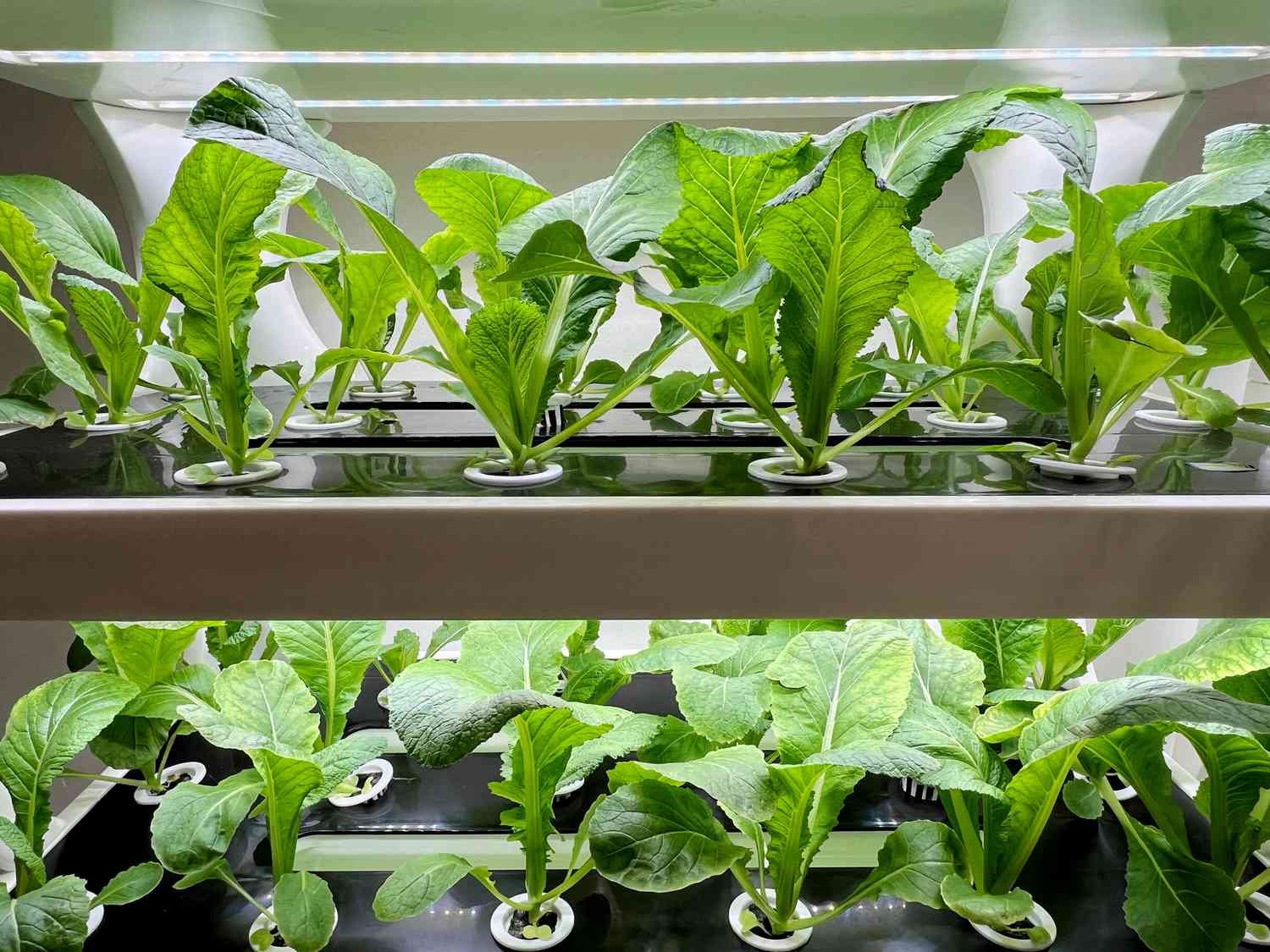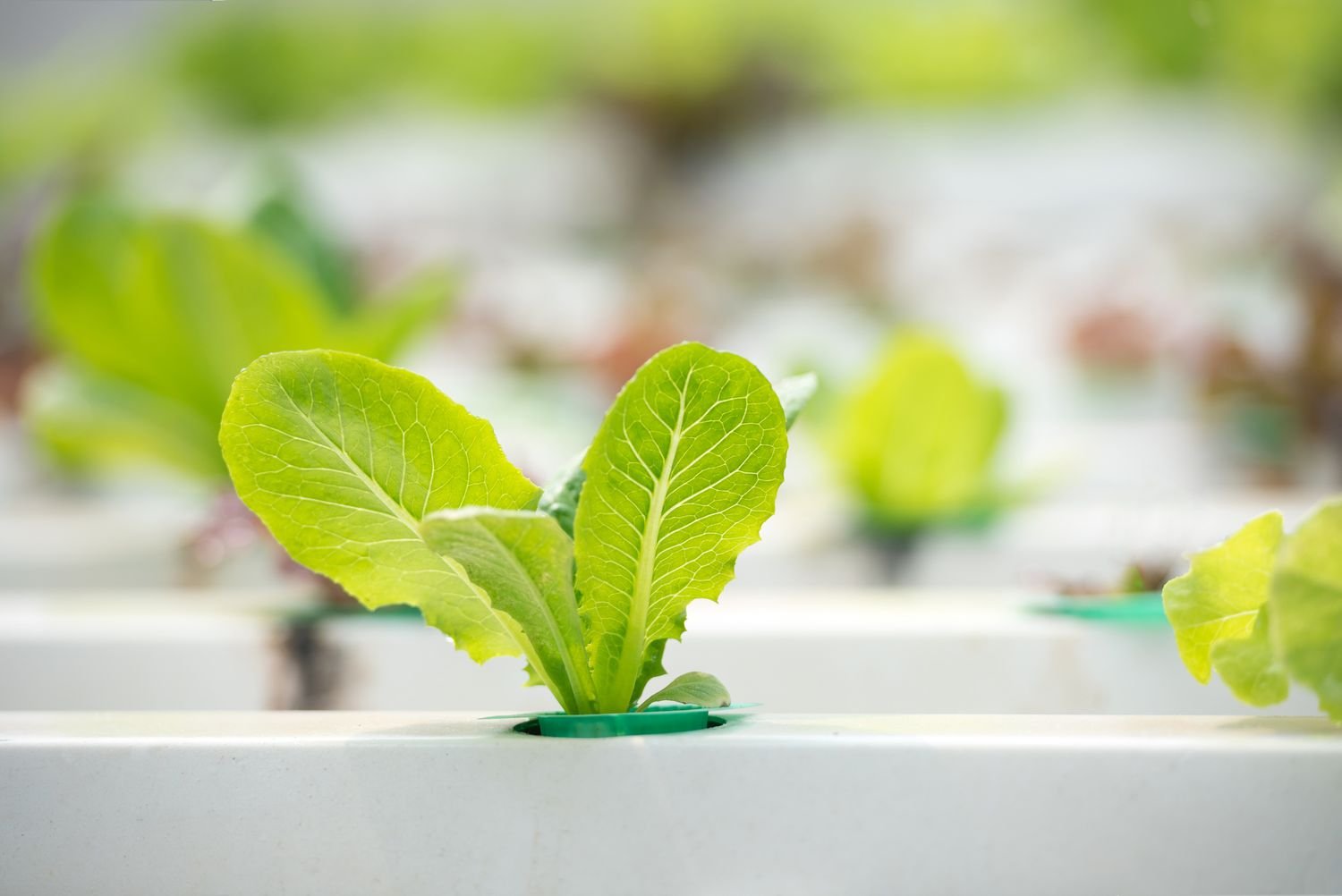

Yes, hydroponics can save water. It uses 90% less water than traditional farming.
This method grows plants without soil, using nutrient-rich water instead. Water conservation is crucial in today’s world. With increasing droughts and water scarcity, finding efficient ways to use water is important. Hydroponics offers a promising solution. By recycling water and using it more efficiently, hydroponics reduces waste.
This method also allows for year-round farming, which can help ensure food security. As we face growing environmental challenges, exploring innovative farming techniques like hydroponics can help us save water and produce food more sustainably. In this blog, we will explore how hydroponics can contribute to water conservation and why it might be the future of farming.
Credit: m.youtube.com
Introduction To Hydroponics
Hydroponics is a modern way to grow plants without soil. This method uses water and nutrients to feed plants directly. It has become popular for its efficiency and potential to save water. In this blog, we will explore how hydroponics can help in water conservation.
What Is Hydroponics?
Hydroponics is a method of growing plants using nutrient-rich water. The roots of the plants are submerged in water, which supplies all the necessary nutrients. This eliminates the need for soil. Hydroponic systems can be used indoors or outdoors. They can grow a variety of plants, including vegetables, herbs, and fruits.
There are different types of hydroponic systems, such as:
- Deep Water Culture (DWC)
- Nutrient Film Technique (NFT)
- Aeroponics
- Drip Systems
Each system has its unique way of delivering nutrients to the plants. The choice of system depends on the type of plants being grown and the available space.
Brief History Of Hydroponics
The concept of growing plants without soil is not new. It dates back to ancient civilizations. The Hanging Gardens of Babylon and the Floating Gardens of China are early examples of hydroponics. In the 1930s, scientists began formal research on hydroponics. Dr. William F. Gericke of the University of California coined the term “hydroponics”. He successfully grew tomatoes and other crops using this method.
During World War II, hydroponics was used to supply fresh vegetables to troops stationed on non-arable islands. In the 21st century, hydroponics has gained popularity in urban farming. It is seen as a solution to water scarcity and food security challenges.
Today, hydroponics is used in various settings, from small home gardens to large commercial farms. Its ability to save water makes it an attractive option for sustainable agriculture.

Credit: melnor.com
Water Usage In Traditional Farming
Water is a critical resource in traditional farming. It supports the growth of crops and sustains livestock. Yet, traditional farming often uses large amounts of water. This can lead to wastage and resource depletion.
Understanding the water usage in traditional farming helps to appreciate the benefits of hydroponics. Let’s explore the common irrigation methods and the water consumption involved.
Irrigation Methods
Farmers use various irrigation methods to water their crops. Some common methods include flood irrigation, sprinkler systems, and drip irrigation. Flood irrigation involves flooding fields with water. This is an old method and can waste a lot of water.
Sprinkler systems mimic rainfall by spraying water over crops. While efficient, they can still lead to water loss. Drip irrigation delivers water directly to the plant roots. It is more efficient but may not be affordable for all farmers.
Water Consumption
Traditional farming consumes a significant amount of water. Crops need consistent watering to grow healthy and produce good yields. In many regions, agriculture accounts for up to 70% of freshwater use. This high demand puts pressure on water resources.
In addition to crop watering, livestock farming also uses water. Animals need water for drinking, cleaning, and cooling. This further increases the overall water consumption in traditional farming. Understanding these factors can highlight the potential benefits of hydroponics in saving water.
Hydroponics And Water Efficiency
Hydroponics offers a promising solution to traditional farming’s water challenges. With increasing concerns about water scarcity, this innovative method shows significant potential. Let’s explore how hydroponics can enhance water efficiency.
Reduced Water Usage
Hydroponic systems use up to 90% less water than traditional soil farming. This is because they deliver water directly to plant roots. There is minimal evaporation and runoff. In traditional farming, much water is lost through soil absorption. Hydroponics eliminates this issue, ensuring plants get only what they need.
Water Recycling
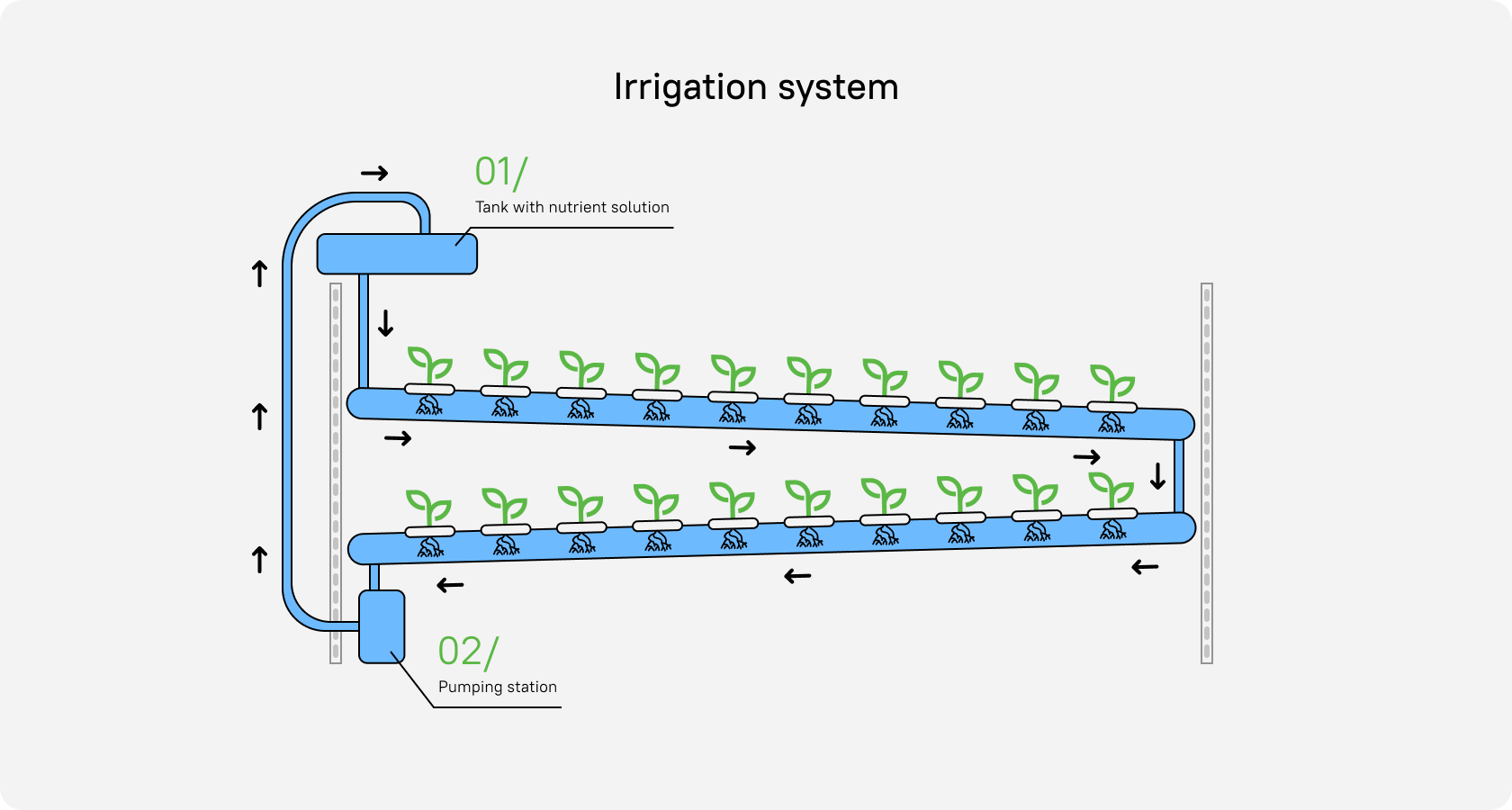
One of the main benefits of hydroponics is water recycling. These systems recirculate water, reducing waste. Used water is filtered and reused in the system. This cycle continues, using the same water multiple times. This method conserves water and maintains nutrient levels for plants.
Here is a comparison of water usage between traditional farming and hydroponics:
| Method | Water Usage (liters per kg of produce) |
|---|---|
| Traditional Farming | 200-300 |
| Hydroponics | 20-30 |
This table shows the efficiency of hydroponics in conserving water. The difference is clear and significant.
Overall, hydroponics proves to be a sustainable method. It saves water and ensures optimal plant growth.
Credit: ifarm.fi
Types Of Hydroponic Systems
Hydroponics is a method of growing plants without soil. Instead, it uses nutrient-rich water. This system can save water compared to traditional farming. There are different types of hydroponic systems. Each has its own benefits and methods. Let’s explore some of them.
Nutrient Film Technique (nft)
Nutrient Film Technique, or NFT, is a popular hydroponic system. In NFT, plants grow in a shallow stream of nutrient-rich water. This stream flows continuously over the roots. The roots absorb the nutrients directly from the water. This method uses a thin film of water to keep the roots moist. It also allows the roots to get oxygen easily. NFT is great for growing leafy greens like lettuce and herbs.
Deep Water Culture (dwc)
Deep Water Culture, or DWC, is another common hydroponic system. In DWC, plants grow with their roots submerged in nutrient-rich water. The plants float on a raft or are held by a special lid. An air pump supplies oxygen to the roots. This keeps the roots healthy and prevents rot. DWC is suitable for fast-growing plants. Examples include lettuce, spinach, and herbs.
Benefits Of Hydroponics
Hydroponics is a method of growing plants without soil. This technique offers many advantages over traditional farming methods. By using water-based solutions, hydroponics can help conserve resources and increase crop yield. These benefits make it an attractive option for sustainable agriculture.
Conservation Of Resources
One of the main benefits of hydroponics is the conservation of resources. Traditional farming uses a lot of water, but hydroponics uses up to 90% less water. This is because the water in hydroponic systems is recirculated. This means less waste and a more efficient use of water.
Hydroponics also requires less land. Plants can be grown vertically, saving space. This allows for farming in urban areas and other places where land is limited.
Additionally, hydroponics reduces the need for pesticides and herbicides. The controlled environment helps prevent pests and diseases. This leads to healthier plants and less chemical use.
Increased Crop Yield
Hydroponics can increase crop yield significantly. Plants grow faster in a hydroponic system. They have direct access to nutrients and optimal growing conditions.
This method also allows for year-round growing. In traditional farming, crops are limited by seasons. But hydroponic systems can be set up indoors with controlled lighting and temperature. This means plants can be grown anytime, increasing overall yield.
Another advantage is the ability to grow a wider variety of plants. Different plants have different needs. In hydroponics, these needs can be met easily. This results in more diverse and productive farming.
In summary, hydroponics offers many benefits. It conserves resources and increases crop yield. These advantages make it a viable option for sustainable agriculture.
Challenges Of Hydroponics
Hydroponics is a promising method for growing plants using water instead of soil. While it offers many benefits, it also has challenges. These challenges can affect the adoption of hydroponics, especially for beginners.
Initial Setup Costs
The initial setup of a hydroponics system can be expensive. This includes purchasing equipment such as grow lights, pumps, and containers. The cost can be a barrier for many people. It requires a significant investment before seeing any returns.
| Item | Approximate Cost |
|---|---|
| Grow Lights | $50 – $200 |
| Pumps | $20 – $100 |
| Containers | $10 – $50 |
These costs can add up quickly. It is important to budget carefully and plan the expenses.
Technical Knowledge
Hydroponics requires a certain level of technical knowledge. Understanding how to balance nutrients, control pH levels, and manage water quality is essential. This can be overwhelming for beginners. Learning the technical aspects is crucial for a successful hydroponic system.
- Balancing nutrients
- Controlling pH levels
- Managing water quality
Without proper knowledge, plants may not grow well. This can discourage new growers. Investing time in learning and gaining experience is vital for long-term success.
Comparative Case Studies
Hydroponics is a modern farming method that can save water. But how effective is it in different settings? Let’s explore case studies comparing urban and rural hydroponic farms. These examples will help us understand the impact on water conservation.
Urban Hydroponic Farms
Urban hydroponic farms are becoming popular. They use less space and water compared to traditional farming. Let’s look at a few examples:
| City | Farm Name | Water Usage (gallons/year) | Water Savings |
|---|---|---|---|
| New York | Gotham Greens | 500,000 | 60% less than traditional farms |
| San Francisco | Plenty | 400,000 | 50% less than traditional farms |
Gotham Greens in New York saves 60% water. Plenty in San Francisco saves 50%. These urban farms show significant water savings.
Rural Hydroponic Implementations
Rural areas also benefit from hydroponics. These farms often face water shortages. Hydroponics can help. Here are some examples:
- Farm One: Located in Arizona. Saves 70% water.
- Farm Two: Located in Texas. Saves 65% water.
In Arizona, one farm saves 70% water. In Texas, another farm saves 65%. These savings help farmers in dry areas. Hydroponics proves useful in both urban and rural settings.
Water conservation is crucial. Hydroponics shows promise. Both urban and rural examples highlight the benefits. This method can help save water globally.
Future Of Hydroponics In Agriculture
The future of hydroponics in agriculture holds great promise. With the world’s population increasing, the need for sustainable farming methods is urgent. Hydroponics offers a solution by using less water and space. Farmers can grow crops year-round, even in harsh climates. This method also reduces the need for pesticides. Let’s explore how innovative technologies and global adoption are shaping this future.
Innovative Technologies
New technologies are making hydroponics more efficient. LED grow lights provide the right spectrum for plant growth. These lights use less energy. Automated systems control water and nutrient delivery. They ensure plants get what they need, when they need it. Sensors monitor conditions in real-time. This data helps farmers make better decisions. These innovations reduce waste and increase yields.
Global Adoption
Hydroponics is gaining popularity worldwide. Urban areas benefit greatly from this method. Rooftop gardens and vertical farms are common in cities. These farms bring fresh produce closer to consumers. Developing countries also see the benefits. Hydroponics can thrive in areas with poor soil. It can help combat food insecurity. Governments and organizations are investing in hydroponic projects. They aim to make farming more sustainable.
Conclusion
Hydroponics can help save water significantly. This method uses less water than traditional farming. It also provides consistent yields. It is eco-friendly and promotes sustainable agriculture. Many farmers see positive results. Hydroponics can be a viable solution for water conservation.
It is worth considering for future farming practices. This approach can benefit both the environment and the economy. Thus, hydroponics stands as a promising method to address water scarcity issues.