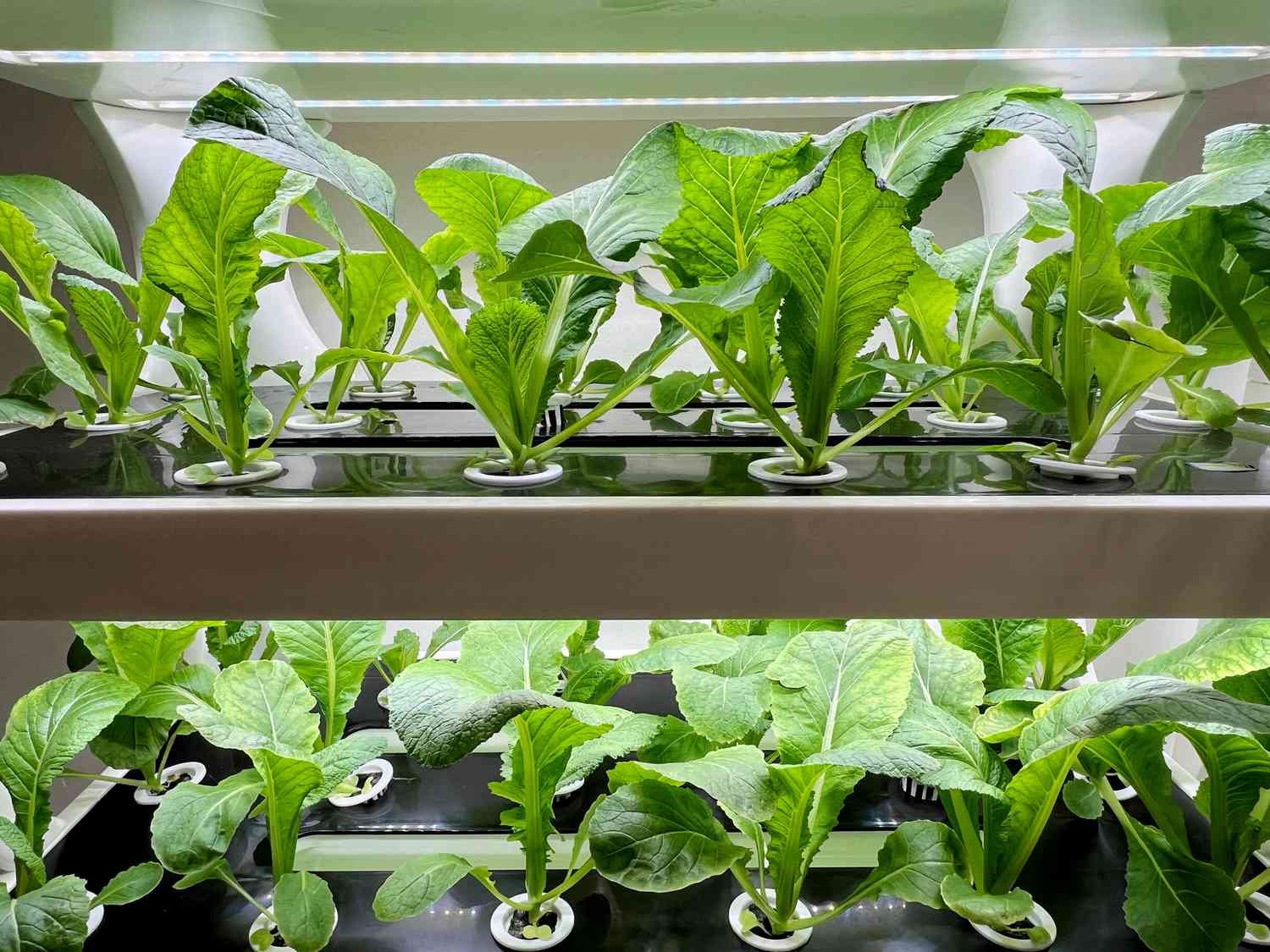

Yes, flowers can bloom indoors. With the right conditions, many types of flowers thrive inside.
Having indoor flowers can brighten up any space. They add color, fragrance, and a touch of nature. But many people wonder if it’s possible to grow and bloom flowers indoors. The answer lies in understanding the needs of the plants.
Light, water, temperature, and soil play crucial roles. Indoor gardening requires attention to these details. It can be rewarding, with beautiful blooms as the result. Whether you have a small apartment or a large house, there’s a way to enjoy flowering plants inside. In this blog, we will explore how to make indoor flowers bloom and flourish. Get ready to bring the beauty of nature into your home!
Benefits Of Indoor Flowers
Indoor flowers offer a range of benefits that can improve both your living space and your well-being. They are not just beautiful additions to your home but also serve practical purposes. Let’s explore some of these benefits in detail.
Air Quality Improvement
Indoor flowers can significantly improve air quality. They absorb carbon dioxide and release oxygen, which helps to purify the air. This process can make your indoor environment healthier and fresher.
Some flowers, like the Peace Lily and Chrysanthemum, are known for their air-purifying qualities. They can remove harmful toxins such as formaldehyde and benzene from the air.
Here’s a table showing some air-purifying flowers and the toxins they remove:
| Flower | Toxins Removed |
|---|---|
| Peace Lily | Formaldehyde, Benzene, Trichloroethylene |
| Chrysanthemum | Benzene, Formaldehyde, Xylene |
| Gerbera Daisy | Benzene, Trichloroethylene |
Aesthetic Appeal
Indoor flowers add a touch of nature to your living space. They bring color, texture, and vibrancy to any room.
Whether you choose a single potted plant or a variety of flowers, they can enhance the aesthetic appeal of your home. They can make a room look more inviting and cheerful.
Consider the following ways to incorporate flowers into your home:
- Place a vase of fresh flowers on your dining table.
- Use small potted plants on your windowsill.
- Hang flower baskets in your kitchen.
By adding flowers, you create a more pleasant and welcoming environment.
:max_bytes(150000):strip_icc()/home-organizing-gardening-indoor-foods-you-can-grow-indoors-01b-realsimple-e5055aec380b4aadb0abed061e1b8d2f.jpg)
Credit: www.realsimple.com
Choosing The Right Flowers
Choosing the right flowers for indoor blooming can be a delightful task. Not all flowers thrive indoors. Some need special care, while others are more forgiving. Knowing which flowers are best suited for your environment is key. This guide will help you pick the perfect blooms for your home.
Low Light Varieties
Some flowers do well in low light. These are perfect for rooms with few windows. Peace lilies are a great choice. They need little light and still bloom beautifully. Another good option is the African violet. It thrives even in low light conditions. These flowers bring life to darker corners of your home.
Temperature Tolerant Plants
Temperature can affect how well flowers grow indoors. Some plants handle temperature changes better than others. The spider plant is one such plant. It can tolerate varying temperatures and still bloom well. Another good choice is the geranium. It can handle both warm and cool indoor climates. These temperature-tolerant plants are perfect for homes with fluctuating temperatures.
Essential Care Tips
Indoor flowers can add beauty and freshness to any space. But growing flowers indoors requires proper care. Here are some essential tips to ensure your indoor flowers thrive.
Watering Guidelines
Watering is crucial for indoor flowers. Check the soil before watering. If the top inch feels dry, it’s time to water. Always use room-temperature water. Water the soil directly. Avoid getting the leaves wet to prevent mold.
Ensure good drainage. Use pots with drainage holes. Empty the saucer after watering. Overwatering can lead to root rot. Under-watering can cause wilting. Find a balance for your specific flowers.
Feeding And Fertilizing
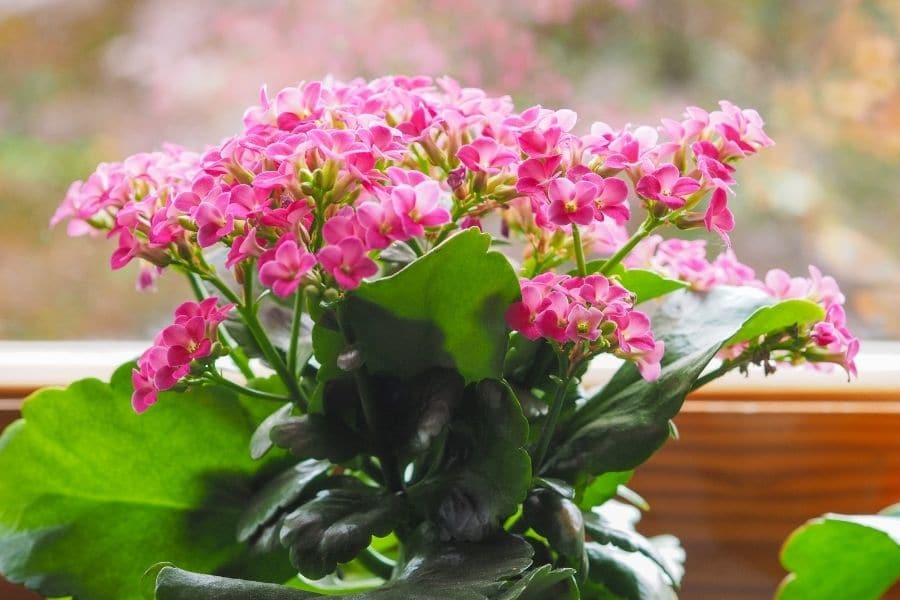
Indoor flowers need nutrients. Use a balanced liquid fertilizer. Fertilize every two weeks during growing season. Reduce feeding in winter. Too much fertilizer can harm your plants. Follow the instructions on the fertilizer package.
Use organic options if possible. Compost tea and fish emulsion work well. These provide necessary nutrients without chemicals. Keep an eye on your plants. If they look unhealthy, adjust your feeding routine.
Credit: jayscotts.com
Optimal Lighting Conditions
Indoor gardening can be a delightful hobby. But it requires the right conditions. Optimal lighting conditions are crucial for indoor flowers to bloom. Proper lighting ensures flowers receive the energy they need. Let’s explore the best lighting sources for your indoor garden.
Natural Light Sources
Natural light is ideal for indoor plants. South-facing windows provide the most sunlight. They capture the sun’s rays for the longest periods. East and west-facing windows are good too. They offer moderate sunlight. But avoid placing flowers near north-facing windows. These windows get the least light. Window sills are great spots for indoor plants. They offer direct sunlight most of the day.
Artificial Light Solutions
Sometimes, natural light is not enough. This is true in homes with limited sunlight. Artificial lights can help in these cases. LED grow lights are popular. They are energy-efficient and long-lasting. Fluorescent lights are another option. They are cheaper but less powerful. Position lights about 6 inches above the plants. This mimics natural sunlight. Rotate plants regularly for even light exposure.
Common Challenges
Growing flowers indoors presents challenges such as limited sunlight and varying humidity levels. Ensuring proper care and choosing the right plants can help overcome these issues.
Growing flowers indoors can be both rewarding and challenging. While the controlled environment can help plants thrive, certain issues are inevitable. Let’s explore the common challenges and how to tackle them.Pest Control
Indoor gardens are not immune to pests. Common pests include:- Aphids
- Spider mites
- Fungus gnats
- Inspect plants regularly.
- Use neem oil or insecticidal soap.
- Introduce beneficial insects like ladybugs.
Preventing Mold And Mildew
Mold and mildew thrive in humid conditions. They can damage your plants and create an unhealthy indoor environment. To prevent mold and mildew:- Ensure good air circulation. Use fans if necessary.
- Water plants in the morning. This allows the soil to dry out during the day.
- Avoid overwatering. Check the soil before adding water.
- Keep humidity levels in check. Use a dehumidifier if needed.
| Plant Type | Watering Schedule | Humidity Preference |
|---|---|---|
| Orchids | Once a week | High |
| Succulents | Once every 2 weeks | Low |
| Ferns | Twice a week | Medium |
Credit: www.reddit.com
Seasonal Considerations
Can flowers bloom indoors? Yes, but they need seasonal care. Each season affects indoor plants differently. To keep flowers healthy, adjust their care routines accordingly. Winter and summer require specific attention.
Winter Care
Winter brings shorter days and less sunlight. Flowers need adequate light. Place them near windows to maximize light exposure. Clean the windows to let in more light.
Temperature control is also crucial. Keep the indoor temperature stable. Avoid placing flowers near heaters or drafts. This prevents stress on the plants.
Humidity levels drop in winter. Use a humidifier to maintain moisture. Mist the flowers if a humidifier isn’t available. Water the plants less frequently. Overwatering can cause root rot.
Summer Adjustments
Summer offers more sunlight. Too much direct sunlight can damage flowers. Use curtains to filter the light. Rotate the pots to ensure even light exposure.
High temperatures can dry out the soil. Check the soil moisture regularly. Water the plants more often. Ensure good air circulation to prevent mold.
Summer often brings pests. Inspect the plants regularly. Remove any pests you find. Use natural insecticides if necessary.
Creative Indoor Flower Arrangements
Flowers can brighten any indoor space, adding a touch of nature. Creative indoor flower arrangements can transform your home into a lively oasis. They don’t just enhance aesthetics; they also improve air quality. Let’s explore some innovative ways to display your flowers indoors.
Vertical Gardens
Vertical gardens are excellent for small spaces. They use walls to display flowers, making them space-efficient. You can create a stunning flower wall with minimal effort. Use planters that attach to the wall. Arrange them in a pattern for visual appeal. Choose flowers that thrive in vertical settings like orchids or ferns. They add color and life to any room.
Another option is a living wall. These can be custom-made to fit your space. They offer a unique and vibrant backdrop. Living walls require some maintenance. Regular watering and pruning keep them looking fresh. They are worth the effort for the beauty they bring.
Hanging Planters
Hanging planters are another creative way to display flowers. They add a whimsical touch to any room. You can hang them from the ceiling or window frames. They are perfect for trailing plants like ivy or philodendrons. These plants cascade beautifully from their planters.
Use different heights for a dynamic look. Mix and match planter styles for variety. Ceramic, glass, and macrame planters offer different aesthetics. Hanging planters can be a focal point in your decor. They save floor and shelf space, making them ideal for small homes.
Long-lasting Blooms
Long-lasting blooms can transform your indoor space into a vibrant oasis. Many wonder if flowers can bloom indoors and, the answer is yes! With proper care, indoor blooms can thrive and last longer than you might expect. Let’s explore how to extend their bloom time and ensure they stay beautiful.
Extending Bloom Time
To extend the bloom time of your indoor flowers, start with the right plants. Some flowers are more suited for indoor growth. Here are a few tips:
- Choose flowering plants like orchids, African violets, and peace lilies.
- Place them in an area with indirect sunlight.
- Maintain a consistent room temperature of 65-75°F.
- Water your plants regularly, but avoid overwatering.
- Use a well-draining potting mix.
Best Practices For Longevity
Following certain best practices can help your indoor flowers last longer. Here are some guidelines:
- Regularly remove dead or wilted blooms.
- Fertilize your plants every 4-6 weeks.
- Ensure proper air circulation around the plants.
- Avoid placing plants near drafts or heating vents.
- Use a humidity tray to maintain moisture levels.
Let’s break down some key tips:
| Tip | Details |
|---|---|
| Sunlight | Indirect sunlight is best to prevent burns. |
| Watering | Water when the top inch of soil is dry. |
| Fertilizing | Use a balanced, water-soluble fertilizer. |
| Pruning | Remove dead blooms to encourage new growth. |
By following these tips, you can enjoy long-lasting blooms indoors. Your flowers will remain healthy and vibrant, adding beauty to your home.
Conclusion
Yes, flowers can bloom indoors with proper care and conditions. Make sure they receive enough light and water. Choose the right indoor plants for your space. Pay attention to their needs for optimal growth. Indoor flowers can brighten up your home.
They also improve the air quality. Try growing some in your living area. Enjoy the beauty and benefits they bring. Happy gardening!