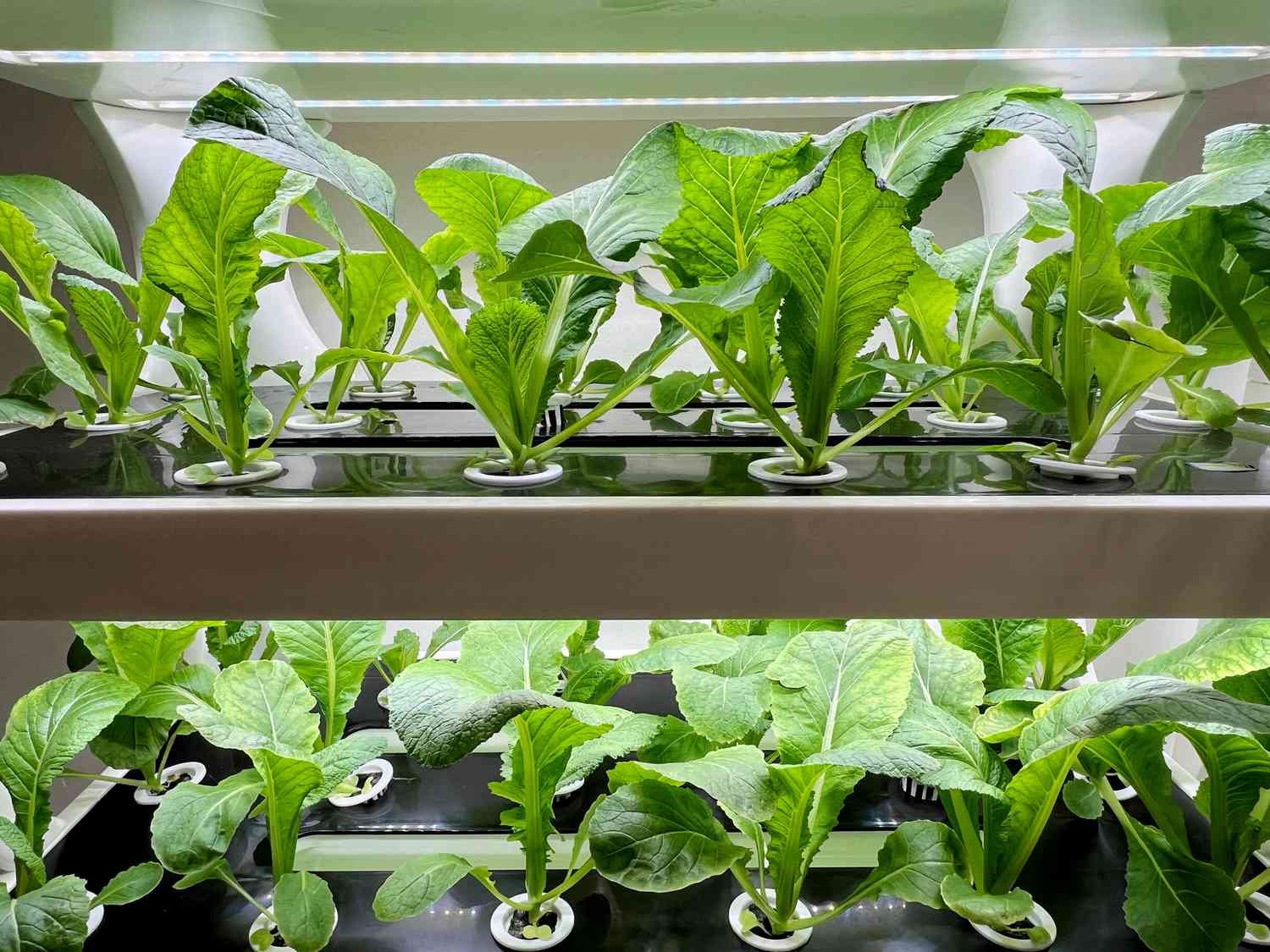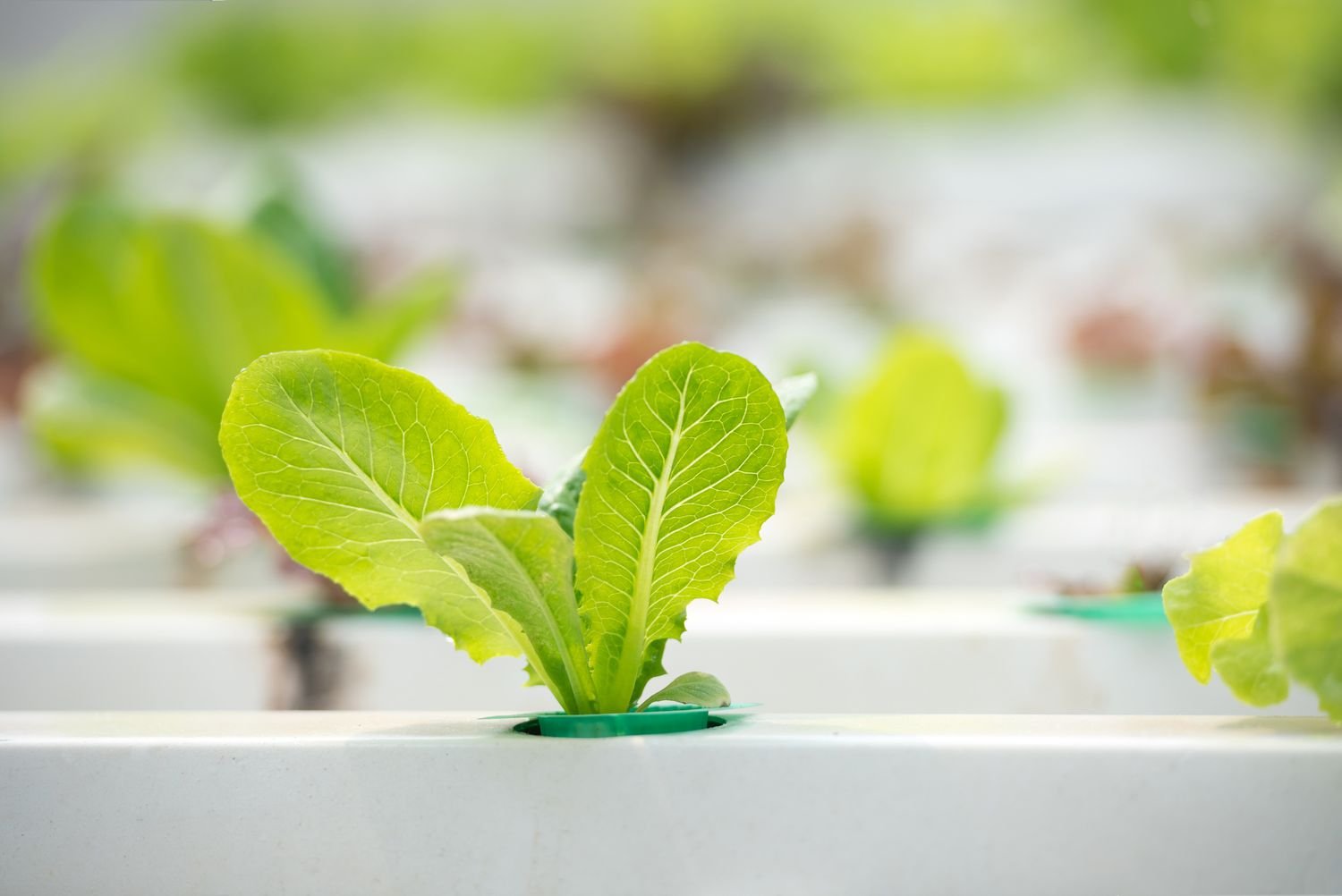

Hydroponics is a method of growing plants without soil. It uses water-based solutions with essential nutrients.
So, what are the best fruits for hydroponics? Hydroponics offers a unique way to grow fruits indoors or in small spaces. This method ensures faster growth and higher yields. But not all fruits thrive in this system. Some fruits adapt better to hydroponics, providing delicious and nutritious results.
Understanding which fruits excel in hydroponics can save you time and effort. It can also maximize your harvest. In this guide, we’ll explore the top fruits for hydroponic systems. You’ll discover why these fruits are ideal and how to care for them. Ready to grow fresh, juicy fruits at home? Let’s dive in and find out the best fruits for hydroponics.
Introduction To Hydroponics
Hydroponics is a method of growing plants without soil. Instead, it uses a nutrient-rich water solution. This technique allows for faster growth and higher yields. It’s popular among urban gardeners and commercial farmers alike.
Basics Of Hydroponic Systems
Hydroponic systems come in various types. The most common are:
- Nutrient Film Technique (NFT): This system uses a thin film of nutrient solution. The roots are exposed to air and water, promoting rapid growth.
- Deep Water Culture (DWC): Plants are suspended in a nutrient-rich water solution. Air stones provide oxygen to the roots.
- Ebb and Flow: This system periodically floods and drains the grow bed. It ensures roots get nutrients, oxygen, and moisture.
- Drip System: Nutrient solution drips slowly onto the base of each plant. It’s ideal for larger plants with bigger root systems.
- Wick System: This passive system uses a wick to draw nutrients to the plants. It’s simple and low-maintenance.
Benefits Of Growing Fruits Hydroponically
There are many benefits to growing fruits hydroponically:
- Faster Growth Rates: Hydroponic plants grow up to 50% faster than soil-grown plants.
- Higher Yields: Hydroponic systems can produce more fruits per plant.
- Space Efficiency: Hydroponics allows for vertical gardening, saving space.
- Water Conservation: These systems use less water compared to traditional farming.
- Pest and Disease Control: Without soil, many pests and diseases are eliminated.
These advantages make hydroponics an excellent choice for fruit cultivation.
Credit: blog.1000bulbs.com
Strawberries
Strawberries are one of the best fruits for hydroponics. They are easy to grow and can produce a bountiful harvest. Hydroponic systems provide strawberries with the ideal conditions to thrive. This method allows you to control the environment and nutrient levels. Let’s dive into the details of growing strawberries hydroponically.
Ideal Conditions
Strawberries need specific conditions to grow well in a hydroponic system. They thrive in temperatures between 60°F and 80°F. Ensure the humidity level stays around 70%. Strawberries also require 12-16 hours of light daily. Use LED grow lights for consistent light. Keep the pH level between 5.8 and 6.2 for best results.
Nutrient Requirements
Strawberries need balanced nutrients to grow healthy and strong. Here is a table outlining the essential nutrients for strawberries:
| Macro Nutrients | Micro Nutrients |
|---|---|
| Nitrogen (N) | Iron (Fe) |
| Phosphorus (P) | Manganese (Mn) |
| Potassium (K) | Zinc (Zn) |
| Calcium (Ca) | Copper (Cu) |
| Magnesium (Mg) | Boron (B) |
Use a hydroponic nutrient solution designed for fruiting plants. Ensure your nutrient solution has the right balance of these elements. Regularly check and adjust the nutrient solution to maintain optimal growth.
Growing strawberries hydroponically is rewarding. With the right conditions and nutrients, you can enjoy fresh strawberries year-round.
Tomatoes
Tomatoes are one of the most popular fruits for hydroponic gardening. They are versatile, delicious, and can thrive in a controlled environment. With the right care, hydroponic tomatoes can produce high yields and rich flavors. Here is a guide to help you grow the best tomatoes hydroponically.
Varieties Suitable For Hydroponics
Not all tomato varieties are ideal for hydroponics. Here are some that work well:
- Cherry Tomatoes: These small, sweet tomatoes grow quickly and are easy to manage.
- Beefsteak Tomatoes: Known for their large size and juicy texture, they require more space but are very rewarding.
- Roma Tomatoes: These are perfect for sauces and pastes, with their firm flesh and low water content.
- Heirloom Tomatoes: These offer unique flavors and colors, ideal for diverse culinary uses.
Growth And Maintenance Tips
To achieve the best results, follow these hydroponic tomato growing tips:
- Light: Provide 14-18 hours of light daily. Use LED grow lights for optimal results.
- Nutrients: Use a balanced hydroponic nutrient solution. Ensure it contains calcium and magnesium.
- Temperature: Maintain a temperature range of 65-75°F (18-24°C). Avoid drastic temperature changes.
- pH Level: Keep the pH between 5.5 and 6.5. Regularly check and adjust as necessary.
- Pruning: Regularly prune to remove suckers and dead leaves. This promotes better air circulation and fruit production.
- Support: Use trellises or stakes to support the plants. This helps them grow upright and prevents breakage.
- Pest Control: Monitor for pests like aphids and spider mites. Use organic pest control methods if needed.
Credit: blog.1000bulbs.com
Blueberries
Blueberries are a delicious and healthy fruit, known for their sweet taste and numerous health benefits. They are rich in antioxidants and vitamins, making them a popular choice among health-conscious consumers. Growing blueberries in a hydroponic system can be rewarding, but it requires careful attention to their specific needs.
Optimal Growing Conditions
Blueberries thrive in acidic conditions. The ideal pH level for growing blueberries is between 4.5 and 5.5. Regularly monitor and adjust the pH level to ensure the plants receive the right environment.
They also need plenty of light. Provide at least 12-16 hours of light per day. Use LED grow lights to supply the necessary light spectrum.
Blueberries prefer cooler temperatures. Maintain a temperature range between 65-75°F (18-24°C) during the day and slightly cooler at night.
Proper humidity levels are crucial. Keep the humidity around 50-70% to prevent mold and mildew.
Common Challenges
One common challenge is maintaining the correct pH level. Blueberries are sensitive to pH fluctuations. Regularly test the water and make adjustments as needed.
Another issue is nutrient deficiencies. Blueberries require specific nutrients, including high levels of iron and magnesium. Use a nutrient solution designed for acid-loving plants.
Pest control can also be a problem. Spider mites and aphids are common pests that can damage blueberry plants. Use natural pest control methods like neem oil to keep pests at bay.
Blueberries have shallow roots. Ensure the growing medium supports proper root development. Use a mixture of coco coir and perlite for optimal results.
Cucumbers
Cucumbers thrive in hydroponic systems, making them one of the best fruits for this method. They grow quickly and produce high yields.
Cucumbers are a popular choice for hydroponic gardening. They grow fast and yield well in a controlled environment. This makes them ideal for both beginners and experienced growers. Cucumbers thrive in nutrient-rich solutions, producing fresh and crisp fruits.Best Practices For Hydroponic Cucumbers
Cucumbers need plenty of light. Ensure they receive 12-14 hours of light daily. Use grow lights if natural light is limited. Keep the temperature between 70-80°F during the day. At night, maintain it around 60-70°F. Good air circulation is essential. Use fans to keep the air moving. This prevents mold and mildew. Choose a nutrient solution rich in potassium and nitrogen. These nutrients promote healthy growth. Check and adjust the pH level regularly. Keep it between 5.5 and 6.0. This range ensures nutrient absorption. Regularly prune the plants. Remove any yellow or dead leaves. This helps the plant focus on fruit production.Pest And Disease Management
Cucumbers in hydroponics can face pests and diseases. Common pests include spider mites and aphids. Inspect plants regularly. Look for signs of pests. Use insecticidal soap or neem oil to control them. Keep the growing area clean. Remove any plant debris. This reduces the risk of pests. Diseases like powdery mildew can affect cucumbers. Ensure good air circulation to prevent it. Use a fungicide if needed. Monitor humidity levels. Keep them between 50-70%. High humidity promotes fungal growth. Regularly check the roots for rot. Healthy roots are white and firm. Brown or mushy roots indicate problems. Take action immediately if you notice any issues. “`
Credit: matsuoutdoorsmanshow.com
Peppers
Peppers are one of the best fruits to grow using hydroponics. They thrive in water-based systems, providing abundant yields. Growing peppers hydroponically allows for better control over nutrients and environment. This results in healthier plants and tastier fruits.
Hydroponic Pepper Varieties
Several pepper varieties grow well in hydroponic systems. Bell peppers are popular. They come in red, yellow, and green. Jalapeños also do well. They add a spicy touch to dishes. Habanero peppers are another option. They are very hot and flavorful. Sweet banana peppers grow easily. They are mild and great for salads.
Nutrient And Light Needs
Peppers need specific nutrients to thrive in hydroponics. They require nitrogen, phosphorus, and potassium. Magnesium and calcium are also important. These nutrients ensure healthy growth and fruit production. Light is crucial too. Peppers need 14-18 hours of light daily. LED grow lights are ideal. They provide the right spectrum for growth. Ensure proper light distance. This prevents burning the plants.
Watermelons
Growing watermelons in a hydroponic system can be a rewarding experience. These juicy fruits thrive in controlled environments, offering a bountiful harvest. Understanding their space and support requirements, as well as pollination techniques, will help you grow healthy watermelons hydroponically.
Space And Support Requirements
Watermelons need a lot of space to grow. Each plant can spread up to 10 feet wide. In a hydroponic setup, you must ensure there is enough room for the vines to expand.
Providing adequate support is crucial. Use trellises or nets to hold the vines. This prevents them from lying on the ground, which can lead to rot and disease. Trellises should be strong enough to support the weight of the melons.
Watermelons also require ample light. Position the hydroponic system where it will receive at least 8-10 hours of light daily. Use grow lights if natural light is insufficient. This ensures the plants get the energy they need to produce large fruits.
Pollination Techniques
Pollination is a key step in watermelon growth. In nature, bees and other insects do the job. In a hydroponic setup, you might need to assist with pollination.
Use a small brush to transfer pollen from the male flowers to the female flowers. Male flowers have thin stems, while female flowers have a small bulb behind the petals. This bulb will develop into the melon.
Another method is to gently shake the plants. This can help distribute pollen. Ensure you pollinate in the morning, as this is when flowers are most receptive.
Proper pollination ensures a good yield. Without it, the flowers might not develop into fruits. Regularly check the plants and assist with pollination as needed.
Raspberries
Raspberries are a delicious and nutritious fruit. They are rich in vitamins, antioxidants, and fiber. Growing raspberries hydroponically can be rewarding. You get fresh, juicy berries without soil. This method offers control over nutrients and water. It’s also space-efficient and ideal for urban gardening.
Hydroponic System Types
Several hydroponic systems suit raspberry plants. The most common are the nutrient film technique (NFT), deep water culture (DWC), and drip systems. NFT systems use a thin film of nutrient solution. It flows over the plant roots. This provides constant nourishment and oxygen. DWC systems suspend plant roots in nutrient-rich water. It keeps them hydrated and fed. Drip systems deliver nutrient solution directly to the plant roots. This ensures even distribution and minimizes waste.
Harvesting And Yield
Raspberries grown hydroponically can produce several harvests per year. The yield is often higher than soil-grown raspberries. With proper care, each plant can produce up to 1-2 pounds of fruit. Regular pruning and maintenance are essential. This encourages new growth and improves fruit quality. Harvest raspberries when they are firm and fully colored. This ensures the best flavor and nutritional value.
Conclusion
Hydroponics offers a great way to grow fresh fruits year-round. Strawberries, tomatoes, and cucumbers thrive in this system. Their high yield and easy maintenance make them popular choices. Blueberries and melons also perform well with proper care. Experiment with different fruits to find what works best for you.
Enjoy the benefits of homegrown produce. Happy gardening!