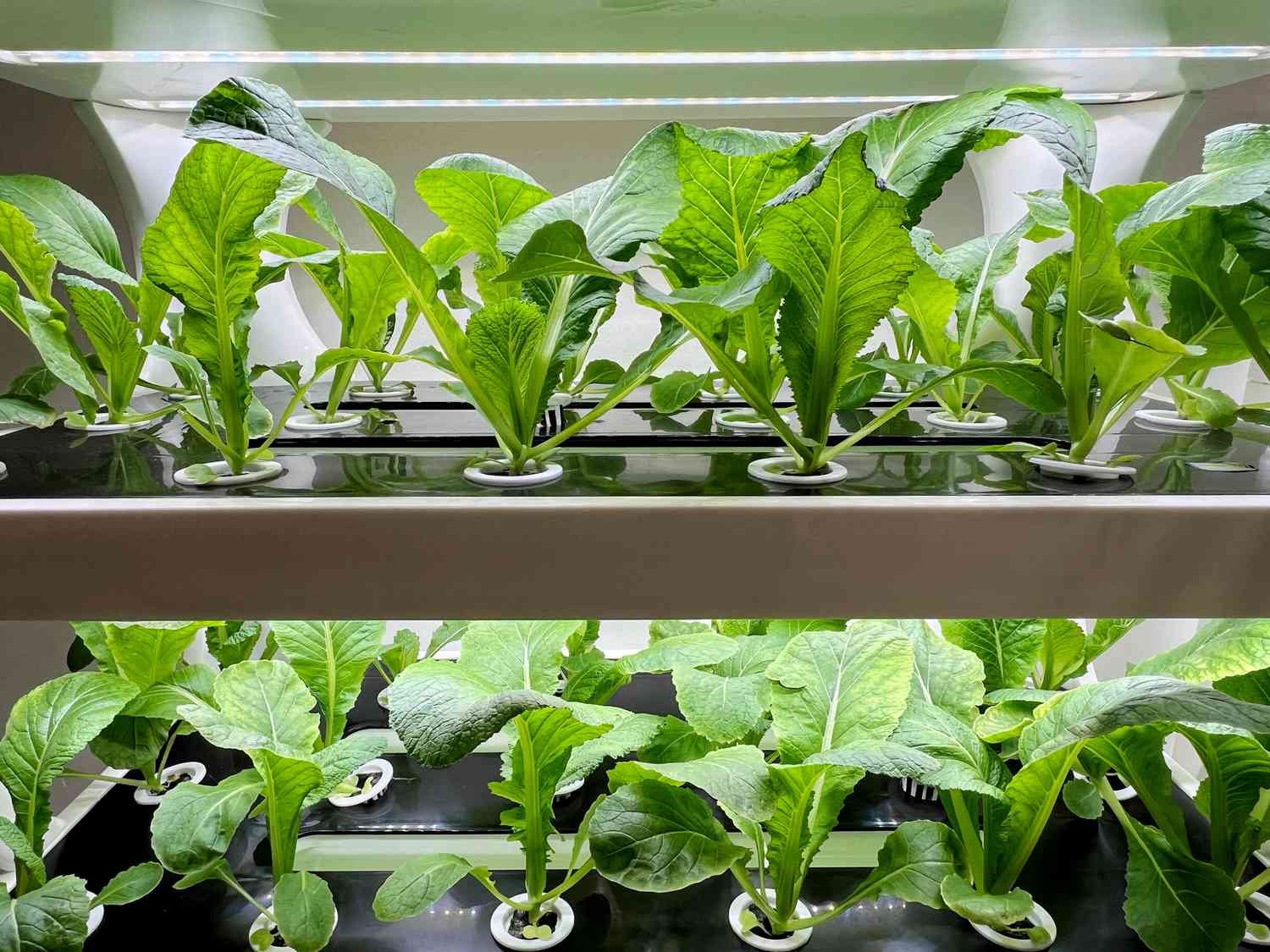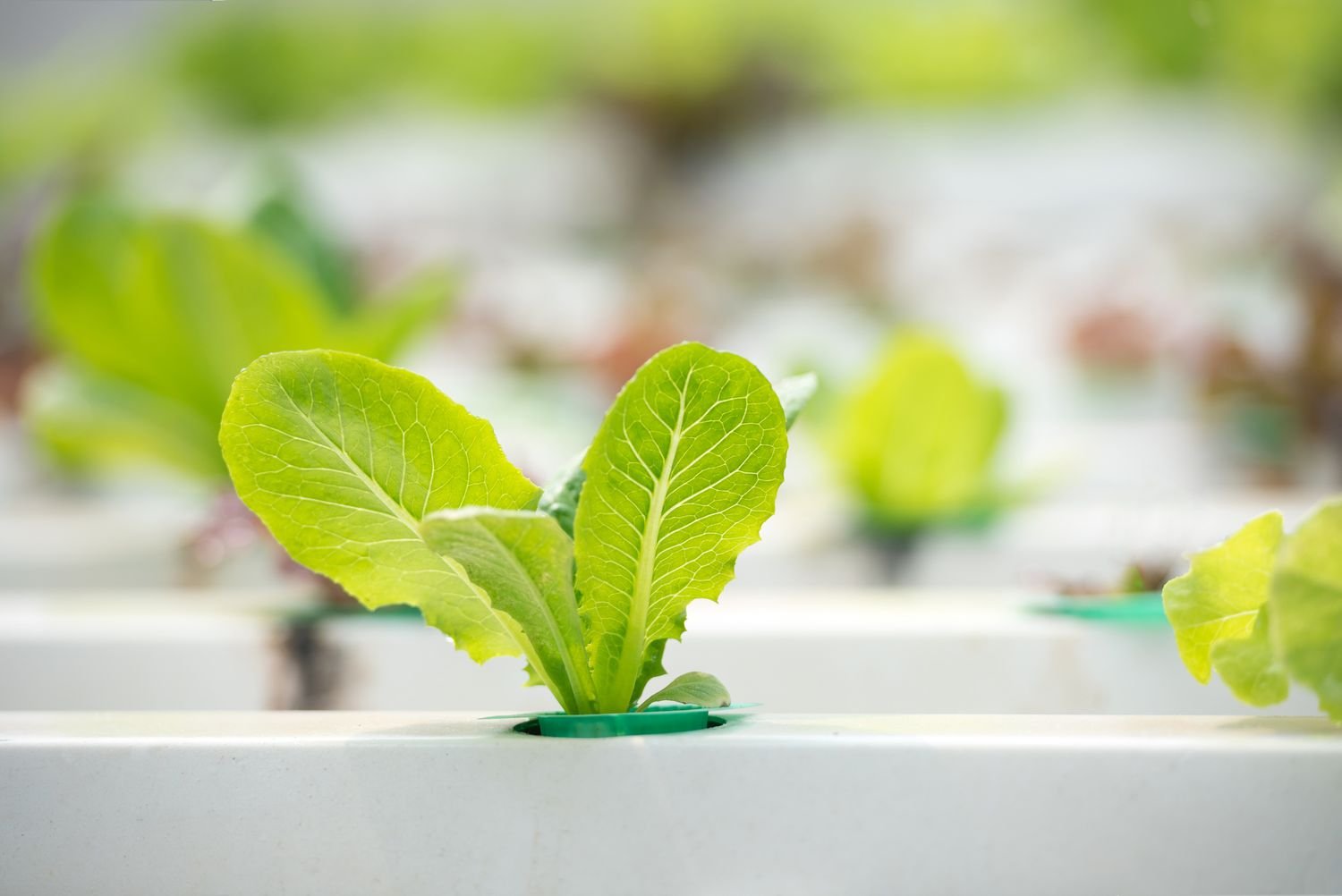

Hydroponic systems are an innovative way to grow plants without soil. They offer efficient, sustainable solutions for gardening.
In this blog post, we will explore the best hydroponic systems available today. These systems have gained popularity due to their ability to produce fresh, healthy crops year-round. Whether you are a beginner or an experienced gardener, understanding the various options can help you choose the right system for your needs.
We’ll look at different types, their benefits, and what makes each one unique. By the end, you will have a clear idea of which hydroponic system suits your gardening goals. Let’s dive into the world of hydroponics and discover the best systems for your home garden.
Credit: www.youtube.com
Introduction To Hydroponics
Explore the best hydroponic systems for growing plants without soil. Discover which setups work well for different needs. Boost your gardening success with top choices like Deep Water Culture and Nutrient Film Technique.
Hydroponics is a method of growing plants without soil. Instead, it uses a nutrient-rich water solution. This technique allows plants to grow faster and healthier. It’s popular for home gardeners and commercial growers alike. Hydroponic systems vary in complexity. Some are simple and suitable for beginners. Others are advanced and used by experts. Each system has its benefits and challenges.History Of Hydroponics
The history of hydroponics dates back to ancient civilizations. The Hanging Gardens of Babylon are an early example. Ancient Egyptian writings also describe growing plants in water. In the 20th century, scientists developed modern hydroponics. The technology advanced during World War II. Soldiers used hydroponics to grow fresh food on remote islands. Today, hydroponics is a popular method worldwide. Both hobbyists and commercial farmers use it.Benefits Of Hydroponic Systems
Hydroponic systems offer many benefits. They use less water than traditional farming. This makes them suitable for arid regions. Plants grown hydroponically often mature faster. They also tend to be healthier. This is because they receive a balanced nutrient supply. Hydroponics can be practiced indoors. This allows for year-round growing. It also reduces the risk of pests and diseases. Another benefit is space efficiency. Hydroponics allows for vertical farming. This maximizes the use of space in urban areas. “`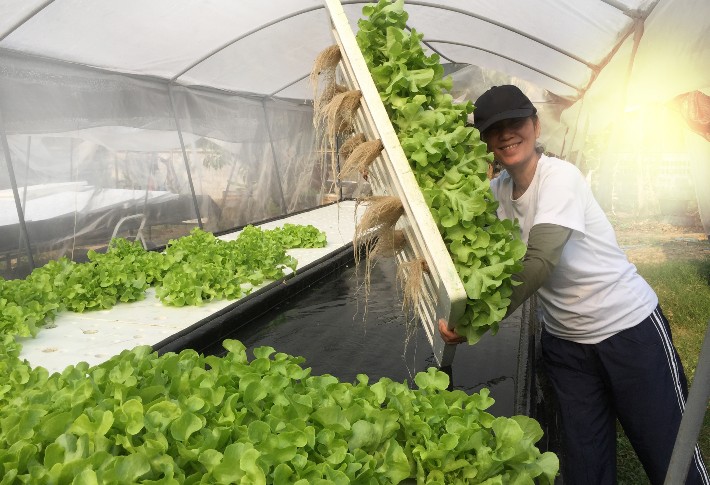
Credit: www.gardengatemagazine.com
Nutrient Film Technique (nft)
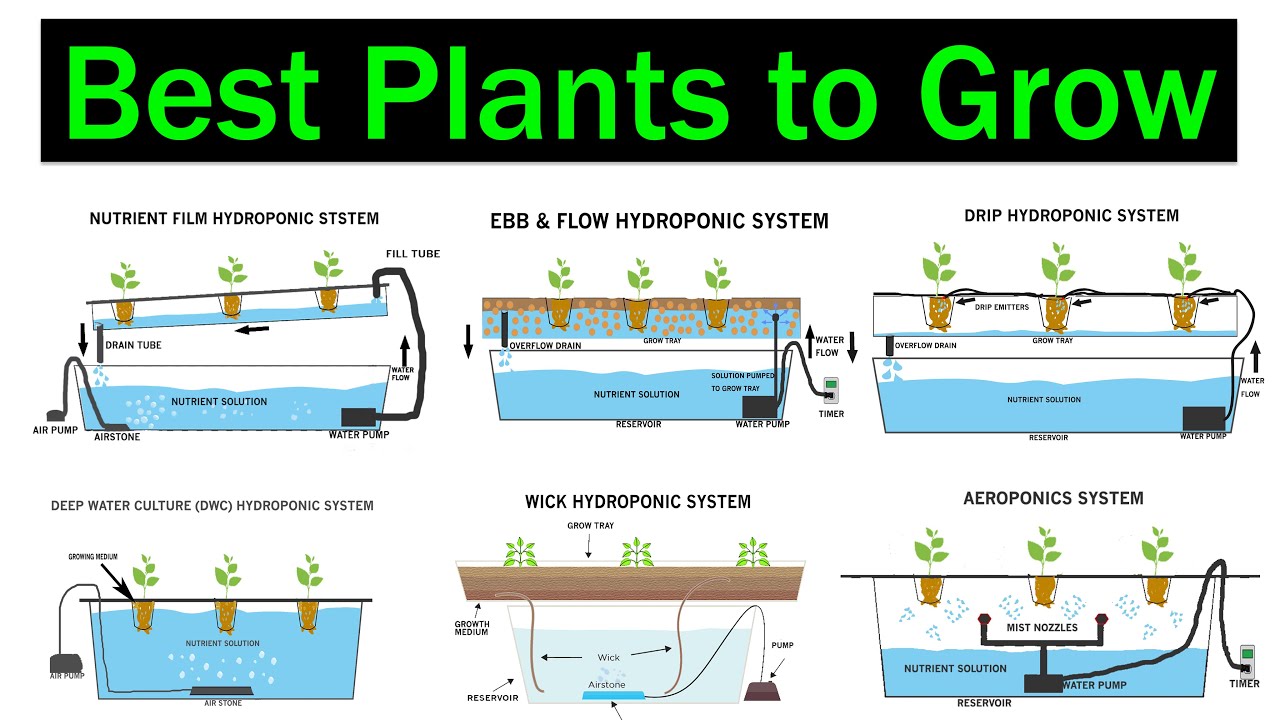
The Nutrient Film Technique (NFT) is popular in hydroponic gardening. It involves a shallow stream of water. This water contains dissolved nutrients. The water flows over the plant roots. Plants get a continuous supply of oxygen and nutrients. This method is efficient and effective.
How Nft Works
In the NFT system, plants are placed in sloped channels. A thin film of nutrient-rich water flows down these channels. The roots absorb the nutrients from the water. The excess water is collected and recirculated. This process ensures plants get what they need. It also reduces water waste.
Advantages Of Nft
NFT systems are highly efficient. They use less water than soil gardening. The recirculating system minimizes waste. Plants receive a constant supply of nutrients. This leads to faster growth and higher yields. The system is also easy to set up and maintain.
Best Plants For Nft
Leafy greens like lettuce and spinach thrive in NFT systems. Herbs such as basil and mint also do well. Strawberries and other small fruiting plants can be grown successfully. Choose plants with shallow roots for best results.
Deep Water Culture (dwc)
Deep Water Culture (DWC) is a simple yet effective hydroponic system. It involves suspending plant roots in a nutrient-rich water solution. This method ensures the roots have constant access to water and nutrients, promoting rapid growth.
How Dwc Works
In DWC, plants grow in net pots filled with a growing medium. The pots are placed in a reservoir filled with nutrient solution. An air pump supplies oxygen to the roots. This prevents root rot and ensures healthy growth. The constant nutrient supply helps plants grow faster and healthier.
Pros And Cons Of Dwc
DWC systems are easy to set up and maintain. They are cost-effective and require few materials. The system provides plants with a constant supply of nutrients and oxygen, leading to faster growth. However, there are some downsides. The water temperature must be monitored closely. Warm water can harm roots. Also, power outages can disrupt the oxygen supply, affecting plant health.
Ideal Crops For Dwc
DWC is perfect for growing leafy greens like lettuce and spinach. Herbs such as basil and cilantro thrive in this system. Fruit-bearing plants like tomatoes and cucumbers can also do well. However, they may need more support due to their size.

Credit: tedsgardens.com
Ebb And Flow System
The Ebb and Flow system is one of the most popular hydroponic systems. It is also known as the flood and drain system. This method is loved for its simplicity and effectiveness. The system works by flooding the grow tray with nutrient solution. Then, it drains away, allowing the roots to breathe. This cycle repeats several times a day.
Mechanism Of Ebb And Flow
The Ebb and Flow system uses a pump to flood the grow tray. The tray holds the plants. A timer controls the pump. The timer turns the pump on at set intervals. This fills the tray with nutrient solution. The solution stays in the tray for a set period. Then, the pump shuts off. The solution drains back into the reservoir. This allows the roots to get oxygen.
Benefits And Drawbacks
The Ebb and Flow system has several benefits. It is simple to set up and use. It is also affordable. The system is versatile and can grow many types of plants. The regular flooding gives the roots plenty of nutrients and oxygen.
There are some drawbacks. The system relies on the pump and timer. If they fail, the plants can suffer. The roots may dry out or get waterlogged. The system also needs regular cleaning. Algae and salt buildup can be a problem.
Suitable Plants
The Ebb and Flow system is great for many plants. Leafy greens like lettuce and spinach grow well. Herbs like basil and mint also thrive. You can also grow larger plants. Tomatoes and peppers do well in this system. Even flowers like orchids and lilies can flourish.
Drip System
A drip system is a top choice for hydroponics. It delivers nutrients directly to plant roots, ensuring efficient growth. Easy to use and set up, it’s perfect for beginners.
The drip system is popular among hydroponic gardeners. It delivers nutrients directly to the plant roots. This method is highly efficient and easy to manage.Operation Of Drip Systems
Drip systems work by using a timer. The timer controls a pump. The pump sends nutrient-rich water to the plants. This water drips slowly onto the roots. Excess water drains back into the reservoir. This cycle ensures constant nutrient supply.Pros And Cons
There are many advantages to using a drip system. It uses water efficiently. It is also easy to set up and maintain. It works well with different plant types. But there are some downsides. The system can clog. Regular maintenance is necessary. The initial setup cost can be high.Best Plants For Drip Systems
Many plants thrive in drip systems. Lettuce and spinach grow well. Strawberries and tomatoes are good choices too. Herbs like basil and mint also do well. The drip system supports a variety of crops. “`Aeroponics
Hydroponic systems have gained popularity among gardeners and farmers. Aeroponics stands out due to its unique approach. This technique involves growing plants with their roots suspended in the air. Let’s dive deeper into how this system works and its benefits.
How Aeroponics Functions
Aeroponics uses a mist environment to nourish plants. The roots hang in the air inside a container. Nutrient-rich mist is sprayed onto the roots at regular intervals.
The system includes:
- A reservoir for nutrient solution
- Misting devices
- A timer to control misting
- A support structure for plants
Plants get oxygen directly from the air. This promotes faster growth. The mist provides nutrients and water.
Advantages Of Aeroponics
Aeroponics offers several key benefits:
- Increased Growth Rate: Plants get more oxygen, leading to quicker growth.
- Water Efficiency: Uses less water than traditional methods.
- Space Saving: Ideal for small spaces since roots don’t need soil.
- Healthy Roots: Reduced risk of disease, as roots are not in soil.
Best Crops For Aeroponics
Some plants thrive better in aeroponic systems. These include:
- Lettuce: Grows quickly and is easy to manage.
- Herbs: Basil, mint, and parsley do well.
- Tomatoes: High yields due to optimal root oxygenation.
- Strawberries: Benefit from the clean environment.
These crops benefit from the efficient nutrient delivery system. Experiment with different plants to see which work best for you.
Wick System
The Wick System is a popular choice for beginners in hydroponics. It’s simple, cost-effective, and doesn’t require pumps or electricity. This system uses a wick to deliver nutrients to plants.
How Wick Systems Work
Wick systems are easy to set up. They involve a container filled with a growing medium, like perlite or vermiculite. The wick sits in this medium and extends into a nutrient solution below. The wick draws the nutrient solution up to the plant roots, using capillary action.
Plants get a steady supply of nutrients. This ensures they grow healthy. Wick systems are passive, needing no electricity. This makes them reliable and low-maintenance.
Benefits And Limitations
Wick systems are low-cost and easy to maintain. They are ideal for small spaces. These systems don’t use pumps, so they are quiet and energy-efficient.
But there are limitations. Wick systems may not supply enough nutrients for larger plants. They are best for small or medium plants. The growing medium can also dry out quickly. Regular monitoring is needed to ensure plants remain hydrated.
Suitable Plants
Wick systems work well for herbs and small vegetables. Lettuce, basil, and mint thrive in this setup. Avoid using wick systems for large plants like tomatoes. These plants need more nutrients and water than a wick can provide.
Small flowers can also grow well in wick systems. Marigolds and pansies are good choices. They require less care and can adapt to the system easily.
Choosing The Right System
When selecting a hydroponic system, it’s crucial to consider various factors. Every garden is unique, and the system you choose should match your specific needs. Whether you’re a beginner or a seasoned gardener, understanding what to look for can make a significant difference.
Factors To Consider
Before you decide on a hydroponic system, evaluate your specific requirements. Here are some essential factors:
- Type of plants: Different plants thrive in different systems.
- Climate: Your local climate affects the system’s performance.
- Budget: Consider your financial limits.
- Experience: Some systems are easier for beginners.
Cost And Maintenance
Hydroponic systems vary widely in cost and maintenance needs. Here’s a breakdown:
| System Type | Initial Cost | Maintenance |
|---|---|---|
| Deep Water Culture (DWC) | Low | Low |
| Nutrient Film Technique (NFT) | Medium | Medium |
| Aeroponics | High | High |
For beginners, a system with lower initial costs and maintenance may be better. Experienced gardeners might prefer more advanced systems, even if they cost more.
Scalability And Space Requirements
Your available space and future plans impact your choice. Consider the following:
- Scalability: Choose a system you can expand.
- Space: Ensure the system fits your space.
- Setup: Some systems need more room for setup.
- Vertical or horizontal: Determine the best layout for your area.
Smaller systems are ideal for limited spaces or beginners. Larger systems suit those with more space and experience.
Conclusion
Choosing the best hydroponic system depends on your needs and space. Each type offers unique benefits, from simple setups to advanced designs. Beginners may prefer Wick systems for ease of use. Aeroponics suits those seeking high efficiency. Deep Water Culture is ideal for fast growth.
Explore, experiment, and find what fits your gardening goals. Remember, hydroponics can enhance your gardening experience. Start small, learn, and enjoy the process. Happy growing!