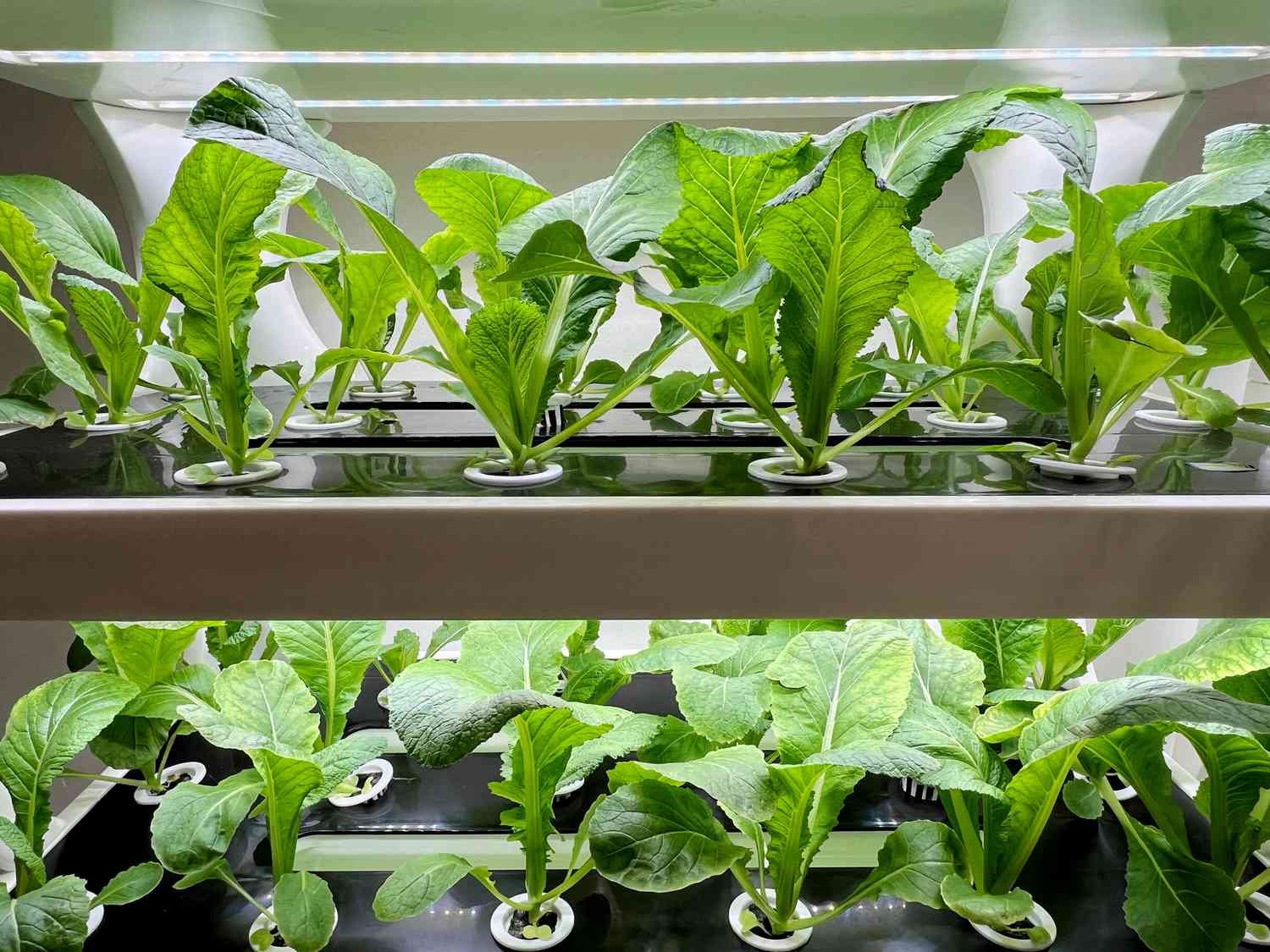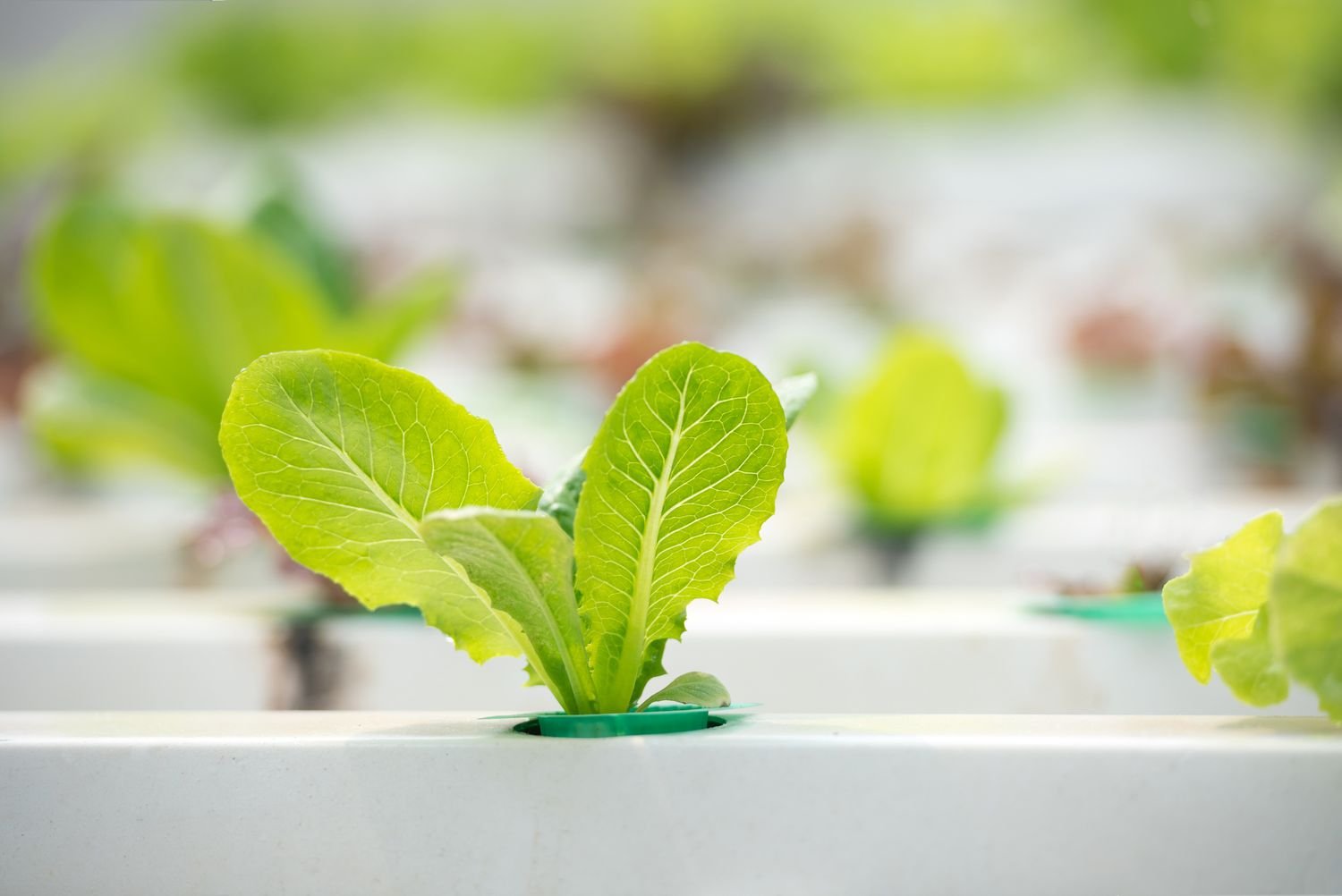

Hydroponic plants grow without soil. They use water and nutrients instead.
This method offers many benefits for gardeners and farmers. Hydroponics allows plants to grow faster and healthier. They receive all the nutrients they need directly from the water. This eliminates the need for soil, which can harbor pests and diseases.
Hydroponic systems also save water, using less than traditional gardening methods. Plus, they require less space, making them ideal for urban areas. This method of growing can produce fresh vegetables year-round, regardless of the season. With these advantages, more people are turning to hydroponics to grow their plants. It’s a modern solution that promises a sustainable future for gardening and farming.
Introduction To Hydroponics
Hydroponics is the science of growing plants without soil. Instead, plants grow in a nutrient-rich water solution. This method offers numerous advantages, making it a popular choice for modern agriculture.
Brief History
The idea of hydroponics dates back to ancient civilizations. The Hanging Gardens of Babylon and the floating gardens of the Aztecs are early examples. Modern hydroponics began in the 1930s. Researchers experimented with soil-less growing techniques. In the 1940s, hydroponics supported troops during World War II. Today, it’s a solution for food production in urban areas.
Basic Principles
Hydroponics relies on water instead of soil. Plants receive nutrients from a solution. This eliminates the need for soil. There are several key components in a hydroponic system:
- Water: Delivers nutrients directly to plant roots.
- Nutrient Solution: A mix of essential minerals and nutrients.
- Growing Medium: Supports plant roots without soil. Common mediums include clay pellets and rock wool.
- Light: Provides energy for photosynthesis. Natural sunlight or artificial lights can be used.
- Oxygen: Ensures root health. Aeration systems supply oxygen to the roots.
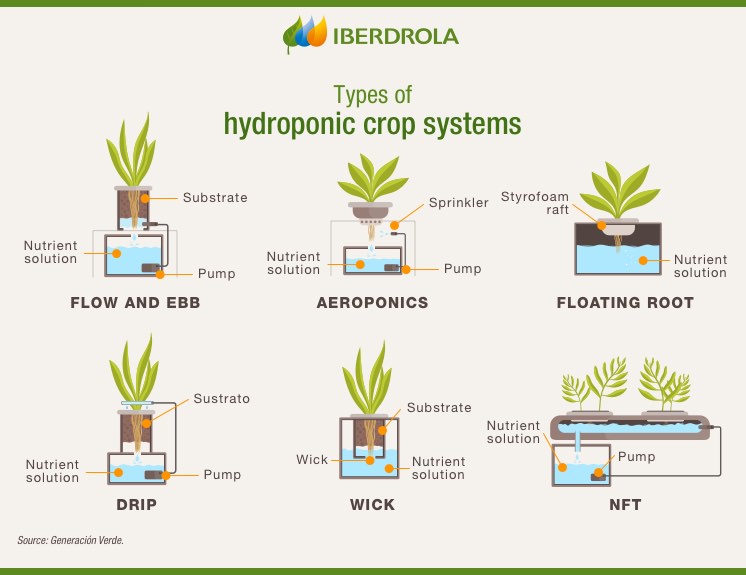
There are various hydroponic systems. Each has its own method of delivering nutrients and water to plants. Some popular systems include:
- Deep Water Culture (DWC): Plants float on a nutrient solution.
- Nutrient Film Technique (NFT): Nutrient solution flows over plant roots.
- Drip System: Nutrient solution drips onto plant roots.
- Ebb and Flow (Flood and Drain): The grow tray floods with nutrient solution and then drains.
- Aeroponics: Roots are misted with nutrient solution.
Hydroponics offers many benefits. These include faster growth rates, higher yields, and reduced water usage. This method is also space-efficient, making it ideal for urban farming.
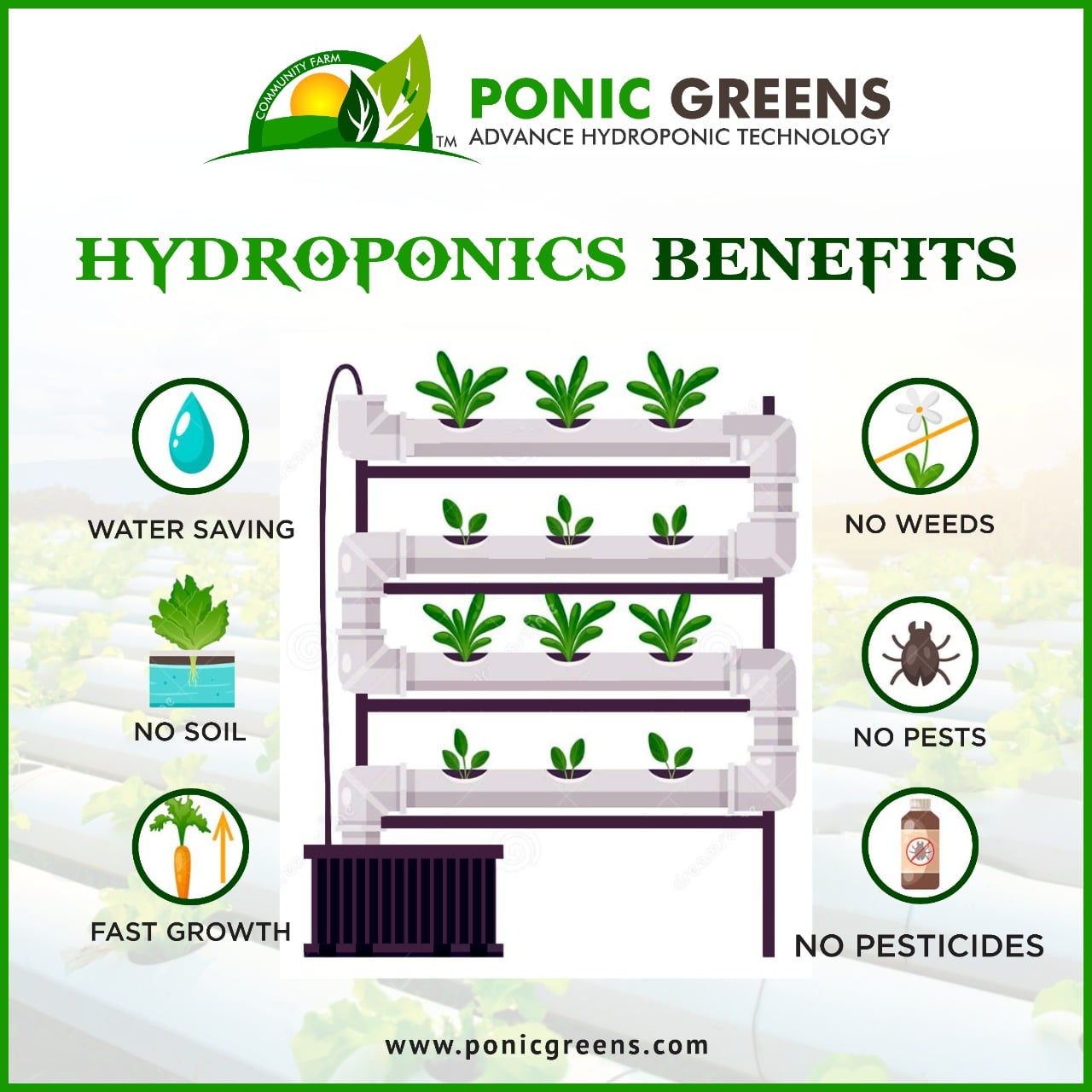
Credit: ponicgreens.com
Space Efficiency
Space Efficiency is one of the primary advantages of hydroponic plants. Traditional farming often requires large expanses of land. Hydroponics, on the other hand, makes it possible to grow plants in areas with limited space. This innovative method maximizes the use of available area, making it a viable option even in densely populated regions. Here’s how hydroponics achieves this:
Vertical Farming
Hydroponic systems can be set up in vertical layers. This allows for multiple levels of plants to grow in the same footprint. Imagine a tall building with several floors, each dedicated to a different crop. This method, known as Vertical Farming, uses less ground space and yields more produce.
With vertical farming, you can:
- Increase the number of plants grown per square foot.
- Utilize existing structures like warehouses or unused buildings.
- Reduce the need for clearing land, thus preserving natural habitats.
Urban Agriculture
In cities, space is a premium commodity. Hydroponics enables Urban Agriculture, where plants are grown in city environments. This can be on rooftops, balconies, or even inside buildings. Urban agriculture helps bring fresh produce closer to the consumer, reducing transportation costs and carbon footprints.
Benefits of urban hydroponic farming include:
- Utilizing underused urban spaces efficiently.
- Providing fresh, local produce to city dwellers.
- Creating green spaces in urban environments, improving air quality.
Overall, hydroponic systems are a smart solution for space-constrained areas.
Water Conservation
Water conservation is one of the key benefits of hydroponic plants. Traditional farming methods often use large amounts of water. Hydroponics, on the other hand, significantly reduces water usage. This makes it an eco-friendly choice for growing plants.
Reduced Usage
Hydroponic systems use up to 90% less water than soil-based farming. This is because the water is delivered directly to the plant roots. There is no need for excess water to soak into the ground.
In traditional farming, much of the water evaporates or runs off. Hydroponics minimizes this waste. Plants receive only the water they need.
Recycling Systems
Another advantage of hydroponics is the use of recycling systems. These systems collect and reuse water. After the water passes through the plant roots, it is collected and filtered.
Clean water is then cycled back into the system. This process creates a closed-loop system. Very little water is lost. This is especially important in areas with limited water resources.
Faster Growth
Hydroponic plants are known for their fast growth. This is a key advantage. Faster growth means more frequent harvests. It also means more efficient use of resources.
Optimized Nutrients
In hydroponic systems, plants receive nutrients directly. This happens through a water solution. The nutrients are perfectly balanced. This ensures that plants get what they need when they need it.
- Exact nutrient mix
- Faster absorption
- Improved growth rates
Controlled Environment
Hydroponics allows for a controlled environment. This means that factors like light, temperature, and humidity are regulated. Plants are less stressed and grow faster.
| Factor | Control Method |
|---|---|
| Light | LED grow lights |
| Temperature | Heating and cooling systems |
| Humidity | Humidifiers and dehumidifiers |
Controlled environments eliminate pests and diseases. This leads to healthier and faster-growing plants.
Higher Yields
Hydroponic plants offer the advantage of higher yields. They grow faster and produce more crops compared to traditional soil farming. This method ensures efficient use of space and resources.
Hydroponic plants offer many advantages. One of the most significant is higher yields. Growing plants in a hydroponic system can produce more crops. This is due to various factors that work together to create an ideal growing environment.Dense Planting
Hydroponic systems allow for dense planting. Plants can grow closer together. This is because their roots do not need to spread out in soil. They receive all the nutrients they need from the water. The dense planting means you can grow more plants in a smaller space. More plants mean higher yields.Continuous Harvest
Another advantage is the continuous harvest. Hydroponic systems can produce crops year-round. There is no need to wait for seasons to change. This is because you control the environment. Light, temperature, and nutrients are all regulated. Continuous harvest means you can enjoy fresh produce all the time. It also means higher yields over the year. “`Pest And Disease Control
Hydroponic gardening offers many advantages, especially in controlling pests and diseases. Growing plants without soil reduces the risks associated with traditional gardening. This method keeps plants healthier and reduces the need for pesticides.
Soil-free Benefits
Hydroponic plants grow in a soil-free environment. Soil often harbors pests and diseases that can harm plants. Without soil, many common pests and diseases have no habitat. This leads to healthier plants and less maintenance.
| Traditional Soil Gardening | Hydroponic Gardening |
|---|---|
| Soil can contain pests | No soil, fewer pests |
| Diseases spread easily | Reduced disease risk |
| Requires pesticides | Less pesticide use |
Integrated Pest Management
Integrated Pest Management (IPM) is a strategy used in hydroponic gardening. It focuses on long-term pest prevention. IPM uses a combination of techniques to control pests. This includes biological, cultural, and mechanical methods.
- Biological Control: Using natural predators to control pests.
- Cultural Control: Changing the environment to reduce pest problems.
- Mechanical Control: Using tools and devices to manage pests.
These methods reduce the need for chemical pesticides. They keep plants and the environment healthy. Hydroponic systems make it easier to monitor and manage pest control. This leads to a more sustainable and productive gardening method.
Nutrient Control
Hydroponic plants offer numerous advantages, one of which is nutrient control. Unlike traditional soil-based gardening, hydroponics allow for precise management of nutrients. This ensures that plants receive the exact nutrients they need for optimal growth.
Custom Nutrient Solutions
Hydroponic systems let you create custom nutrient solutions. You can tailor these solutions to meet the specific needs of your plants. Whether you’re growing leafy greens or flowering plants, each type has unique nutrient requirements. By controlling the nutrient mix, you can enhance plant health and yield.
Here’s a simple table that shows common nutrient needs for different plants:
| Plant Type | Nutrient Needs |
|---|---|
| Leafy Greens | High in Nitrogen |
| Flowering Plants | High in Phosphorus |
| Fruit-bearing Plants | Balanced NPK |
Monitoring Systems
Modern hydroponic systems often include monitoring systems. These systems track nutrient levels, pH, and water quality. Data from these systems help you make timely adjustments to maintain optimal growing conditions.
Monitoring systems can be simple or advanced:
- Basic systems may use manual testing kits.
- Advanced systems can include automated sensors and alerts.
With these tools, you can ensure your plants are always in the best environment. This leads to healthier plants and higher yields.
Credit: www.iberdrola.com
Environmental Impact
Hydroponic plants are gaining popularity due to their positive environmental impact. Traditional farming practices often harm the environment. Hydroponics offers a more eco-friendly solution. Let’s explore the advantages of hydroponic plants on the environment.
Reduced Carbon Footprint
Hydroponic systems use less space than traditional farming. This reduces the need for heavy machinery. Less machinery means fewer emissions. The transport of goods also decreases. Many hydroponic farms are set up near urban areas. This cuts down on long-distance shipping. As a result, the carbon footprint is significantly reduced.
Sustainable Practices
Hydroponics promotes sustainable practices that conserve resources. One key feature is water conservation. Hydroponic systems use up to 90% less water compared to soil-based farming. The water is recirculated in a closed system. This minimizes waste and maximizes efficiency.
- Water conservation
- Efficient nutrient use
- Less land required
Hydroponic plants also require fewer pesticides. This is because the controlled environment reduces the risk of pests. Fewer chemicals mean less pollution and healthier produce.
| Traditional Farming | Hydroponic Farming |
|---|---|
| High water usage | Low water usage |
| Heavy land use | Minimal land use |
| High carbon emissions | Reduced carbon emissions |
By adopting hydroponic systems, we can embrace more sustainable agriculture. It offers a path to a greener and cleaner future.
Challenges Of Hydroponics
While hydroponic plants offer many benefits, growing them comes with its own set of challenges. These challenges can be categorized into a few main areas. Let’s explore some of the key challenges.
Initial Costs
Setting up a hydroponic system can be expensive. The initial investment includes purchasing equipment such as grow lights, pumps, and nutrient solutions. Many beginners find these costs daunting. Unlike traditional gardening, hydroponics requires a controlled environment. This means investing in a grow tent or greenhouse.
Here is a breakdown of some typical initial costs:
| Item | Estimated Cost |
|---|---|
| Grow Lights | $100 – $300 |
| Pumps | $50 – $150 |
| Nutrient Solutions | $20 – $50 |
| Grow Tent/Greenhouse | $200 – $500 |
Technical Knowledge
Hydroponics requires a good understanding of plant biology and chemistry. Monitoring pH levels and nutrient concentrations is crucial. Many beginners struggle with these technical aspects. Unlike soil-based gardening, hydroponics does not have a natural buffer. Mistakes can quickly affect plant health.
Some key areas of knowledge include:
- pH Level Monitoring
- Nutrient Solution Preparation
- Light Cycle Management
- Pest and Disease Control
Maintaining the right balance of nutrients and water is critical. This can be overwhelming for those new to hydroponics.

Credit: www.edengreen.com
Conclusion
Hydroponic plants offer numerous benefits. They use less water. They grow faster. They take up less space. No soil means fewer pests. Cleaner produce. Ideal for urban settings. High yield in small areas. Easy to control nutrients. Hydroponics can be a great choice.
Try it for fresh, healthy plants.