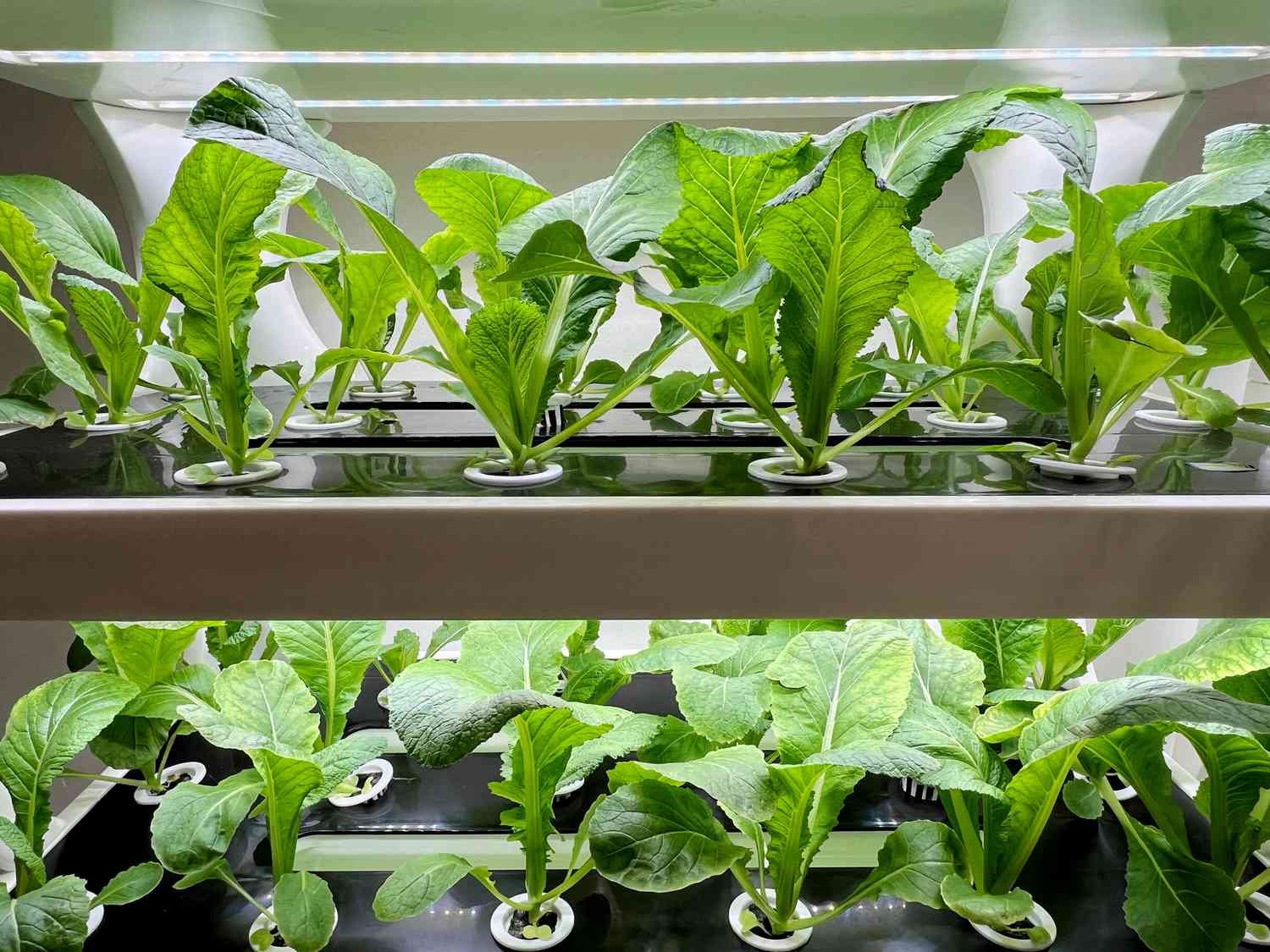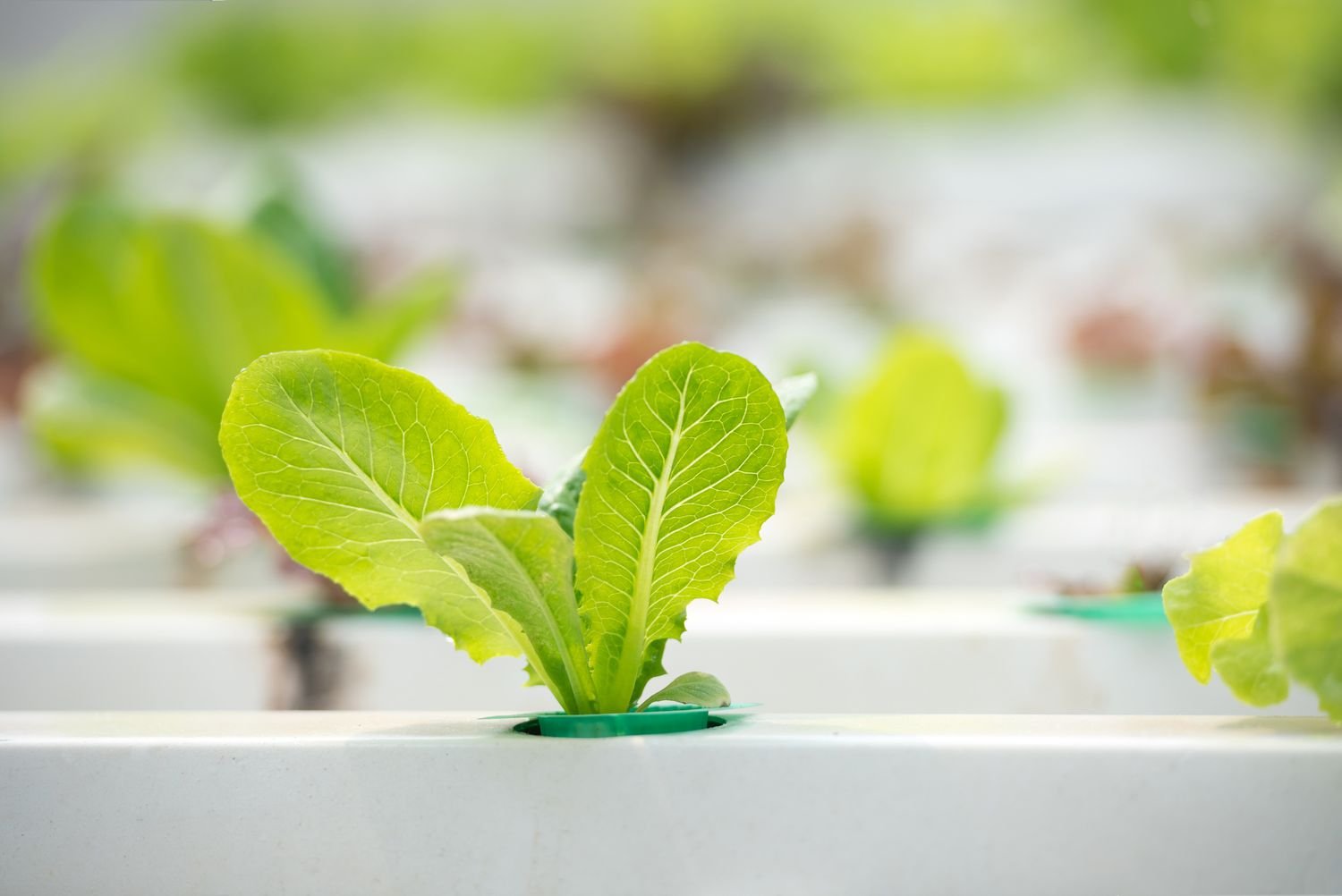

Starting a hydroponic farm can be exciting and rewarding. It’s a method of growing plants without soil, using mineral nutrient solutions in a water solvent.
Hydroponics offers a sustainable way to grow fresh produce year-round. It uses less water than traditional farming and allows you to grow plants faster. This method is ideal for those with limited space or who want to grow indoors. You don’t need a vast garden or farm; a small setup can yield a lot.
Whether you’re a beginner or have some gardening experience, hydroponics can be a great option. This blog will guide you through the essential steps to start your own hydroponic farm. Let’s dive in and explore the world of soilless farming.

Credit: www.delawareonline.com
Introduction To Hydroponic Farming
Hydroponic farming is an innovative way to grow plants without soil. It uses nutrient-rich water solutions to provide plants with everything they need. This method can be done indoors or outdoors, making it versatile and efficient.
What Is Hydroponics?
Hydroponics is a method of growing plants using water-based solutions. Instead of soil, plants get nutrients from the water. This method can be used to grow various crops, from vegetables to herbs.
Here is a simple breakdown of hydroponic systems:
- Nutrient Film Technique (NFT): A thin film of nutrient solution flows over the roots.
- Deep Water Culture (DWC): Plants are suspended in a nutrient-rich solution.
- Ebb and Flow: The nutrient solution floods the grow bed at intervals.
- Aeroponics: Plants are misted with nutrient solution.
Benefits Of Hydroponic Farming
Hydroponic farming offers many benefits compared to traditional farming. Here are some key advantages:
| Benefit | Description |
|---|---|
| Water Efficiency | Hydroponics uses less water than soil-based farming. |
| Space Efficiency | Grow more plants in a smaller area, ideal for urban settings. |
| Faster Growth | Plants receive nutrients directly, speeding up growth. |
| Year-Round Production | Grow crops indoors regardless of the season. |
| Pest and Disease Control | Less exposure to soil-borne pests and diseases. |
Choosing The Right Hydroponic System
Starting a hydroponic farm can be a rewarding venture. One of the first steps is choosing the right hydroponic system. The system you select will impact your farm’s success. It determines how plants get water, nutrients, and support. Below, we explore the various types of hydroponic systems and the factors to consider.
Types Of Hydroponic Systems
Different systems suit different needs. Here are some common types:
- Deep Water Culture (DWC): Plants float in nutrient-rich water.
- Nutrient Film Technique (NFT): A thin film of nutrient solution flows over plant roots.
- Ebb and Flow: Also known as flood and drain. It floods the grow tray at set intervals.
- Drip System: Delivers nutrient solution to individual plants through drip lines.
- Aeroponics: Roots are misted with nutrient solution in air.
Factors To Consider
Selecting the right system involves several factors:
- Space: How much room do you have? Some systems need more space.
- Budget: Costs vary between systems. Consider both initial and ongoing costs.
- Plant Types: Different plants thrive in different systems. Check compatibility.
- Maintenance: Some systems need more upkeep. Ensure you can manage it.
- Scalability: Will you expand in the future? Choose a system that can grow with you.
Here is a quick comparison in table form:
| System | Space | Budget | Maintenance | Scalability |
|---|---|---|---|---|
| DWC | Moderate | Low | Low | High |
| NFT | Low | Moderate | High | Moderate |
| Ebb and Flow | High | Moderate | Moderate | High |
| Drip System | High | Moderate | Moderate | High |
| Aeroponics | Low | High | High | Moderate |
Choosing the right system is crucial for your hydroponic farm’s success. Consider your space, budget, and plant types. Also, think about maintenance and future expansion. This helps you pick the best system for your needs.
Setting Up Your Hydroponic Farm
Starting a hydroponic farm is an exciting venture. It promises fresh produce and innovative farming. Proper setup is crucial for success. This guide covers the essential steps to get you started.
Selecting A Location
Location is vital for your hydroponic farm. Choose a spot with good lighting. Natural sunlight is best, but artificial lights work too. Ensure there is enough space for your setup. This includes room for plants, equipment, and walking paths.
Consider the temperature and humidity. Hydroponic plants need a stable environment. Too much heat or cold can harm them. Indoor locations are often easier to control. Basements, garages, or dedicated rooms work well. Make sure the area is clean and pest-free.
Necessary Equipment
Gathering the right equipment is the next step. You will need containers for your plants. These can be pots, trays, or other vessels. A water reservoir is also essential. It holds the nutrient solution for your plants.
Invest in a good pump. This device circulates water and nutrients. Proper lighting is also crucial. LED grow lights are popular. They are energy-efficient and effective. You will also need timers for lights and pumps. This ensures a consistent schedule for your plants.
Do not forget about the nutrients. Plants need specific minerals to grow. Special hydroponic fertilizers are available. These contain all the necessary elements. A pH meter is also useful. It helps monitor the acidity of your water.
Preparing The Nutrient Solution
Preparing the nutrient solution is a key step in starting a hydroponic farm. The right mix of nutrients ensures healthy plant growth. This section will guide you through understanding and creating nutrient solutions.
Understanding Nutrient Requirements
Plants need specific nutrients to grow well. These include nitrogen, potassium, and phosphorus. They also need calcium, magnesium, and sulfur. Trace elements like iron, zinc, and copper are important too.
Each plant type has different nutrient needs. Research the specific requirements for your chosen plants. This ensures you provide the right balance of nutrients.
Mixing And Monitoring Solutions
Start with a base nutrient solution. Many hydroponic stores offer premixed solutions. Follow the instructions on the packaging. Mixing the solution correctly is crucial.
Use clean water to mix your nutrients. Tap water may contain impurities. Consider using distilled or filtered water.
Regularly monitor the pH level of your solution. Plants prefer a pH range between 5.5 and 6.5. Use a pH meter or test strips for accuracy.
Adjust the pH if needed. Add pH up or pH down solutions to balance it. This ensures nutrient absorption remains optimal.
Check the nutrient concentration with an EC meter. This measures the electrical conductivity of the solution. Ensure the concentration is within the recommended range for your plants.
Change the nutrient solution regularly. Fresh solutions prevent nutrient imbalances and contamination. Follow a routine to keep your plants healthy and thriving.
Selecting Suitable Plants
Starting a hydroponic farm can be exciting. One of the first steps is selecting suitable plants. Choosing the right plants is crucial for a successful hydroponic system. Some plants thrive better in hydroponics than others.
Best Plants For Hydroponics
Not all plants are suitable for hydroponic farming. Some plants adapt better to hydroponic systems.
- Lettuce: Grows quickly and requires minimal care.
- Spinach: Thrives in a hydroponic setup and grows year-round.
- Herbs: Basil, mint, and cilantro are perfect for hydroponics.
- Tomatoes: Yield high-quality fruit in a controlled environment.
- Peppers: Adapt well and produce abundant crops.
These plants are popular among hydroponic farmers. They have shorter growing cycles and require less space. Hence, they are ideal for beginners.
Planting Techniques
Proper planting techniques ensure healthy plant growth. Here are some methods:
- Seed Germination: Start seeds in a damp, warm environment. Use rockwool cubes or starter plugs.
- Transplanting: Move seedlings to your hydroponic system. Ensure roots are intact and undamaged.
- Nutrient Solution: Use a balanced nutrient solution. Ensure it meets the needs of your specific plants.
- Lighting: Provide adequate light for photosynthesis. LED grow lights are a good choice.
- Monitoring: Regularly check water pH and nutrient levels. Adjust as needed to maintain optimal conditions.
By following these techniques, you can maximize plant growth. Ensuring plants receive proper care is essential. This leads to a fruitful and productive hydroponic farm.
Managing The Hydroponic Environment
Managing the hydroponic environment is crucial for the health and growth of your plants. This includes controlling the light, temperature, and humidity within your system. Each element plays a vital role in creating the perfect conditions for your plants to thrive.
Light Requirements
Light is essential for photosynthesis, the process plants use to create food. In hydroponic farming, you must provide the right type and amount of light. LED lights are popular due to their efficiency. They offer the full spectrum of light needed for plant growth.
Ensure your plants receive 12-16 hours of light daily. You can use timers to automate this process. Position the lights close to the plants but not so close as to cause heat stress. Adjust the height of the lights as the plants grow.
Temperature And Humidity Control
Maintaining the right temperature and humidity is vital. The ideal temperature for most hydroponic plants is between 65-75°F (18-24°C). Use a thermometer to monitor the temperature. If it gets too hot, use fans or air conditioning.
Humidity levels should be between 50-70%. Too much humidity can cause mold and disease. Too little can dry out the plants. A hygrometer can help you track humidity levels. Use a dehumidifier or humidifier to adjust as needed.
Maintaining Your Hydroponic System
Maintaining your hydroponic system ensures a healthy and productive farm. Regular care prevents issues and keeps your plants thriving. Let’s explore the key aspects of maintenance.
Regular System Checks
Inspect your hydroponic system daily. Check water levels, pumps, and timers. Ensure everything functions properly. Look for leaks or clogs in the system. This helps prevent plant stress.
Cleaning And Sterilization
Clean your system every two weeks. Remove any algae or debris. Use a mild bleach solution to sterilize the components. Rinse thoroughly before reassembling. This prevents disease and pest buildup.
Troubleshooting Common Issues
Starting a hydroponic farm can be exciting and rewarding. But, like any farming venture, it comes with its challenges. Identifying and addressing common issues is key to a successful hydroponic system. Here, we’ll discuss some frequent problems and how to solve them.
Nutrient Deficiencies
Plants need a balanced mix of nutrients to thrive. In hydroponics, nutrient deficiencies can occur if the solution isn’t mixed properly. Signs of deficiencies include yellowing leaves, stunted growth, or poor fruit production. Regularly check and adjust the nutrient levels. Use a nutrient solution specifically designed for hydroponics.
Monitor pH levels as they can affect nutrient absorption. The ideal pH range for most plants is between 5.5 and 6.5. Use a pH meter to ensure your solution stays within this range. Consistent monitoring and adjustment will help prevent nutrient-related issues.
Pest And Disease Management
Even in a controlled environment, pests and diseases can find their way in. Common pests include aphids, spider mites, and whiteflies. They can damage plants and reduce yields. Inspect plants regularly for signs of infestation.
If you spot pests, remove them manually or use insecticidal soap. For disease prevention, ensure proper air circulation and avoid overwatering. Fungal diseases like root rot can thrive in overly moist conditions. Keep the growing area clean and sanitized to minimize risks.
Using beneficial insects like ladybugs can help control pest populations naturally. These small actions can help maintain a healthy hydroponic environment.
Harvesting And Post-harvest Handling
Harvesting and post-harvest handling are critical steps in hydroponic farming. Properly managing these stages ensures high-quality produce. It also maximizes shelf life. Learn how to harvest your crops and handle them post-harvest to maintain their freshness.
When To Harvest
Knowing the right time to harvest is essential. Harvesting too early or too late affects the crop’s quality.
- Leafy Greens: Harvest when leaves are tender and full-sized.
- Fruits: Pick when they are fully colored and firm.
- Herbs: Harvest just before they start flowering for the best flavor.
Use clean, sharp tools to cut the plants. This prevents damage and reduces the risk of disease.
Storage And Packaging
Proper storage and packaging are crucial for maintaining freshness. Here are some tips:
- Temperature Control: Store crops at the correct temperature. Leafy greens and herbs thrive in cooler temperatures. Fruits need moderate cold storage.
- Humidity: Maintain the right humidity levels. Leafy greens need higher humidity. Fruits prefer moderate humidity.
- Packaging: Use breathable packaging materials. This helps prevent moisture build-up and spoilage. For example, use perforated plastic bags for leafy greens.
Label packages with dates and contents. This helps track freshness and inventory.
Table for optimal storage conditions:
| Crop | Temperature (°C) | Humidity (%) |
|---|---|---|
| Leafy Greens | 1-3 | 90-95 |
| Fruits | 7-10 | 85-90 |
| Herbs | 1-3 | 90-95 |

Credit: www.freightfarms.com
Scaling Up Your Hydroponic Farm
Scaling up your hydroponic farm can be an exciting journey. It involves expanding your system and reaching new markets. Here’s how to make it happen.
Expanding Your System
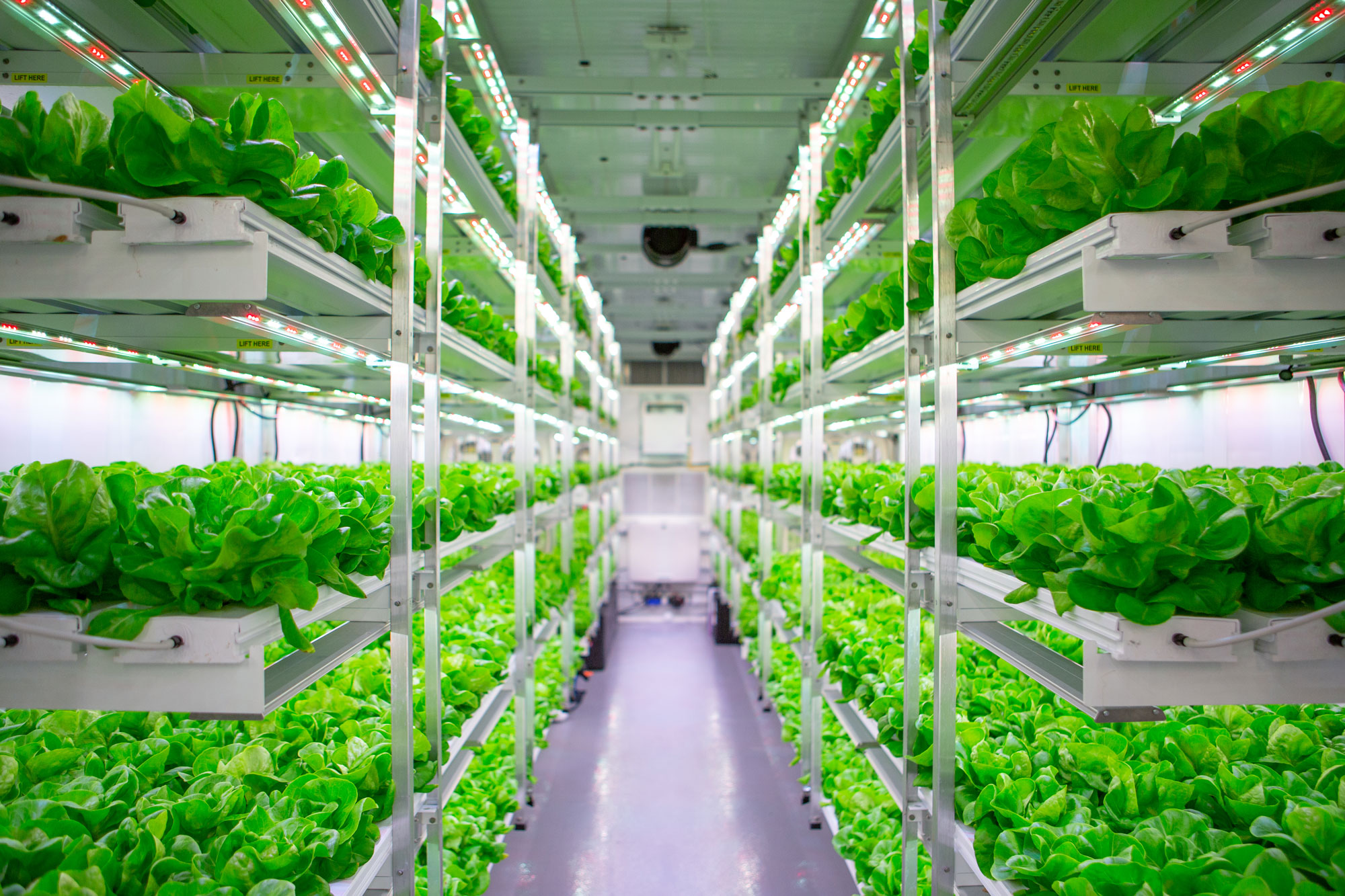
Start with a plan. Evaluate your current setup. Identify areas for improvement. Consider adding more grow beds or using vertical farming techniques. This way, you can maximize your space.
| Current Setup | Expansion Idea |
|---|---|
| Small Grow Beds | Larger or Additional Beds |
| Horizontal Layout | Vertical Farming |
| Manual Monitoring | Automated Systems |
Automation can be a game-changer. Use sensors to monitor pH levels and nutrient concentrations. This ensures optimal growing conditions. Automated systems save time and reduce errors.
Marketing Your Produce
Building a brand is crucial. Your produce needs a unique identity. Use social media to showcase your farm. Share your story and highlight the benefits of hydroponic farming.
Local markets are a great start. Partner with restaurants and grocery stores. Offer samples and build relationships with buyers. Fresh, high-quality produce speaks for itself.
- Attend local farmers’ markets
- Engage with customers on social media
- Offer subscription boxes
Consistency is key. Ensure your produce is always fresh. Deliver on time and maintain high standards. Happy customers will spread the word. This will help you grow your business.
Credit: www.verticalroots.com
Conclusion
Starting a hydroponic farm is rewarding and sustainable. Follow the steps carefully. Begin with research on systems and plants. Prepare your space and gather supplies. Choose the right nutrient solution for your crops. Monitor plant growth and adjust as needed.
Keep learning and adapting your methods. Enjoy fresh, healthy produce year-round. With dedication and practice, success is within reach. Happy farming!