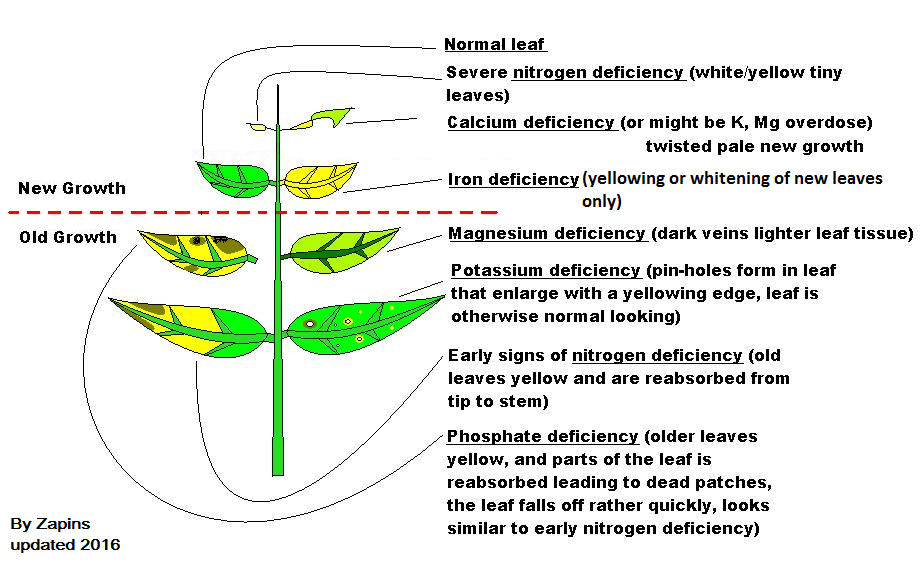
Aquarium plants need proper nutrients to thrive. A deficiency chart helps identify issues.
Keeping aquatic plants healthy is crucial for a vibrant aquarium. Different nutrients affect plant growth and color. Understanding these can prevent problems before they start. This guide explains how a deficiency chart works. It helps you spot signs of nutrient imbalance.
Knowing what your plants lack can save time and effort. It’s about creating the right environment for your underwater garden. This chart acts as a detective tool. It uncovers what your plants might be missing. Dive into this guide to learn more. You’ll find tips to maintain a lush, green aquarium. Keep your plants happy and your fish content.

Credit: buceplant.com
Introduction To Aquarium Plant Deficiencies
A thriving aquarium features lush, vibrant plants. These plants are vital for the ecosystem, providing oxygen and shelter. Sometimes, plants struggle due to nutrient deficiencies. Understanding these deficiencies is crucial. This knowledge helps maintain a healthy environment for aquatic life.
Common Signs
Deficiencies manifest in various ways. Yellowing leaves often indicate a lack of nitrogen. Pale leaves may signal insufficient iron. Stunted growth can mean a shortage of potassium. Holes in leaves might suggest a calcium deficiency. Recognizing these signs is the first step to a solution.
Importance Of Healthy Plants
Healthy plants contribute significantly to an aquarium’s balance. They absorb excess nutrients and toxins. This keeps water clean for fish and other creatures. Plants also reduce algae growth. Their presence enhances the aesthetic appeal of any aquarium. Ensuring plants receive adequate nutrients supports these benefits.
Macro Nutrient Deficiencies
Understanding macro nutrient deficiencies in aquarium plants is crucial. These deficiencies can stunt growth and affect plant health. Ensuring adequate nutrients fosters vibrant and thriving aquatic environments.
Nitrogen Deficiency
Nitrogen is vital for plant growth. Without enough nitrogen, plants lose their green color. Leaves turn yellow and growth slows down. Spotting nitrogen deficiency early helps restore plant health.
To fix nitrogen deficiency, use nitrogen-rich fertilizers. Monitor plant response closely. Adjust amounts based on plant recovery and growth.
Phosphorus Issues
Phosphorus supports root development and flower formation. Lack of phosphorus leads to dark green leaves with purple stems. Plant growth may become stunted.
To address phosphorus issues, select phosphorus-rich fertilizers. Ensure proper dosage for optimal plant health. Regular monitoring can prevent recurring problems.
Micro Nutrient Deficiencies
Micro nutrient deficiencies can greatly affect the health of aquarium plants. These nutrients are essential for growth and vibrant colors. Without them, plants may show signs of distress or poor development. Understanding these deficiencies helps in maintaining a healthy aquarium ecosystem.
Iron Shortage
Iron is crucial for chlorophyll production in plants. An iron shortage leads to pale, yellow leaves. The veins may remain green, creating a striking contrast. This condition is called iron chlorosis. Iron helps in energy transfer and enzyme function. Regular monitoring and supplementation can prevent deficiency.
Potassium Deficiency
Potassium plays a vital role in plant metabolism. It aids in protein synthesis and photosynthesis. A deficiency can cause leaf edges to turn yellow or brown. This may lead to leaf curling and wilting. Potassium also strengthens plant cell walls, promoting disease resistance. Ensuring adequate levels supports healthy plant growth.
Lighting And Its Effects
Aquarium lighting impacts plant growth and health. Insufficient light may lead to leaf discoloration and slow growth. Understanding the deficiency chart helps identify problems and improve plant care effectively.
Lighting plays a critical role in maintaining a healthy aquarium ecosystem, especially when it comes to plant growth. The right lighting not only enhances the beauty of your underwater garden but also ensures that your plants thrive. Have you ever wondered if your aquarium plants are getting enough light? Or perhaps too much? Let’s dive into the effects of lighting and how you can achieve the perfect balance for your aquatic plants.Inadequate Light Symptoms
When aquarium plants don’t get enough light, they show signs that are hard to ignore. You might notice your plants looking pale or yellow. This discoloration often signifies a lack of chlorophyll, which is essential for photosynthesis. Another symptom is stunted growth. Healthy plants should grow steadily, reaching out for light. If your plants are not growing or seem to be shrinking, it’s a clear sign they’re craving more light. Leaves may also become thin and fragile. If your plants are struggling to maintain their structure, inadequate light might be the culprit. Have you observed any of these symptoms in your aquarium?Adjusting Light Levels
Adjusting light levels can transform your aquarium’s health. Start by assessing the current lighting setup. Is it bright enough for the species of plants you have? Different plants have different lighting needs, so it’s crucial to know what works best for yours. Consider the duration of lighting. Aquarium plants typically need 8-12 hours of light per day. If you’re unsure, try experimenting with various durations and observe the changes. You’ll find that your plants respond almost immediately to better lighting conditions. Positioning is also key. Ensure your light source is evenly distributed across the tank. Avoid shadows and ensure all plants receive equal exposure. Have you tried repositioning your lights lately? Lighting can be a game changer for your aquarium plants. By understanding the signs of inadequate light and making simple adjustments, you can foster a thriving aquatic environment. What changes will you make to light up your underwater world?Water Parameters Impact
Aquarium plants thrive when water parameters are balanced. The deficiency chart helps identify nutrient needs for healthy growth. Clear understanding of these parameters aids in maintaining vibrant and flourishing aquatic plants.
Water quality plays a crucial role in maintaining a healthy aquarium, especially when it comes to plant growth. Poor water parameters can lead to plant deficiencies, which are often difficult to diagnose without a proper chart or guide. Understanding how water parameters like pH level and water hardness affect your aquatic plants can help you create an optimal environment for them to thrive. Let’s explore how these factors make a difference.Ph Level Importance
The pH level of your aquarium water determines the acidity or alkalinity, which directly affects plant nutrient uptake. An imbalanced pH can cause plants to struggle, even if other conditions seem perfect. Ideally, most aquarium plants prefer a pH range between 6.5 and 7.5. Imagine you add a new plant, but after a week, it starts showing yellow leaves. This could be due to a pH imbalance. Regularly test your water and adjust it as needed to keep your plants healthy.Water Hardness Concerns
Water hardness refers to the concentration of minerals like calcium and magnesium in your aquarium. These minerals are essential for plant growth, but too much or too little can create problems. Soft water may cause nutrient deficiencies, while hard water can lead to excess mineral deposits on leaves. Use a water hardness test kit to monitor these levels regularly. Do you notice white spots on your plants? This might indicate high water hardness. Consider mixing your tap water with distilled water to adjust it. By keeping an eye on these water parameters, you ensure that your aquatic plants receive the right conditions to flourish. What steps will you take today to check your water quality? Share your thoughts in the comments below!
Credit: www.aquariumadventures.co.uk
Preventing Plant Deficiencies
An aquarium plant deficiency chart helps identify nutrient gaps in aquatic plants. This tool assists in maintaining healthy plant growth. Proper nutrient levels ensure vibrant and thriving underwater gardens.
Preventing plant deficiencies in your aquarium is essential to maintaining a lush, vibrant underwater garden. Imagine glancing at your tank and seeing your plants thriving, their colors bold and leaves healthy. This dream is achievable with the right strategies. Let’s dive into some practical steps to keep those aquatic greens in top shape.Regular Monitoring
Frequent checks can be your best defense against plant deficiencies. Look at your plants closely during routine maintenance. Are the leaves yellowing or curling? These signs can hint at nutrient gaps. Keep a journal of your observations. Note any changes in plant appearance or growth. This habit helps identify patterns and potential problems early on. An aquarium journal is a simple yet powerful tool for proactive care. Consider setting reminders to inspect your plants regularly. This practice ensures you catch issues before they escalate. It’s like having a health check-up for your aquatic garden.Balanced Fertilization
Feeding your plants the right nutrients is crucial. Too much or too little can cause deficiencies. Start with a balanced fertilizer specifically designed for aquarium plants. These products often contain the right mix of essential nutrients. Think of fertilization as feeding your plants a balanced diet. Nitrogen, phosphorus, and potassium are key players in plant health. Make sure your chosen fertilizer covers these bases. Do you notice uneven growth or color changes? Adjust your fertilization routine. Sometimes, plants need more of certain nutrients. Tailoring your approach can lead to remarkable improvements. Experiment with different products and schedules. Finding the perfect balance might take time, but the rewards are worth it. A thriving aquarium is a testament to your dedication and care.Choosing The Right Plants
Navigating plant choices in aquariums involves understanding nutrient needs. An Aquarium Plant Deficiency Chart identifies common issues like yellowing leaves, helping hobbyists select healthy plants. By recognizing signs of nutrient shortages, aquarists can ensure vibrant, thriving aquatic environments.
Choosing the right plants for your aquarium is more than just about aesthetics. It’s about creating a balanced ecosystem where both plants and fish thrive. Understanding plant needs helps prevent deficiencies and ensures a lush underwater landscape. But how do you choose the right plants for your aquarium? Let’s dive into some options based on maintenance and nutrient demand.Low Maintenance Options
If you’re new to aquascaping or prefer a hassle-free approach, consider low maintenance plants. These species are forgiving and require minimal care. Java Fern and Anubias are excellent choices; they thrive in various conditions and need less light and nutrients. Floating plants like Duckweed offer another simple option. They grow quickly and provide shade, which can help control algae. You can enjoy a vibrant look without spending hours on plant care. Think about your time commitment. Do you want a lush tank with little effort? Low maintenance plants might be your best bet.High Nutrient Demand Species
For those ready to invest more time, high nutrient demand species can create a stunning aquarium. These plants, like Amazon Swords and Rotala, need ample nutrients and light. They often require CO2 supplementation to reach their full potential. Keeping these plants healthy means regular monitoring. You’ll need to check nutrient levels and adjust lighting. The rewards? A vibrant, dynamic aquascape that stands out. Ask yourself, are you ready to engage more deeply with your tank? High nutrient demand species offer incredible beauty but require commitment. In choosing the right plants, balance beauty with practicality. Consider your experience, available time, and willingness to engage with aquarium care. What kind of underwater world do you envision?Troubleshooting And Solutions
Aquarium plant deficiency charts help identify nutrient shortages affecting plant health. Spot yellowing leaves or stunted growth? Consult the chart for simple solutions. Ensure vibrant, thriving aquatic plants with easy-to-follow guidance.
Having an aquarium is like having a slice of an underwater world in your living room. However, maintaining its beauty requires attention to detail, especially when it comes to plant health. Aquarium plants can suffer from deficiencies that affect their growth and vibrancy. This section will guide you through identifying and solving these issues effectively.Identifying Problems Early
Spotting plant deficiencies early is crucial for maintaining a thriving aquarium. Discoloration, such as yellowing leaves or transparent edges, often indicates nutrient deficiencies. Have you noticed slow growth or deformed leaves? These are warning signs that your plants need immediate attention. Regularly inspect your aquarium plants. Use a deficiency chart as a reference to compare symptoms with potential nutrient shortages. This proactive approach can save you time and ensure your plants remain healthy.Effective Treatments
Once you’ve identified the problem, it’s time to act. Start by adjusting the nutrient levels in your aquarium. Adding supplements like iron or potassium can often resolve the deficiency. Be precise with your dosing to avoid overcompensation. Consider your light setup. In my experience, insufficient lighting was the culprit behind stunted growth in my aquarium. A simple upgrade in the lighting system breathed new life into my plants. Evaluate your plant’s environment. Are they receiving enough CO2? Ensure that the water parameters align with the needs of your specific plant species. Simple adjustments can make a significant difference. By staying vigilant and making these targeted adjustments, you can maintain a vibrant underwater garden. What steps will you take to ensure your aquarium plants thrive?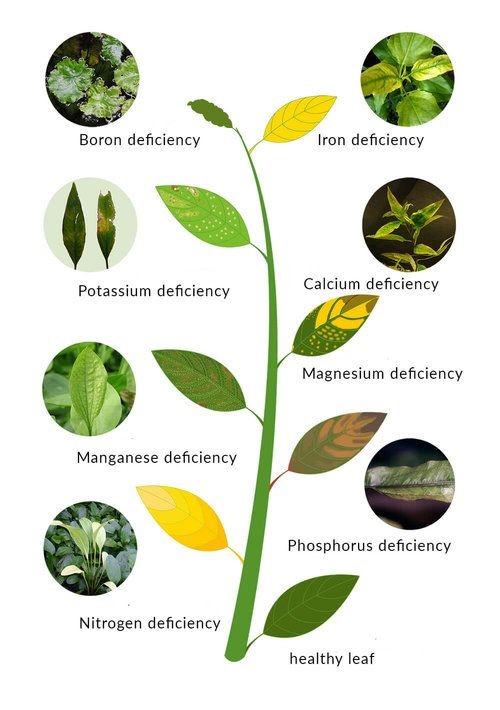
Credit: www.fishkeeper.co.uk
Frequently Asked Questions
How Do I Know If My Aquarium Plants Are Lacking Nutrients?
Yellowing leaves, stunted growth, or transparent patches indicate nutrient deficiency in aquarium plants. Ensure adequate light and balanced fertilizers. Regular water testing helps maintain optimal nutrient levels. Adjust dosing based on plant needs and monitor changes to sustain healthy growth.
What Are The 5 Common Deficiency Symptoms In Plants?
Plants commonly show deficiency symptoms like yellowing leaves, stunted growth, leaf curling, poor fruiting, and leaf spots.
How Do You Know If A Plant Has Iron Deficiency In Aquarium Plants?
Iron deficiency in aquarium plants appears as yellowing leaves, especially between veins, and stunted growth. Look for new leaves showing these symptoms while older leaves remain green. Regularly check and adjust iron levels to maintain plant health in your aquarium.
What Are The Symptoms Of Co2 Deficiency In Aquarium Plants?
CO2 deficiency in aquarium plants causes slow growth, yellowing leaves, and poor oxygen production. Plants may develop holes or become stunted. Increased algae growth might occur due to poor nutrient absorption. Ensure adequate CO2 levels to maintain healthy plant growth and vibrant colors.
Conclusion
Understanding plant deficiencies helps maintain a healthy aquarium. Use the chart to identify and solve issues promptly. Notice yellowing leaves? Check for nutrient deficiencies. Spot holes in leaves? Look for potassium shortage. Each symptom points to specific needs. Correcting these keeps your plants lush and vibrant.
Regular monitoring helps prevent problems. Healthy plants mean a thriving aquatic environment. Your fish and plants will thank you. Keep learning and observing for the best results. Happy planting!