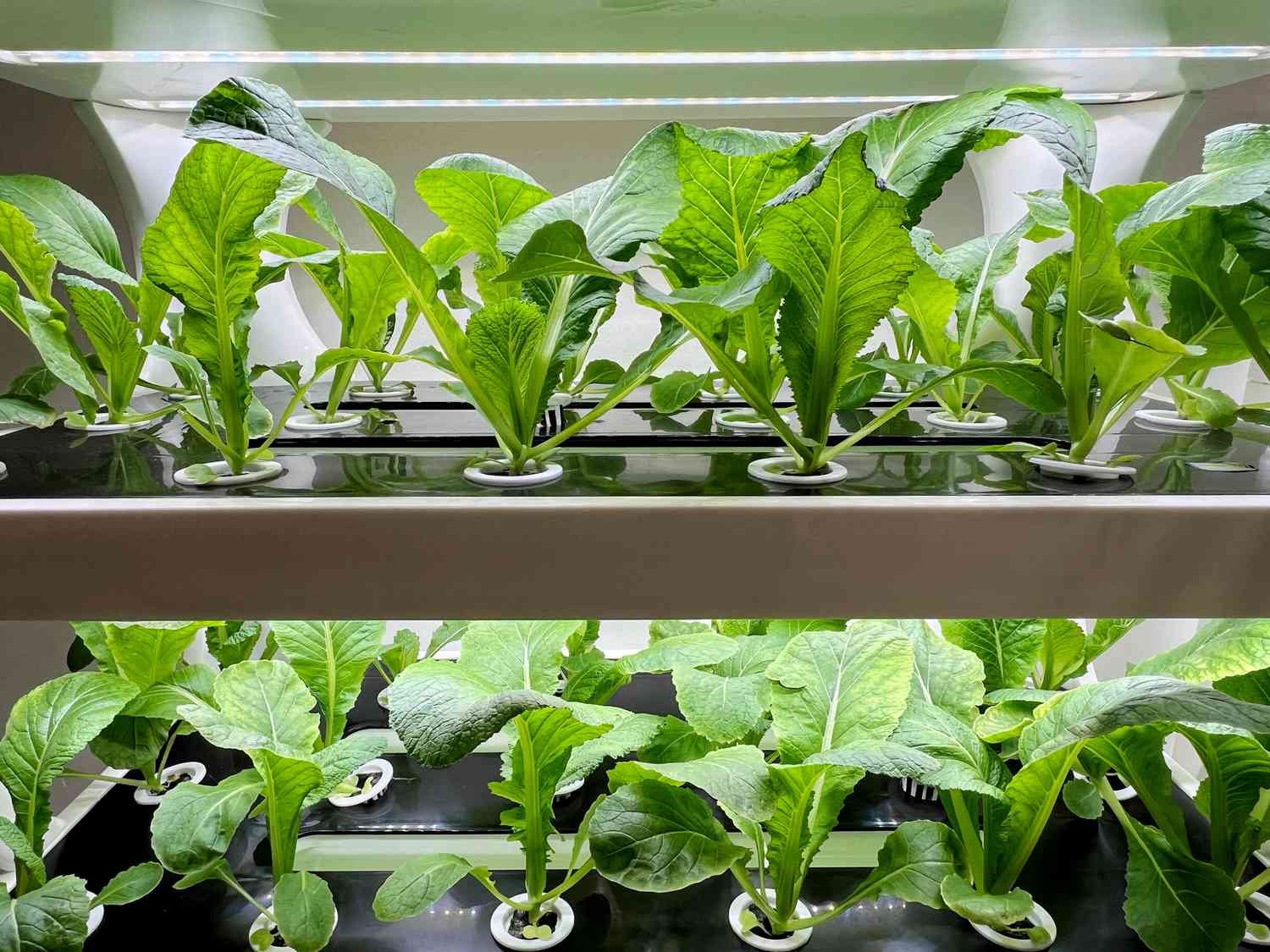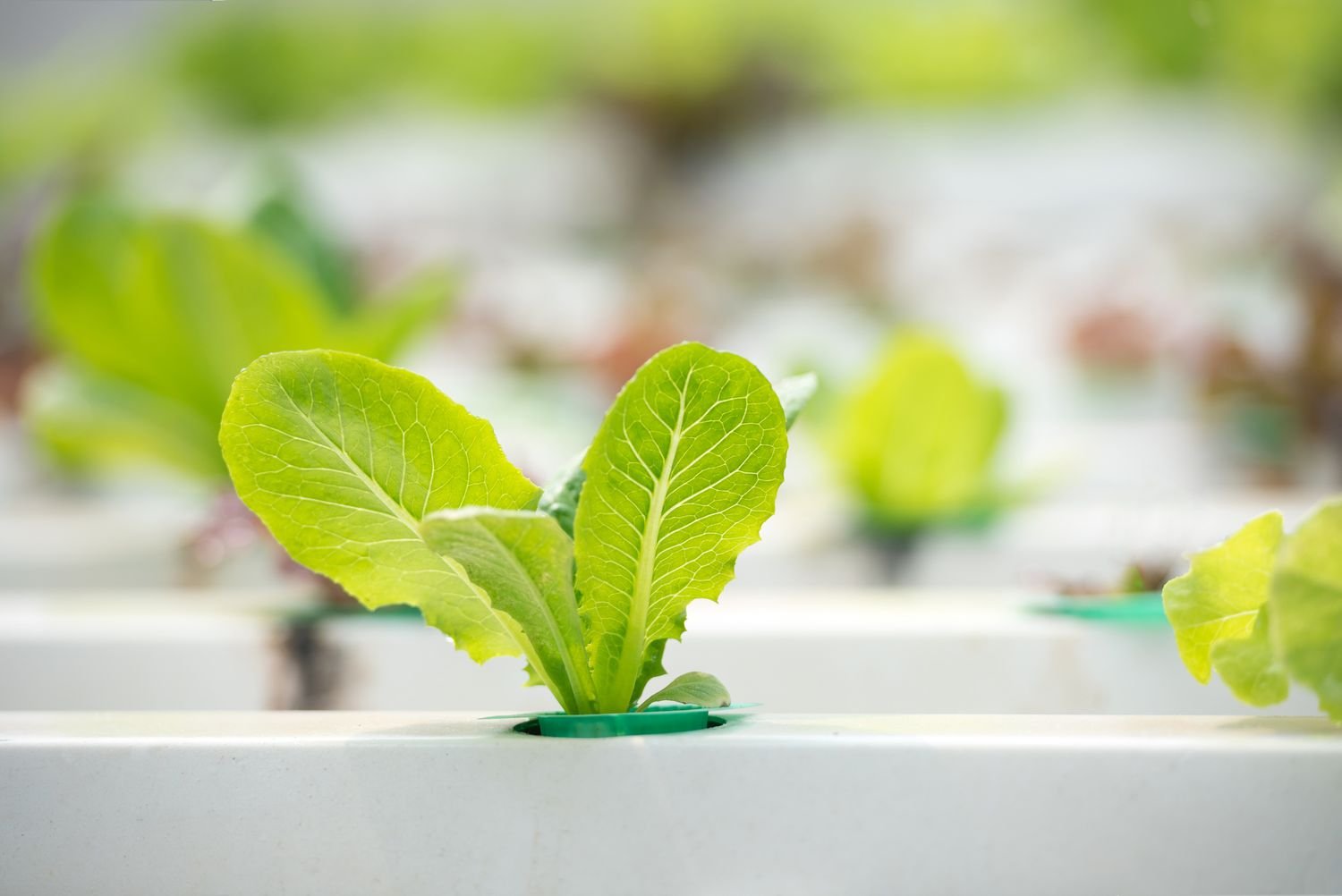

Yes, hydroponic plants can grow in water. This method uses water, nutrients, and no soil.
It offers many benefits and is gaining popularity. Hydroponics is an innovative way to grow plants. Instead of soil, plants thrive in water mixed with nutrients. This method is efficient and space-saving. It’s perfect for urban areas and small spaces.
Many people are curious if plants can really grow this way. The answer is yes. Hydroponics provides all the necessary nutrients directly to the plant roots. This results in faster growth and higher yields. It’s a fascinating technique that’s transforming gardening. Let’s explore how hydroponic plants grow in water and why it’s an excellent choice for gardeners.
:max_bytes(150000):strip_icc()/plants-grow-in-water-spider-plant-realsimple-GettyImages-1432617800-1060b873b6a644f3a42ff157217e4049.jpg)
Credit: www.realsimple.com
Introduction To Hydroponics
Hydroponics is a fascinating method of growing plants without soil. It uses water to provide essential nutrients directly to the roots. This technique offers many benefits, including faster growth and higher yields. Let’s dive deeper into hydroponics and explore its basics.
What Is Hydroponics?
Hydroponics is a method of growing plants using water, nutrients, and a soilless medium. Instead of soil, plants grow in water or inert media like perlite, clay pellets, or rockwool. This method ensures that plants receive all the nutrients they need directly from the water. The roots are exposed to a nutrient-rich solution, allowing for optimal growth and efficiency.
History Of Hydroponics
The concept of hydroponics is not new. Ancient civilizations like the Babylonians and Egyptians used similar techniques. The Hanging Gardens of Babylon, one of the Seven Wonders of the Ancient World, may have used early hydroponic methods. In the 1930s, scientists began formal research on hydroponics. They discovered that plants could grow well without soil if provided with the right nutrients.
Since then, hydroponics has evolved significantly. Modern systems are more efficient and easier to use. Today, many farmers and gardeners use hydroponics to grow fresh produce year-round. This method is particularly popular in urban areas and regions with poor soil quality.
:max_bytes(150000):strip_icc()/SPR-houseplants-grown-in-water-4177520-hero-264670857d8b4c68a66b6d63c20e179e.jpg)
Credit: www.thespruce.com
Basic Principles
Plants can grow in water using hydroponics. This method provides nutrients directly to roots without soil. Hydroponic systems offer efficient growth.
Hydroponics is the method of growing plants without soil. Instead, plants grow in a water-based, nutrient-rich solution. This technique allows plants to access nutrients directly through their roots.
How Hydroponics Works
In hydroponics, plants grow in containers filled with water and nutrients. The roots are submerged in the solution, absorbing everything they need. This method ensures that plants get the right amount of nutrients and water.
Essential Components
Hydroponic systems need several key components. First, a water reservoir holds the nutrient solution. Second, a pump circulates the solution to the plant roots. Third, an air pump provides oxygen to the roots. Fourth, grow lights mimic sunlight for photosynthesis. Finally, a pH meter ensures the solution stays balanced.
“`
Water As A Growing Medium
Water as a growing medium is a fundamental concept in hydroponics. Unlike soil, water can directly deliver nutrients to plants. This method offers many benefits, including faster growth and higher yields. But how does water work as a growing medium? Let’s explore.
Role Of Water In Hydroponics
Water supports plant roots. It provides necessary nutrients and oxygen. Plants absorb these elements through their roots. In hydroponics, water is the key component. It replaces soil, acting as the main medium for growth.
Water also helps regulate temperature. It maintains a stable environment for plant roots. This stability promotes healthy growth. Clean water is essential. It ensures that plants get the purest nutrients possible.
Nutrient Solutions
Nutrient solutions are vital in hydroponic systems. These solutions contain essential minerals. Plants need these minerals to grow. They include nitrogen, phosphorus, and potassium. The nutrient mix varies based on plant type.
Proper balance is crucial. Too much or too little can harm plants. Regular monitoring ensures the right nutrient levels. Using clean, filtered water improves nutrient absorption. This leads to healthier and stronger plants.
Water as a growing medium simplifies plant care. It eliminates the need for soil. This makes hydroponics a clean and efficient method. It’s ideal for urban gardening and small spaces.
Types Of Hydroponic Systems
Hydroponics is a method of growing plants without soil. Instead, plants grow in water with added nutrients. There are several types of hydroponic systems. Each type has its own benefits and challenges. Understanding these systems helps you decide which is best for you.
Deep Water Culture
Deep Water Culture (DWC) is a simple hydroponic system. In DWC, plant roots are suspended in a nutrient-rich water solution. The roots are submerged in water all the time. An air pump provides oxygen to the roots. This prevents root rot and promotes healthy growth. DWC is easy to set up and maintain. It is ideal for beginners. Leafy greens, herbs, and some vegetables grow well in DWC systems.
Nutrient Film Technique
Nutrient Film Technique (NFT) involves a shallow stream of water. The water contains nutrients. This stream flows over the roots of plants. A pump moves the nutrient solution through the system. The roots absorb nutrients from the thin film of water. NFT systems require careful monitoring. They are best for lightweight plants. Lettuce, spinach, and strawberries thrive in NFT systems. The system is efficient and conserves water.
Advantages Of Hydroponic Growing
Hydroponic growing is gaining popularity. It offers numerous benefits over traditional soil-based growing. This method uses water to deliver nutrients directly to plant roots. This ensures plants grow faster and healthier.
Faster Growth
One major advantage of hydroponic growing is faster growth. Plants receive nutrients directly from the water. This means they do not waste energy searching for nutrients in the soil. Instead, they use their energy to grow. Studies show that hydroponic plants grow 30-50% faster than soil-grown plants. This is a significant boost for anyone looking to grow plants efficiently.
Space Efficiency
Hydroponic systems are ideal for space efficiency. They do not require large plots of land. Instead, they can be set up in small spaces, even indoors. This makes them perfect for urban environments. You can grow a lot of plants in a small area.
Here is a comparison between traditional soil gardening and hydroponic growing:
| Feature | Soil Gardening | Hydroponic Growing |
|---|---|---|
| Space Requirement | Large plots of land | Small spaces, indoors or outdoors |
| Growth Rate | Slower, depends on soil quality | 30-50% faster |
| Water Usage | Higher, water is often wasted | Lower, water is recirculated |
Hydroponic systems also allow for vertical farming. This means you can grow plants in layers, one on top of the other. This further maximizes space efficiency. This is especially useful in areas with limited space.
Challenges And Solutions
Hydroponic gardening offers many advantages, but it also comes with challenges. Understanding these challenges and their solutions is key to success. Let’s explore the potential issues and how to manage water quality effectively.
Potential Issues
Hydroponic plants rely on water for all nutrients, which poses several challenges. These challenges include:
- Root Rot: This occurs if the roots stay too wet.
- Algae Growth: Algae can form on the water’s surface.
- Mineral Buildup: Excess minerals can harm plants.
Addressing these issues is crucial for healthy plant growth.
Managing Water Quality
Water quality is vital in hydroponics. Poor water quality can stunt plant growth. Here are some solutions:
- Regular Water Testing: Test pH and nutrient levels frequently.
- Water Changes: Change the water regularly to avoid buildup.
- Use Clean Containers: Ensure all containers and tools are clean.
Proper management of water quality ensures plants receive the nutrients they need. It also helps prevent common issues such as root rot and algae growth.
Successful Hydroponic Plants
Hydroponics has changed the way we grow plants. It allows cultivation without soil, using nutrient-rich water instead. Many plants flourish in this environment. Let’s look at some successful examples and real-world case studies.
Best Plants For Hydroponics
Certain plants thrive in hydroponic systems. Some of the best choices include:
- Lettuce: Grows quickly and requires minimal maintenance.
- Spinach: Ideal for hydroponics, it grows fast and is rich in nutrients.
- Herbs: Basil, mint, and cilantro thrive in water-based systems.
- Tomatoes: Produce high yields with proper care and support.
- Cucumbers: Perfect for hydroponics, they need space for vining.
These plants are not only easy to grow but also provide a bountiful harvest.
Case Studies
Real-world examples show the success of hydroponic systems. Here are a few:
| Location | Plant | Outcome |
|---|---|---|
| New York, USA | Lettuce | Increased yield by 50% compared to soil-based farming. |
| Tokyo, Japan | Tomatoes | Produced 30% more fruit with hydroponic methods. |
| Amsterdam, Netherlands | Herbs | Year-round supply of fresh herbs for local markets. |
These case studies demonstrate the efficiency and productivity of hydroponic systems. They show that with the right setup, plants can grow successfully in water.
:max_bytes(150000):strip_icc()/SPR-houseplants-grown-in-water-4177520-hero-264670857d8b4c68a66b6d63c20e179e.jpg)
Credit: www.thespruce.com
Future Of Hydroponics
Hydroponics, the method of growing plants without soil, is transforming agriculture. The future of hydroponics promises more efficient, sustainable, and innovative farming practices. This shift can address food security challenges and urban farming needs.
Technological Innovations
Technological advancements are driving the growth of hydroponics. Automated systems now monitor and adjust nutrient levels, pH, and light exposure. This ensures optimal growth conditions for plants.
Artificial Intelligence (AI) and machine learning help predict plant needs. These technologies reduce human error and improve crop yield. LED grow lights mimic the sun’s spectrum. These lights are energy-efficient and can be customized for different plant stages.
Drones and robots are also becoming common in hydroponic farms. They help in planting, monitoring, and harvesting. This reduces labor costs and increases efficiency.
Sustainable Agriculture
Hydroponics supports sustainable agriculture. It uses less water compared to traditional farming. This is crucial in areas with water scarcity.
Vertical farming is a key feature of hydroponics. It allows farmers to grow plants in stacked layers. This maximizes space use, making it ideal for urban areas.
Using recycled materials and organic nutrients makes hydroponics eco-friendly. It reduces waste and lowers the carbon footprint. Hydroponic systems can be set up in unused urban spaces like rooftops and basements. This promotes local food production and reduces transportation emissions.
| Benefit | Description |
|---|---|
| Water Efficiency | Uses up to 90% less water |
| Space Efficiency | Vertical farming maximizes space |
| Reduced Carbon Footprint | Less transportation and waste |
Hydroponics represents the future of agriculture. Its innovations and sustainability make it a vital solution for feeding the growing population. As technology advances, hydroponics will become even more efficient and accessible.
Conclusion
Hydroponic plants can definitely grow in water. This method offers many benefits. It saves space and conserves water. Plants grow faster and healthier. No soil means fewer pests and diseases. It’s a great option for urban gardening. Anyone can try hydroponics at home.
You just need basic materials and some patience. Start small and see the results. Your plants will thank you. Happy gardening!