A fragrance garden is all about making your outdoor space smell as good as it looks. By choosing aromatic plants and flowers, you get more than just a pretty view—you fill the air with scents that shift with the time of day and change as the seasons roll by. It’s hard not to feel a little more relaxed and refreshed when you’re surrounded by those kinds of natural perfumes. Honestly, it’s a great excuse to spend more time outside.
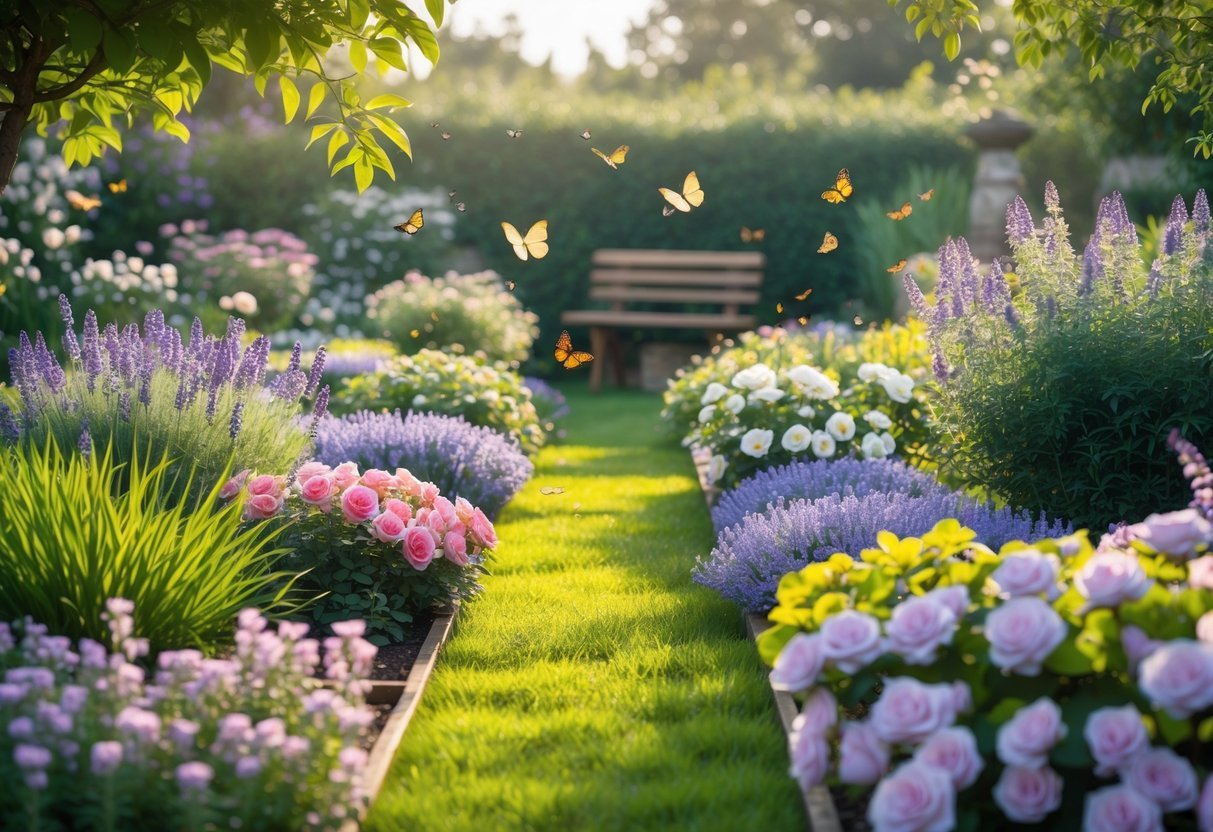
If you want that continuous scent, the real trick is to pick plants that bloom at different times. Lavender, jasmine, roses, sweet peas—each brings its own personality and fragrance to the mix. The nice thing is, you don’t need a massive yard or a ton of experience. Anyone can start a fragrance garden, whether you’re just getting your hands dirty or you’ve been at this for years.
Plus, these gardens are a win for pollinators and bring a whole new sensory layer to your space. Focusing on aromatic flowers and herbs makes your yard feel more like a retreat, and honestly, it just makes being outside better.
Designing a Fragrance Garden
Setting up a fragrance garden isn’t just about tossing some seeds around. Location, layout, and plant choices matter if you want to keep those scents coming all year. A bit of planning goes a long way, and it’s honestly kind of fun to figure out how the smells will drift through your space.
Choosing the Right Location
You’ll want your scented garden close to where you actually hang out—think patios, porches, or those spots where you like to sit and unwind. What’s the point if you can’t enjoy the fragrance, right?
Most of these plants want plenty of sun. But hey, don’t ignore those shadier corners—shade-tolerant herbs can add a twist. And if you pay attention to the breeze, you can let the wind carry the scent right to your favorite chair (without blowing it all away).
Soil matters too. Well-drained, rich soil keeps your plants happy, and healthy roots mean more blooms—and more scent.
Garden Layouts and Paths
How you arrange things makes a difference. Line your paths or seating areas with scented plants so you actually walk through the fragrance. It’s way more immersive that way, and you get these little pockets of scent as you wander.
Some ideas:
- Herb spirals are great for packing a bunch of aromatic herbs into a small area.
- Group plants that bloom together to keep the scent going longer.
- Put taller shrubs in the back and shorter flowers up front so you don’t miss anything.
A couple of benches or chairs scattered around means you can enjoy different scents from different spots. Why settle for just one view or fragrance?
Maximizing Scent Throughout the Seasons
If you want a garden that smells good all year, you’ll need to mix it up. Spring? Go for lilacs, daffodils, maybe lily of the valley. Summer is when roses, jasmine, and lavender really shine.
Fall and winter are trickier, but not impossible. Witch hazel or certain evergreen herbs like rosemary keep things interesting even when it’s chilly out.
Deadheading and pruning help keep blooms (and scents) coming. Mixing perennials, bulbs, and shrubs is a good way to make sure there’s always something going on, no matter the month.
Essential Fragrant Plants and Flowers
A truly fragrant garden needs a solid lineup of plants that keep the scents coming in waves. You’ll want a mix—some strong, some subtle—so there’s always something new to sniff, whatever your style or climate.
Iconic Fragrant Flowers
You can’t really beat the classic scent of a rose. Varieties like ‘Damask’ or ‘Centifolia’ are famous for their fragrance and look gorgeous, too. Lilies bring a sweet, sometimes spicy kick and those big blooms are hard to miss.
Hyacinths and sweet peas are spring favorites, filling the air with fresh, floral notes. If you’re in a warmer spot, gardenias are wonderfully creamy and lush. Phlox and dianthus are lighter but stick around for a while, which is always nice.
Aromatic Shrubs and Bushes
Lilacs practically shout “spring” with their sweet, strong scent—great for cooler areas. Mock orange gives off a sharp, citrusy fragrance and likes a sunny spot.
Butterfly bush is another winner, drawing in pollinators with its honeyed aroma. Witch hazel blooms when almost nothing else does, adding a spicy note to the garden. Scented geraniums are super versatile—lemony, minty, rosy—take your pick.
Fragrant Vines and Climbers
Jasmine is a must if you’re after that intense, sweet scent, especially in the evenings. Just give it something to climb and plenty of sun. Honeysuckle is another crowd-pleaser, and it’s a magnet for butterflies and hummingbirds.
Angel’s trumpet and moonflower are tropical types that really come alive at night with heavy, sweet scents. They’re dramatic, and honestly, they make evenings in the garden something special.
Night-Blooming Beauties
Evening primrose is easy-going and starts to show off at dusk, attracting nighttime pollinators. Moonflower’s big white blooms open as the sun goes down and smell amazing—perfect for late-night garden strolls.
Angel’s trumpet, again, is a showstopper after dark. If you want your garden to smell good in the evening, these are the plants to try. They add that bit of magic to patios and walkways.
Fragrant Herbs and Aromatic Foliage
No fragrance garden feels complete without herbs and aromatic foliage. They’re the backbone, honestly—lasting scent, easy to grow, and plenty of uses.
Popular Fragrant Herbs
Herbs are a no-brainer. Mint is super refreshing and grows like crazy—great in teas or just to brush against. Rosemary has that woody, pine scent, and it’s tough as nails in heat and drought.
Thyme is softer, almost clean-smelling, and handy in the kitchen. Basil brings a spicy-sweet note that’s hard not to love. Sage is earthy and savory, and works both fresh and dried. Plus, these herbs pull in bees and butterflies, so you get a little ecosystem boost, too.
Growing Herbs for Scent and Use
The best part about fragrant herbs? They’re useful. Chamomile smells like apples and makes a calming tea. Lemon verbena and lemon balm are bright and citrusy—perfect for infusions or just freshening the air.
Give them sun and well-drained soil, and they’ll reward you with more scent. Snipping them back now and then keeps them healthy and makes the fragrance even stronger. Containers or borders work well for herbs, so you can grab what you need without trampling your beds.
Scented Groundcovers and Foliage
Don’t forget about groundcovers. Creeping thyme is tough, smells great when you step on it, and the tiny flowers bring in pollinators. It’s perfect for pathways.
Some aromatic foliage plants pull double duty—they smell good and help keep bugs away. Mixing groundcovers and leafy plants gives you layers of scent and texture, making the garden more interesting, especially close to the ground.
Enhancing Your Fragrance Garden Experience
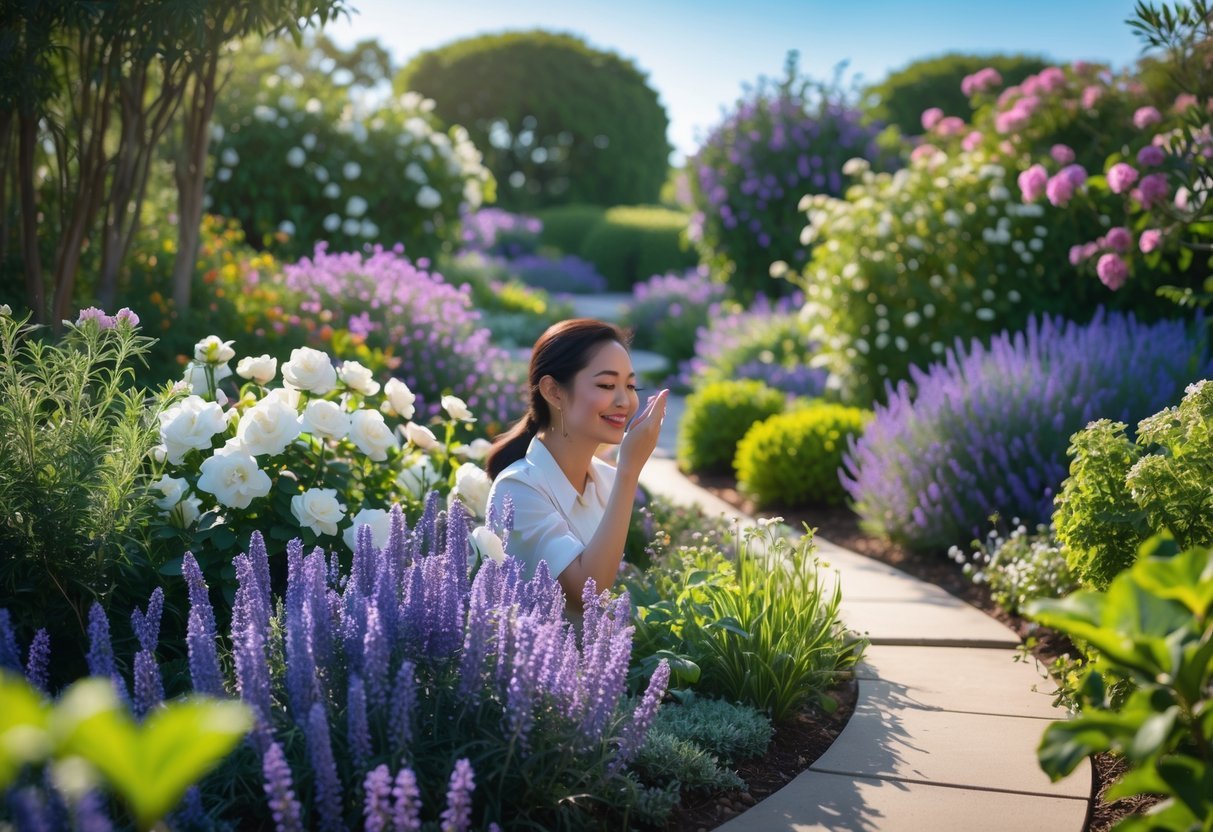
Getting the most out of your fragrance garden is part planning, part ongoing care. With the right plants and a few extra touches, you’ll have a spot that’s buzzing with wildlife, bursting with scent, and always inviting.
Attracting Pollinators and Beneficial Wildlife
The more bees, butterflies, and hummingbirds you attract, the better your garden will do. Go for nectar-rich picks like lavender, rosemary, and salvia to keep them coming back.
Planting in clusters makes it easier for pollinators to find what they need. Add a little water and some shelter, and you’ll see even more activity.
Skip the pesticides—they do more harm than good when it comes to these helpful visitors. A healthy ecosystem means better blooms and a longer-lasting garden.
Harvesting and Using Essential Oils
Some of the best-smelling plants can also give you essential oils. Lavender, rose, citronella—they’re all good for this. Harvest early in the day for the best results.
You can use those oils for homemade perfumes, aromatherapy, or even as natural bug repellents. Just stash them in dark glass bottles to keep them fresh. It’s a nice way to bring a little of your garden indoors, too.
Year-Round Maintenance and Care
Keeping a fragrance garden going all year isn’t exactly a set-it-and-forget-it deal. You’ll want to get into the habit of pruning, caring for the soil, and swapping out plants as the seasons shift.
Deadheading—just snipping off spent blooms—really helps roses and jasmine keep flowering longer (and honestly, it’s kind of satisfying). Mulch is your friend too; it locks in moisture and gives roots a bit of insulation when the cold hits.
Try mixing in some bulbs or perennials as the months change, so there’s always something scented popping up. Watering? That’s a moving target depending on weather and how fast things are growing, so just keep an eye out.
If you toss in some organic matter now and then, the roots will thank you with sturdier growth and even better fragrance.