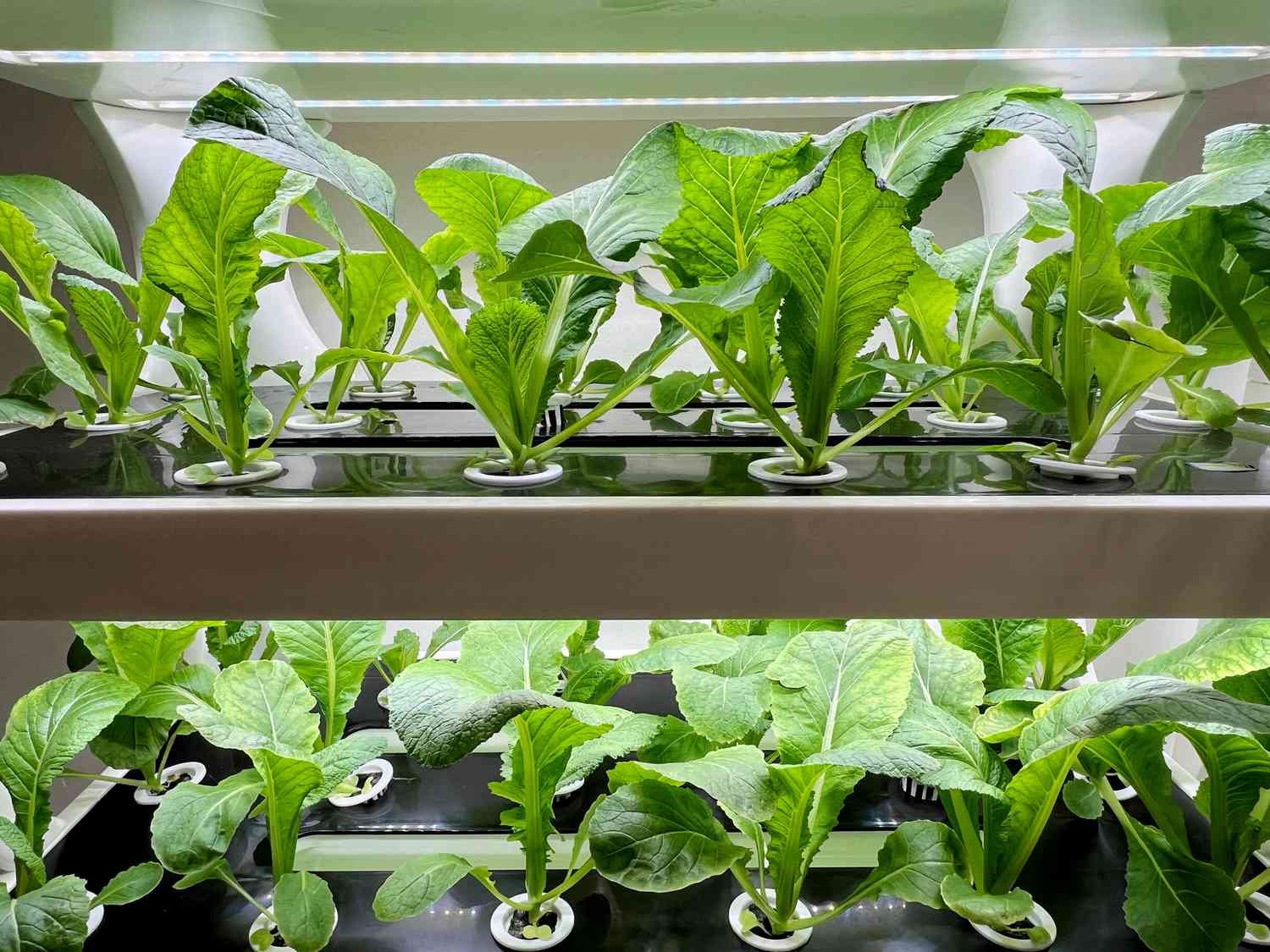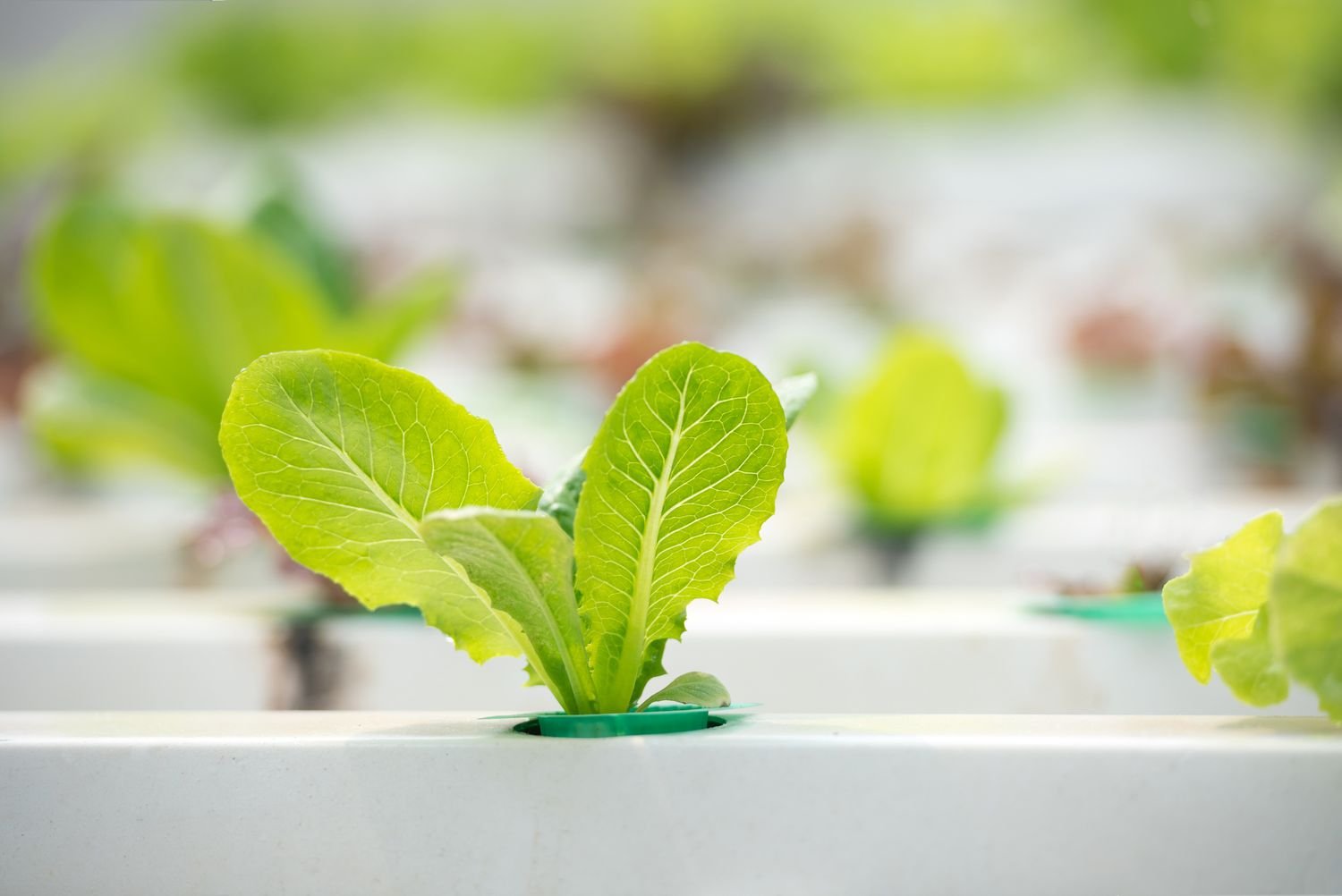
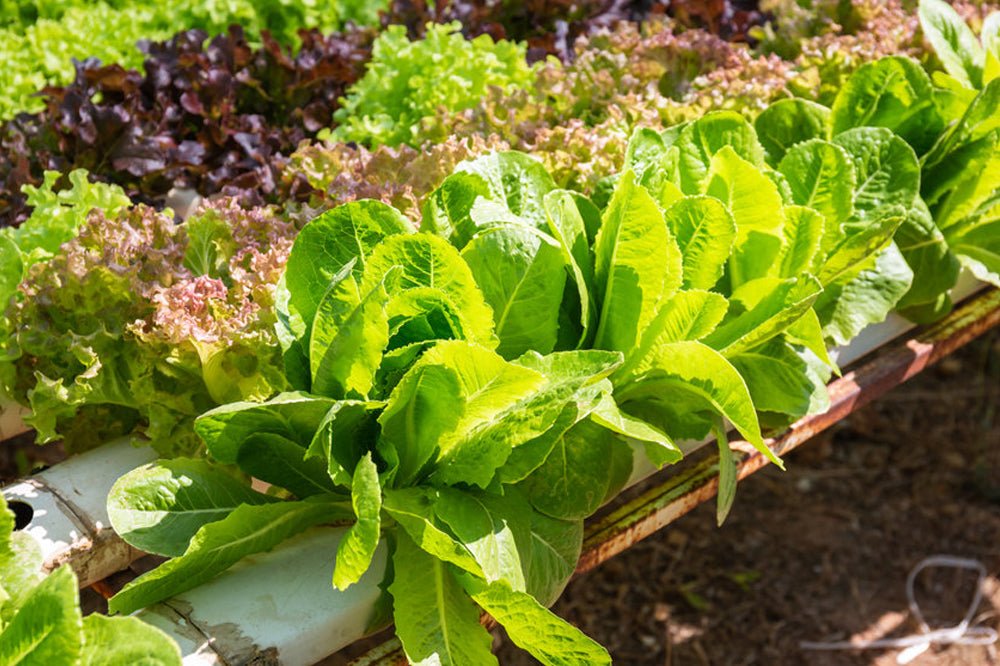
Hydroponic lights should be on for 14-16 hours daily during the vegetative stage. During the flowering stage, reduce to 10-12 hours
The vegetative stage requires longer light exposure, around 14-16 hours daily. Shortening light to 10-12 hours during flowering mimics natural conditions.
This adjustment is vital for optimal growth and development. Using timers helps maintain consistent light schedules. Consistency aids in preventing plant stress and promotes healthy growth. Understanding light duration is essential for successful hydroponic gardening. Effective lighting enhances plant health and productivity.
What Is Hydroponic Lighting?
Hydroponic lighting mimics sunlight for indoor plants. It provides the energy needed for photosynthesis. Different types of lights are used in hydroponics:
- LED lights: Energy-efficient and long-lasting.
- Fluorescent lights: Good for small setups.
- HID lights: High-intensity discharge for large systems.
Choosing the right light depends on the plant type and growth stage.
Importance Of Light In Hydroponics
Light is crucial for plant growth in hydroponics. It affects the following:
| Factor | Impact |
|---|---|
| Photosynthesis | Plants convert light into energy. |
| Growth Rate | Proper light speeds up growth. |
| Flowering and Fruiting | Correct light cycles trigger blooming. |
Plants need different light durations at various stages. Seedlings need 16-18 hours of light daily. Mature plants require 12-14 hours. Adjusting the light helps plants grow strong and healthy.
Types Of Hydroponic Lights
Hydroponic gardening is a method of growing plants without soil. The right light is crucial for plant growth in hydroponics. Different types of hydroponic lights offer unique benefits and challenges. Below, we explore three main types of hydroponic lights.
Led Lights
LED lights are efficient and long-lasting. They use less energy and produce less heat. This makes them safe and cost-effective. LED lights come in different colors for different plant needs. Red and blue LEDs are best for plant growth. They are also adjustable and can be dimmed or brightened.
Fluorescent Lights
Fluorescent lights are common in small hydroponic setups. They are affordable and easy to find. These lights work well for seedlings and young plants. Fluorescent lights produce less heat, which helps prevent plant burn. They also come in different shapes, like tubes and compact bulbs.
Hid Lights
HID lights are powerful and bright. They are great for larger hydroponic gardens. HID stands for High-Intensity Discharge. These lights can be of two types: Metal Halide (MH) and High-Pressure Sodium (HPS). MH lights are good for the vegetative stage, while HPS lights are better for flowering. HID lights need special fixtures and can get very hot. Make sure to use them with proper ventilation.
Light Duration For Different Plant Stages
Understanding the proper light duration for each plant stage is crucial in hydroponics. Plants need different amounts of light at different stages of growth. This can impact their health and yield.
Seedling Stage
During the seedling stage, plants are delicate. They need ample light to start their growth journey. Typically, seedlings need 16 to 18 hours of light each day. This mimics the long days of spring. Ensure the light is not too intense to avoid burning the tender seedlings.
Vegetative Stage
In the vegetative stage, plants grow leaves and stems. They need more light to fuel this growth. Aim for 18 to 24 hours of light daily. The extended light period encourages vigorous growth. Ensure you balance light intensity and duration for optimal results.
Flowering Stage
During the flowering stage, plants need a different light cycle. This stage requires 12 hours of light and 12 hours of darkness each day. This light cycle signals the plant to start flowering. It’s crucial to maintain this schedule for healthy blooms and fruit production.
| Plant Stage | Light Duration (Hours/Day) |
|---|---|
| Seedling Stage | 16 to 18 hours |
| Vegetative Stage | 18 to 24 hours |
| Flowering Stage | 12 hours light / 12 hours dark |
Factors Influencing Light Duration
Different plants and growth phases require specific light durations. Environmental conditions also play a significant role. Here, we explore these key factors in detail.
Plant Species
Different plant species have unique light requirements. Some plants need more light, while others need less. For example:
- Lettuce: Needs 10-14 hours of light daily.
- Tomatoes: Require 14-18 hours of light daily.
- Herbs: Generally need 12-16 hours of light daily.
Growth Phase
The growth phase of the plant affects light duration. Different stages need varying light amounts.
| Growth Phase | Light Duration |
|---|---|
| Seedling | 16-18 hours |
| Vegetative | 14-18 hours |
| Flowering | 10-12 hours |
Environmental Conditions
Environmental conditions can impact the light duration needed. Factors such as temperature, humidity, and natural light availability are important.
- Temperature: Warmer environments may need less artificial light.
- Humidity: High humidity can reduce light needs.
- Natural Light: Supplement artificial light based on available natural light.
Optimal Light Cycles
Understanding the optimal light cycles for hydroponic plants is crucial. Plants need light to grow and thrive. But how much light do they really need? This depends on the plant type and growth stage. Let’s explore the different light cycles used in hydroponics.
| Light Cycle | Duration (Light/Dark) | Best For |
|---|---|---|
| 18/6 | 18 hours light / 6 hours dark | Vegetative Stage |
| 12/12 | 12 hours light / 12 hours dark | Flowering Stage |
| 24-Hour | 24 hours light / 0 hours dark | Seedlings and Clones |

Credit: www.amazon.com
Common Mistakes To Avoid
Using hydroponic lights can be tricky. It’s important to avoid common mistakes. Here are some pitfalls to watch out for.
Overexposure
One common mistake is overexposure to light. Plants need rest too. Too much light can cause stress. This can lead to poor growth. Aim for 14-16 hours of light per day.
Use a timer. This helps keep the light schedule consistent. Overexposure can also dry out the plants. Keep an eye on them. Watch for signs of stress.
Underexposure
Underexposure is another issue. Plants need enough light to grow well. Too little light can stunt growth. Make sure your plants get at least 12 hours of light.
Check the light intensity. Sometimes, the light may be too weak. Adjust the distance between the light and the plants. Closer lights provide more intensity.
Inconsistent Lighting
Inconsistent lighting can confuse plants. They rely on steady light patterns. Irregular schedules can harm their growth cycle. Use a timer to keep it regular.
Inconsistent lighting can also affect flowering. Plants need consistent light and dark periods. Stick to a schedule for best results.
Keep your light schedule predictable. This promotes healthy growth.
Expert Tips For Efficient Lighting
Efficient lighting is key in hydroponics. Proper light management ensures plant health. Here are expert tips to help manage hydroponic lighting efficiently.
Using Timers
Timers automate your lighting schedule. They ensure plants get consistent light daily. Set the timer for 14-16 hours of light. Plants also need 8-10 hours of darkness. This mimics natural sunlight patterns. Timers reduce the risk of human error. They also save energy and time.
Adjusting Light Height
The light height is crucial. Lights too close can burn plants. Too far and plants stretch for light. Adjust the light height as plants grow. Generally, maintain 12-18 inches from the plant canopy. Use a light meter to measure intensity. Adjustments ensure optimal growth and yield.
Regular Monitoring
Monitor plants regularly for light stress signs. Yellowing leaves may indicate too much light. Stretched stems can mean insufficient light. Use a light meter to check intensity. Regular checks help adjust light settings promptly. Consistent monitoring ensures healthy plant growth.