Caring for indoor flowers can seem tricky at first. But with the right tips, it’s simple.
Indoor flowers brighten up any space. They add color and life to your home. Knowing how to care for them helps them thrive. Indoor flowers need specific care to stay healthy. This includes the right amount of water, light, and soil.
Each type of flower may have different needs. Understanding these needs is key to keeping your flowers vibrant. This guide will help you learn the basics. Soon, your indoor garden will be blooming beautifully. Ready to make your flowers flourish? Let’s get started!

Credit: www.reddit.com
Choosing The Right Flowers
Choosing the right flowers for your indoor space is essential. It ensures that your flowers thrive and add beauty to your home. Some flowers are easier to care for than others. Selecting the right ones can save you time and effort. Let’s explore some popular indoor varieties and the best flowers for beginners.
Popular Indoor Varieties
Many indoor flowers are popular due to their beauty and ease of care. Here are a few:
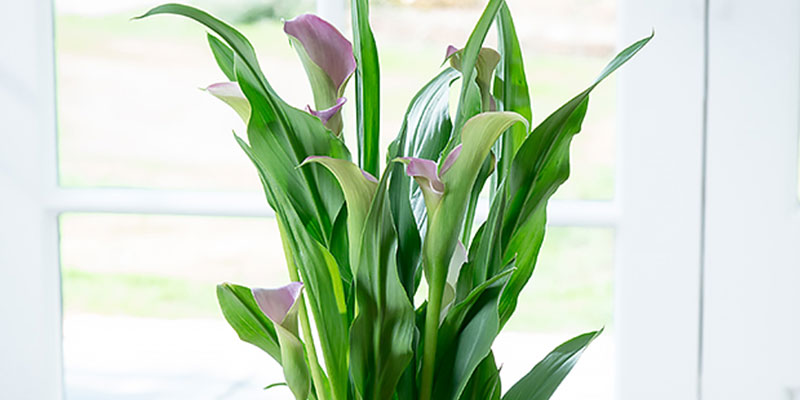
- Peace Lily: Known for its white blooms and air-purifying qualities.
- Orchid: Comes in various colors and can bloom for months.
- African Violet: Small, vibrant flowers that bloom year-round.
- Jade Plant: A succulent that is easy to maintain.
- Spider Plant: Features long, arching leaves and small white flowers.
Best Flowers For Beginners
If you are new to indoor gardening, start with these beginner-friendly flowers:
- Snake Plant: Hardy and can survive in low light.
- Pothos: Grows well in water and soil, very forgiving.
- ZZ Plant: Tolerates low light and infrequent watering.
- Philodendron: Thrives in various light conditions.
- Begonia: Colorful and does well in indirect light.
Choosing the right flowers can make indoor gardening enjoyable. You’ll have beautiful blooms with little effort. Start with popular or beginner-friendly varieties. Your home will soon be filled with vibrant, healthy flowers.
Credit: www.blossominggifts.com
Understanding Light Requirements
Understanding light requirements is crucial for the health of your indoor flowers. Light is essential for photosynthesis. This process helps plants produce the food they need. Different indoor flowers have varying light needs. Some thrive in bright, direct sunlight. Others prefer indirect or low light. Knowing the specific light requirements of your flowers can ensure they grow strong and vibrant.
Natural Light Needs
Natural light is the best source for indoor flowers. Place your plants near windows to maximize their exposure. South-facing windows usually receive the most sunlight. East and west-facing windows also provide good light but for shorter periods. North-facing windows receive the least amount of light. If you have low light, choose plants that thrive in such conditions. Monitor your plants regularly. If leaves turn yellow or become leggy, they might need more light.
Artificial Light Solutions
Not all indoor spaces have enough natural light. Artificial light can help in these situations. LED grow lights are a popular choice. They are energy-efficient and provide the right spectrum of light. Fluorescent lights are another option. They are affordable and effective for many indoor flowers. Position the lights close to the plants. Around 6 to 12 inches away is ideal. Use a timer to ensure plants get a consistent light cycle. Most indoor flowers need around 12 to 16 hours of light per day. Adjust the duration based on your plant’s specific needs.
Watering Techniques
Proper watering techniques are essential for keeping indoor flowers healthy and vibrant. Understanding the right time to water and the best methods to use can make a significant difference in the growth and longevity of your plants. This section will guide you through the basics of watering your indoor flowers effectively.
When To Water
Timing is crucial when it comes to watering indoor flowers. Overwatering can lead to root rot, while underwatering can cause wilting and poor growth. Here are some tips to determine the right time to water:
- Check the soil moisture. Insert your finger about an inch deep into the soil. If it feels dry, it’s time to water.
- Observe the plant. If the leaves start to droop or look dull, the plant might need water.
- Consider the season. Plants generally need more water during the growing season (spring and summer) and less during the dormant season (fall and winter).
Proper Watering Methods
The way you water your indoor flowers can affect their health. Here are some best practices for watering:
- Water thoroughly: Ensure water reaches the root zone. Pour water until it comes out of the drainage holes.
- Avoid waterlogging: Remove any excess water from the saucer to prevent root rot.
- Use the right tools: Use a watering can with a narrow spout for better control.
- Water at the base: Direct water at the soil surface. Avoid wetting the leaves to reduce the risk of fungal diseases.
- Room temperature water: Use water at room temperature to avoid shocking the plant’s roots.
By following these watering techniques, you can help your indoor flowers thrive and remain beautiful all year round.
Soil And Fertilization
Proper soil and fertilization are vital for indoor flowers. Both elements ensure your plants grow healthy and vibrant. Understanding how to choose the right soil and use the correct fertilizer types can make a significant difference.
Choosing The Right Soil
Choosing the right soil is crucial. Indoor flowers thrive in different soil types. Most indoor plants prefer well-draining soil. Well-draining soil prevents root rot. It also keeps the plant’s roots healthy. You can find various soil mixes in stores. Each mix serves a different purpose.
| Type of Plant | Recommended Soil |
|---|---|
| Cacti | Sandy soil mix |
| Orchids | Bark-based soil |
| Ferns | Peat-based soil |
Always check the specific needs of your plant. Using the wrong soil can stunt growth. Also, avoid garden soil for indoor plants. It often contains pests and diseases.
Fertilizer Types And Usage
Fertilizers provide essential nutrients. They ensure your indoor flowers stay healthy. There are different types of fertilizers. Each serves a unique purpose.
- Liquid Fertilizer: Easy to use. Mix with water. Ideal for regular feeding.
- Slow-Release Fertilizer: Releases nutrients over time. Reduces the need for frequent applications.
- Organic Fertilizer: Made from natural materials. Safe and eco-friendly.
Follow these steps to use fertilizer effectively:
- Read the fertilizer instructions.
- Measure the right amount.
- Apply during the growing season.
- Avoid over-fertilizing.
Over-fertilizing can damage your plants. Less is often more. Monitor your plants’ response. Adjust the amount as needed. Proper fertilization keeps your indoor flowers blooming.
Temperature And Humidity
Keeping indoor flowers healthy requires understanding their temperature and humidity needs. These factors greatly influence their growth and well-being.
Ideal Temperature Range
Most indoor flowers thrive in temperatures between 60°F and 75°F (15°C to 24°C). This range mimics their natural habitat, providing the warmth they need. Avoid placing plants near drafty windows or heating vents, as sudden temperature changes can harm them.
During winter, ensure the temperature does not drop below 50°F (10°C). In summer, keep it below 85°F (29°C). Consistency in temperature helps maintain plant health and growth.
Managing Humidity Levels
Indoor flowers generally prefer a humidity level of 40% to 60%. This range helps them retain moisture and prevents drying out. Low humidity can lead to brown leaf edges and poor growth.
Use the following tips to manage humidity levels:
- Place a humidifier near your plants.
- Group plants together to create a micro-environment.
- Use a humidity tray filled with water and pebbles.
Monitoring humidity with a hygrometer can ensure your plants are in the right environment.
Maintaining ideal temperature and humidity levels is crucial for indoor flower care. With these tips, you can create an environment where your plants will flourish.
Credit: www.youtube.com
Pruning And Maintenance
Pruning and maintaining your indoor flowers ensures they stay healthy and beautiful. Regular care prevents diseases and encourages new growth. Proper techniques and addressing common issues are key.
Pruning Techniques
Use clean, sharp scissors for pruning. Cut at a 45-degree angle. Remove dead or yellowing leaves. Trim spent blooms to encourage new flowers. Cut back long stems to promote bushier growth. Avoid over-pruning. It can stress the plant.
Dealing With Common Issues
Check for pests regularly. Look under leaves and on stems. Use insecticidal soap if needed. Watch for signs of overwatering. Yellow leaves or mold are indicators. Adjust watering schedule accordingly. Ensure your plant has enough light. Move it closer to a window if it looks leggy. Monitor for nutrient deficiencies. Pale leaves may mean a lack of nutrients. Use a balanced fertilizer as directed. Regularly inspect your plants. Quick action can prevent bigger problems.
Pest Control
Pest control is crucial for maintaining healthy indoor flowers. Pests can cause significant damage if left unchecked. Effective pest management ensures your plants thrive. Let’s explore how to identify and control common pests.
Identifying Common Pests
Recognizing pests early is key. Here are some common indoor plant pests:
- Aphids: Small, green, or black insects. They cluster on new growth.
- Spider Mites: Tiny, red or white. They spin webs on plants.
- Mealybugs: White, cotton-like masses. They appear on stems and leaves.
- Scale Insects: Hard, brown shells. They stick to leaves and stems.
- Fungus Gnats: Small, black flies. They hover around soil.
Natural And Chemical Solutions
There are various methods to control pests. You can choose natural or chemical solutions based on your preference.
Natural Solutions:
- Neem Oil: Mix with water. Spray on affected plants.
- Insecticidal Soap: Effective against soft-bodied insects.
- Diatomaceous Earth: Sprinkle on soil. It dehydrates pests.
- Beneficial Insects: Introduce ladybugs or predatory mites.
Chemical Solutions:
For severe infestations, chemical solutions may be necessary. Always follow the product’s instructions carefully.
- Systemic Insecticides: Absorbed by the plant. Kills pests feeding on it.
- Contact Insecticides: Directly sprayed on pests. Immediate action.
Repotting And Propagation
Repotting and propagation are essential parts of indoor flower care. Repotting gives your plants more space to grow. Propagation helps you multiply your plants. Both practices keep your indoor garden healthy and vibrant.
When To Repot
Indoor flowers need repotting when their roots outgrow the pot. Check if roots are visible through the drainage holes. Another sign is water draining too quickly. If the plant looks top-heavy, it may need a bigger pot. Repotting every one to two years is usually good. Choose a pot that is one size bigger than the current one.
Propagation Methods
Propagation allows you to grow new plants from your existing ones. There are several methods. The most common is stem cuttings. Cut a healthy stem, place it in water, and wait for roots to form. Another method is leaf cuttings. This works well for plants like succulents. Divide the plant by separating its roots and replanting them. This method works well for plants like snake plants. Each method has its own steps, so follow the specific needs of your plant.
Conclusion
Caring for indoor flowers is simple and rewarding. Water them regularly but don’t overwater. Ensure they get enough sunlight, but not direct sunlight. Rotate your plants for even growth. Use the right soil and fertilizers. Prune dead leaves to promote new growth.
Keep an eye out for pests and treat them promptly. With these tips, your indoor flowers will thrive. Remember, a little attention goes a long way. Enjoy your blooming indoor garden!