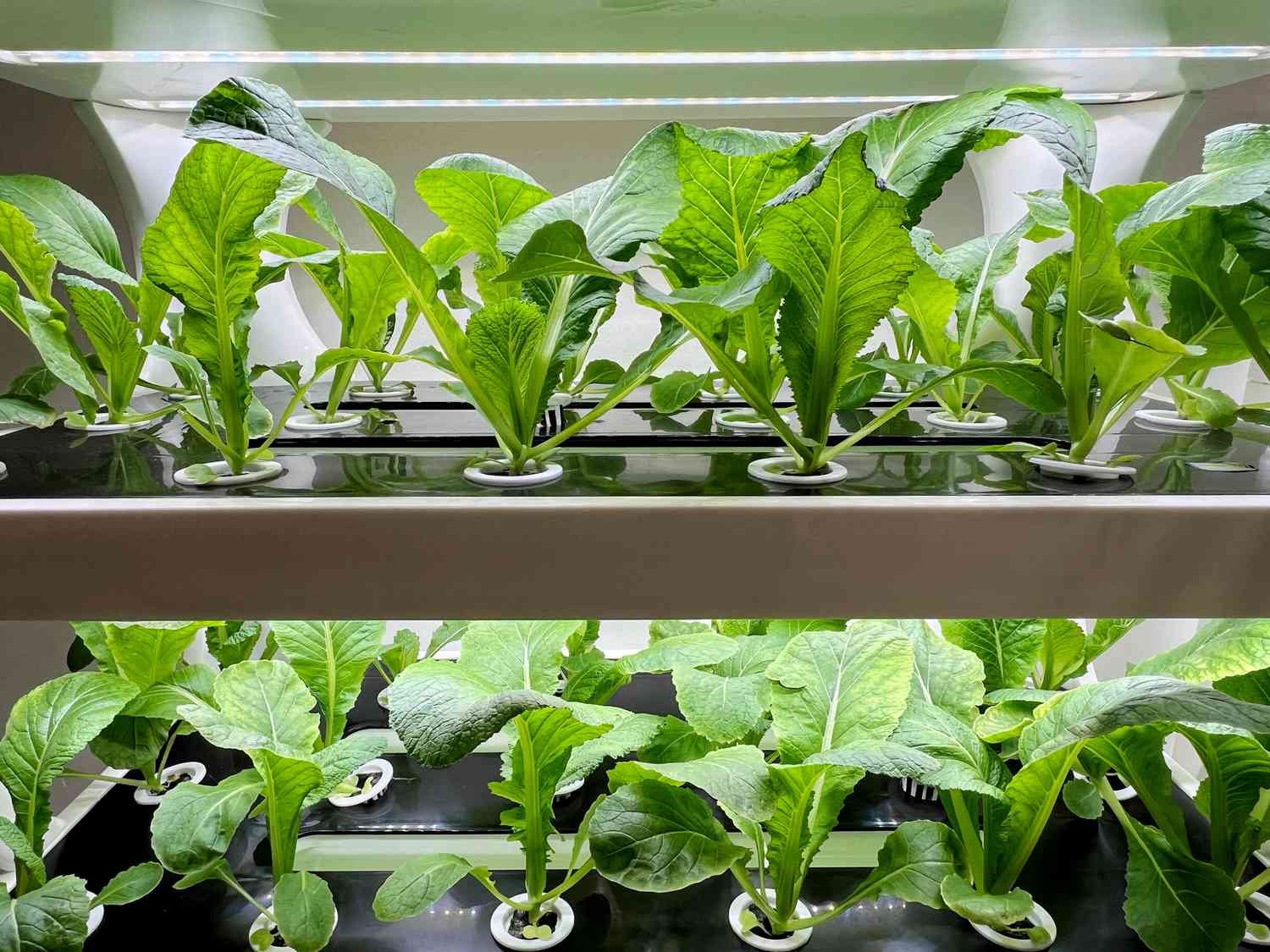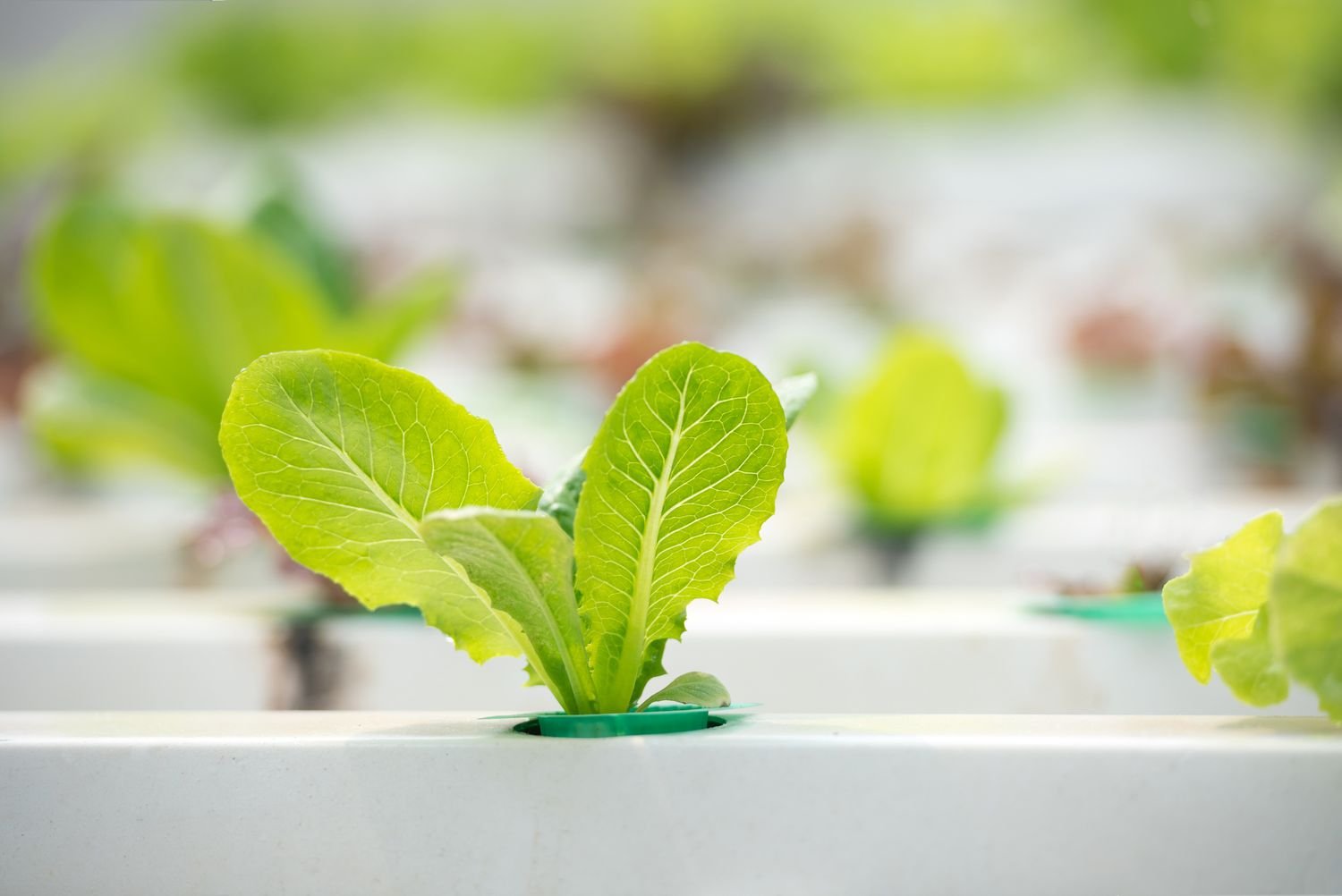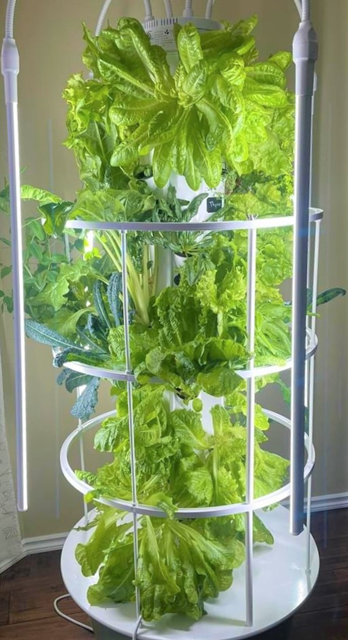

Hydroponics is a method of growing plants without soil. It uses water and nutrients to nourish plants directly.
This method is gaining popularity due to its efficiency and space-saving benefits. Imagine growing your favorite herbs, vegetables, and fruits right at home. Hydroponics allows you to do this, even in small spaces. It’s perfect for urban environments or places with limited garden areas.
With this method, plants often grow faster and healthier. You can enjoy fresh produce year-round. Starting with hydroponics might seem complex. But, it’s simpler than you think. Whether you’re a gardening newbie or an enthusiast, hydroponics opens up new possibilities. Dive into this exciting world, and discover how you can begin your own indoor garden today.
Introduction To Hydroponics
Welcome to the fascinating world of hydroponics, a gardening method that’s gaining popularity for its efficiency and innovation. If you’ve ever wondered how you can grow plants without soil, you’re about to discover a whole new approach to gardening. Imagine cultivating lush greens and vibrant vegetables in your own home, even if you live in an apartment or have limited outdoor space. Hydroponics makes it possible, and it’s easier than you might think.
What Is Hydroponics?
Hydroponics is a method of growing plants using nutrient-rich water instead of soil. The roots are submerged in water that contains all the essential minerals plants need to thrive. This technique allows you to control the growing environment more precisely. You decide the nutrient mix, water levels, and light exposure. It’s like having a mini farm in your living room.
Imagine growing fresh tomatoes or crisp lettuce without ever having to dig in the dirt. The process is clean and efficient. You can even set up a system that automatically waters and feeds your plants, making it a perfect solution for busy lifestyles. Curious about trying it out? You might be surprised by how much you can grow in a small space.
Benefits Of Soil-free Gardening
Hydroponics offers a range of benefits that traditional gardening can’t match. First, it reduces the risk of pests and diseases that thrive in soil. Your plants can grow healthier and faster. Second, it uses less water than soil gardening. The water in a hydroponic system recirculates, minimizing waste.
Think about the convenience of having fresh produce at your fingertips. No more last-minute runs to the grocery store. Plus, hydroponic systems can be set up indoors, allowing year-round gardening regardless of weather conditions. The space-saving nature of hydroponics means you can grow vertically, maximizing the use of your space. Why not give it a try and see how it transforms your gardening experience?
Essential Hydroponic Systems
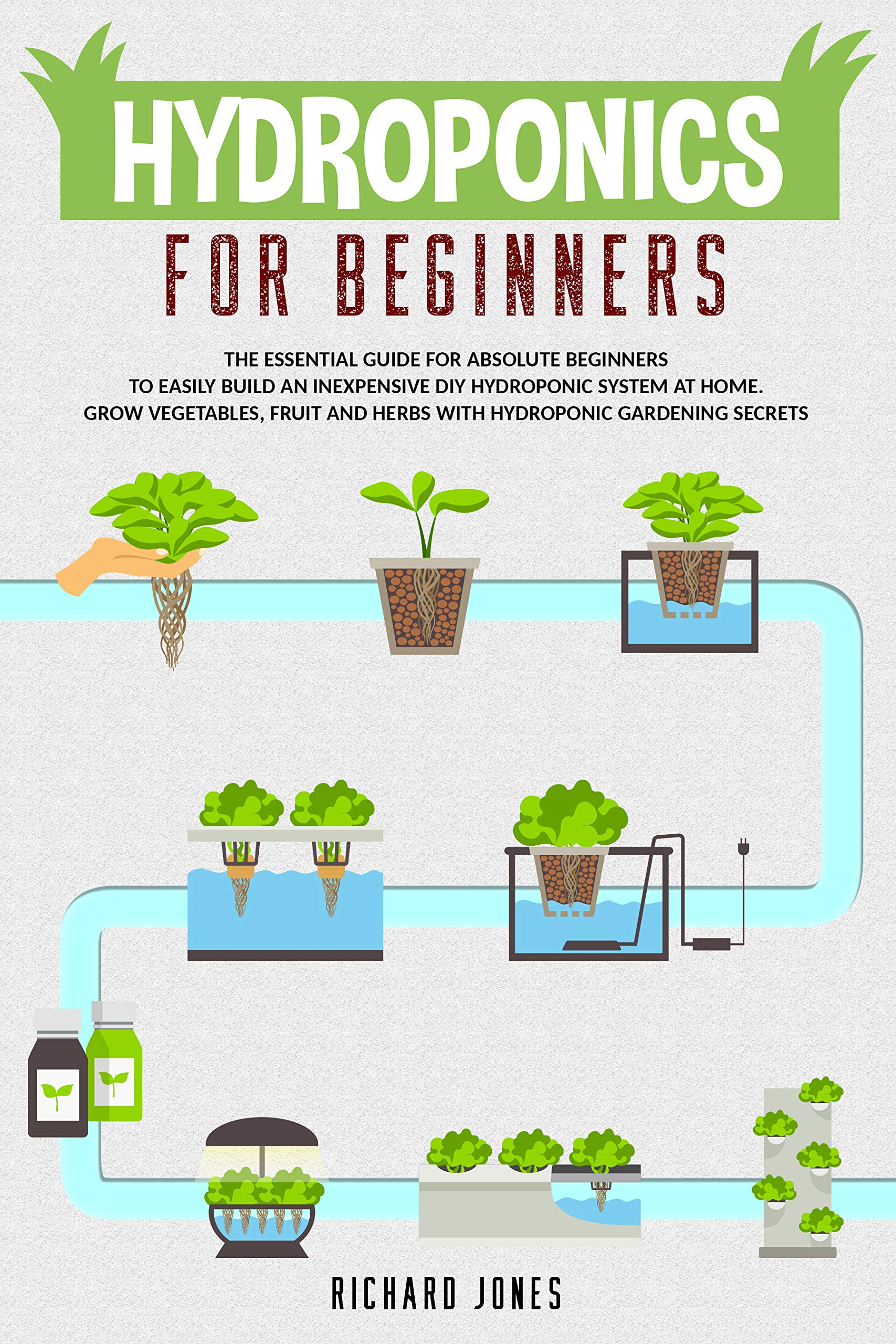
Hydroponics offers a fascinating way to grow plants without soil. It provides an innovative solution for urban gardening and small spaces. For beginners, understanding different hydroponic systems is crucial. Each system has unique features and benefits. Familiarizing yourself with them helps you choose the right one. Let’s explore two essential systems to get you started.
Wick System Basics
The wick system is the simplest hydroponic setup. It requires minimal effort and resources. This system uses capillary action to deliver nutrients. A wick connects the nutrient solution to the plant roots. No pumps or electricity are needed. It’s perfect for small plants like herbs and lettuce. The wick system is ideal for beginners wanting a low-maintenance method.
Nutrient Film Technique
The Nutrient Film Technique (NFT) is another popular choice. It involves a shallow stream of nutrient-rich water. This stream flows over the plant roots. Roots absorb nutrients efficiently with this constant flow. The NFT system suits plants with small root systems. Leafy greens and herbs thrive well here. It requires a pump for the water flow. Regular maintenance ensures success with this system.
Choosing The Right Plants
Starting with hydroponics can be both exciting and overwhelming. Choosing the right plants is crucial for success. Beginners should focus on plants that thrive in hydroponic systems. Some plants are easier to manage and provide rapid results.
Best Plants For Beginners
Leafy greens are perfect for starting hydroponics. Lettuce grows quickly and is forgiving. Spinach and kale are also great choices for beginners. These plants adapt well to hydroponic conditions and require minimal maintenance.
Herbs like basil, mint, and cilantro are ideal. They grow fast and are frequently used in cooking. Their small size fits easily into hydroponic setups. Tomatoes and peppers can be slightly challenging but rewarding. Choose dwarf varieties for better results.
Seasonal Considerations
Consider the seasons when selecting plants. Some plants prefer cooler temperatures. Lettuce and spinach grow best in spring or fall. Warm-season plants like tomatoes thrive in summer.
Indoor hydroponics allows year-round growth. Adjust lighting and temperature to mimic ideal conditions. Monitor plant health and adjust as needed. Seasonal shifts can impact growth rates.
Understanding plant preferences helps maximize success. Select plants based on climate and available resources. Adaptability is key to thriving hydroponic gardens.
Nutrient Solutions Explained
Hydroponics offers a simple way to grow plants without soil, perfect for beginners. Nutrient solutions provide essential minerals directly to plant roots. Understanding these solutions ensures healthy and fast plant growth.
Hydroponics offers an exciting way to grow plants without soil, but understanding nutrient solutions is crucial for your success. Nutrient solutions are the lifeblood of your hydroponic garden, providing essential minerals that plants need to flourish. Without these solutions, your plants may struggle, showing signs of nutrient deficiencies like yellowing leaves or stunted growth. So, what exactly goes into these nutrient solutions, and how can you ensure your plants get everything they need? Let’s dive in.Essential Nutrients For Growth
Plants require a balanced diet just like humans do. In hydroponics, this means providing a mix of macro-nutrients and micro-nutrients. Macro-nutrients include nitrogen, phosphorus, and potassium—often referred to as NPK. These are needed in larger amounts and play key roles in plant growth. Nitrogen promotes leafy growth, phosphorus supports root and flower development, and potassium enhances overall plant health. Micro-nutrients, such as calcium, magnesium, and iron, are needed in smaller amounts. However, they are equally vital. Calcium strengthens cell walls, magnesium aids in photosynthesis, and iron is crucial for enzyme functions. Have you ever noticed plants looking weak despite regular watering? It might be missing these vital nutrients.Mixing Your Own Solutions
Creating your own nutrient solution can be a rewarding experience. It allows you to tailor the mix to your specific plants’ needs. Start with a basic hydroponic nutrient mix available at most gardening stores. Follow the instructions carefully, as the right concentration is key. Too much can burn your plants, while too little may leave them hungry. You can also customize your mix by adding specific nutrients. Observing plant behavior can guide you. If leaves are turning yellow, it might be a nitrogen deficiency. A simple fix can make a big difference. Don’t hesitate to experiment. Keep a journal of what works and what doesn’t. This personal touch can turn your hydroponic garden into a thriving ecosystem. Are you ready to mix your own solution and see the magic happen? It’s easier than you think and the results can be truly rewarding. Engage with your plants, and they will show you what they need.Lighting And Environment
Lighting and environment play crucial roles in hydroponics. The right setup ensures healthy plant growth. Beginners often find these elements challenging. This section will explore basic lighting options and environmental controls. Understanding these can make hydroponics easier.
Led Vs. Fluorescent Lights
LED lights are energy-efficient. They produce less heat and last longer. LEDs offer adjustable light spectrums. This flexibility supports various plant growth stages. Fluorescent lights are affordable and easy to find. They are ideal for small setups. They provide a broad light spectrum but generate more heat.
Temperature And Humidity Control
Temperature impacts plant growth. Maintain a stable range for optimal results. Most plants thrive between 65°F and 75°F. Humidity affects nutrient absorption. Keep humidity levels between 50% and 70%. Use fans to circulate air. This prevents mold and improves plant health. Monitoring devices help maintain stable conditions.
:max_bytes(150000):strip_icc()/beginners-guide-to-hydroponics-1939215-03-fbbe101542f94bbf8a6cbcf242117ecb.jpg)
Credit: www.thespruce.com
Building Your Hydroponic Setup
Building your hydroponic setup is an exciting step in your journey to growing plants without soil. It might feel overwhelming at first, but breaking it down into manageable parts makes it easier. You’ll decide between DIY setups and store-bought kits, and you’ll need to think about where to put your system. Let’s dive into these crucial aspects to help you get started.
Diy Vs. Store-bought Kits
Choosing between DIY and store-bought kits is like deciding between crafting your own piece of art or buying one. DIY setups offer flexibility and the joy of creating something unique. You can tailor it to your space and budget. Imagine using everyday items like plastic containers and PVC pipes to build your system. It’s challenging but rewarding.
On the other hand, store-bought kits simplify the process. They come with everything you need and detailed instructions, perfect for beginners who want to avoid the hassle of sourcing materials. Kits range from basic to advanced, offering options for different skill levels. Consider your comfort with assembling and your willingness to experiment.
Space And Location Tips
Your hydroponic system needs a home that supports growth. Think about the amount of space you have available. Hydroponics can fit in small apartments or larger gardens, so assess your area wisely. Is there a spot that gets enough light but stays cool?
Consider the accessibility of water and electricity. Your system will need frequent monitoring and adjustments. A setup near utilities saves time and effort. Reflect on noise and ventilation, as some systems might hum or need airflow. Where will you feel relaxed checking on your plants?
Find a space that inspires you. Whether it’s a corner in your living room or a sunny nook in the kitchen, choose a location that makes caring for your plants enjoyable. Think of a space where you’ll naturally spend time, ensuring you don’t forget about your green friends.
Maintenance And Troubleshooting
Hydroponics beginners often face challenges in maintenance and troubleshooting. Regularly check water levels and nutrient balance for healthy plant growth. Identifying pests early can prevent damage to crops and improve yield.
Maintaining a hydroponic system might seem daunting at first, but with a little guidance, you can manage it like a pro. Troubleshooting is part of the learning curve and can be quite rewarding. With the right tips, you’ll ensure your plants thrive and your system runs smoothly.Common Plant Issues
Even in a controlled environment like hydroponics, plants can face issues. Yellowing leaves often signal nutrient deficiencies. It might mean your plants need more nitrogen or magnesium. Wilting or stunted growth could indicate root problems. Check for root rot, which occurs when roots are too wet or lack oxygen. Make sure your system has proper drainage and aeration. Pests can sneak in even indoors. If you notice tiny bugs or holes in leaves, act quickly. Neem oil or insecticidal soap can help control infestations.System Maintenance Tips
Regular maintenance keeps your hydroponic system in top shape. Check your pH levels daily. Most plants prefer a pH between 5.5 and 6.5. Adjust with pH up or down solutions as needed. Cleanliness is crucial. Algae can build up in water or on surfaces. Scrub your system and change the water every couple of weeks to prevent this. Inspect your pumps and tubing for blockages. I once noticed a drop in water flow, only to find a small piece of debris clogging the pump. A quick check saved my plants from dehydration. How often do you tune-up your system? Frequent inspections can prevent small issues from becoming big problems. Keep a log of your maintenance activities to track what works best for you. Engage with your hydroponic system as you would with a garden. Be observant, proactive, and ready to learn. What’s your next step in mastering hydroponics?
Credit: www.advancednutrients.com
Harvesting And Beyond
Hydroponics offers a unique way to grow plants without soil. Once you’ve set up your system, it’s exciting to reach the harvesting stage. Knowing when to harvest and how to expand your garden can maximize your yields. Let’s explore the basics of harvesting and the journey beyond.
When To Harvest
Timing is crucial for a successful harvest. Watch your plants closely. Look for signs that they’re ready. Different plants have different indicators. Leafy greens may be ready in a few weeks. Tomatoes and peppers take longer. Check for color and size. Feel for firmness. Taste a small piece. This helps ensure peak flavor.
Keep an eye on growth patterns. Track how long plants have been growing. Use this information as a guide. Harvesting too early can reduce flavor. Waiting too long can affect texture. Find the balance for best results.
Expanding Your Garden
Once comfortable with harvesting, consider expanding your garden. Start with simple additions. Try adding different types of plants. Explore herbs, fruits, or flowers. This keeps your garden diverse. It also helps improve your skills.
Think about your space. Use vertical gardening techniques. This maximizes your growing area. Create layers of plants. Use shelves or hanging pots. It’s a great way to grow more without needing more space.
Focus on your system. Maintain it well. Check for proper water flow and nutrient levels. Regular maintenance ensures healthy growth. This is key to expanding successfully.
Credit: www.goodreads.com
Frequently Asked Questions
Is Hydroponics Easy For Beginners?
Hydroponics can be easy for beginners with the right guidance. Start with simple systems and learn basic principles. Online resources, tutorials, and community forums are helpful. Choose easy-to-grow plants like lettuce and herbs. With practice, beginners can achieve success in hydroponics.
What Are The 5 Disadvantages Of Hydroponics?
Hydroponics can be costly due to equipment expenses. Systems require electricity, increasing energy costs. Nutrient management demands precision and expertise. Limited crop variety restricts growth options. Vulnerable to power outages affecting plant health.
What Are Three Plants That Are Not Recommended For Hydroponics?
Potatoes, carrots, and onions are not ideal for hydroponics. These root vegetables require soil to develop properly and thrive. Hydroponic systems lack the necessary space and support for root expansion, making them unsuitable for these plants. Choose crops that grow well in nutrient-rich water environments instead.
How To Start Hydroponics At Home For Beginners?
Begin by researching hydroponic systems and choosing a suitable one. Gather essential supplies like grow lights and nutrients. Select easy-to-grow plants such as lettuce or herbs. Set up your system in a location with adequate light and ventilation. Regularly monitor and adjust nutrient levels for healthy plant growth.
Conclusion
Starting hydroponics is simple and rewarding. Enjoy fresh produce year-round. No soil means less mess. Plants grow faster and healthier. You can start small at home. Choose easy plants like lettuce and herbs. Learn as you grow. Experiment with different setups.
Watch your plants thrive. Share your experience with friends and family. Hydroponics brings nature indoors. It’s a fun hobby for all ages. Relax and enjoy growing food. Get started today and see the benefits. Hydroponics is a great way to connect with nature.
Dive into this green journey. Your plants will thank you.