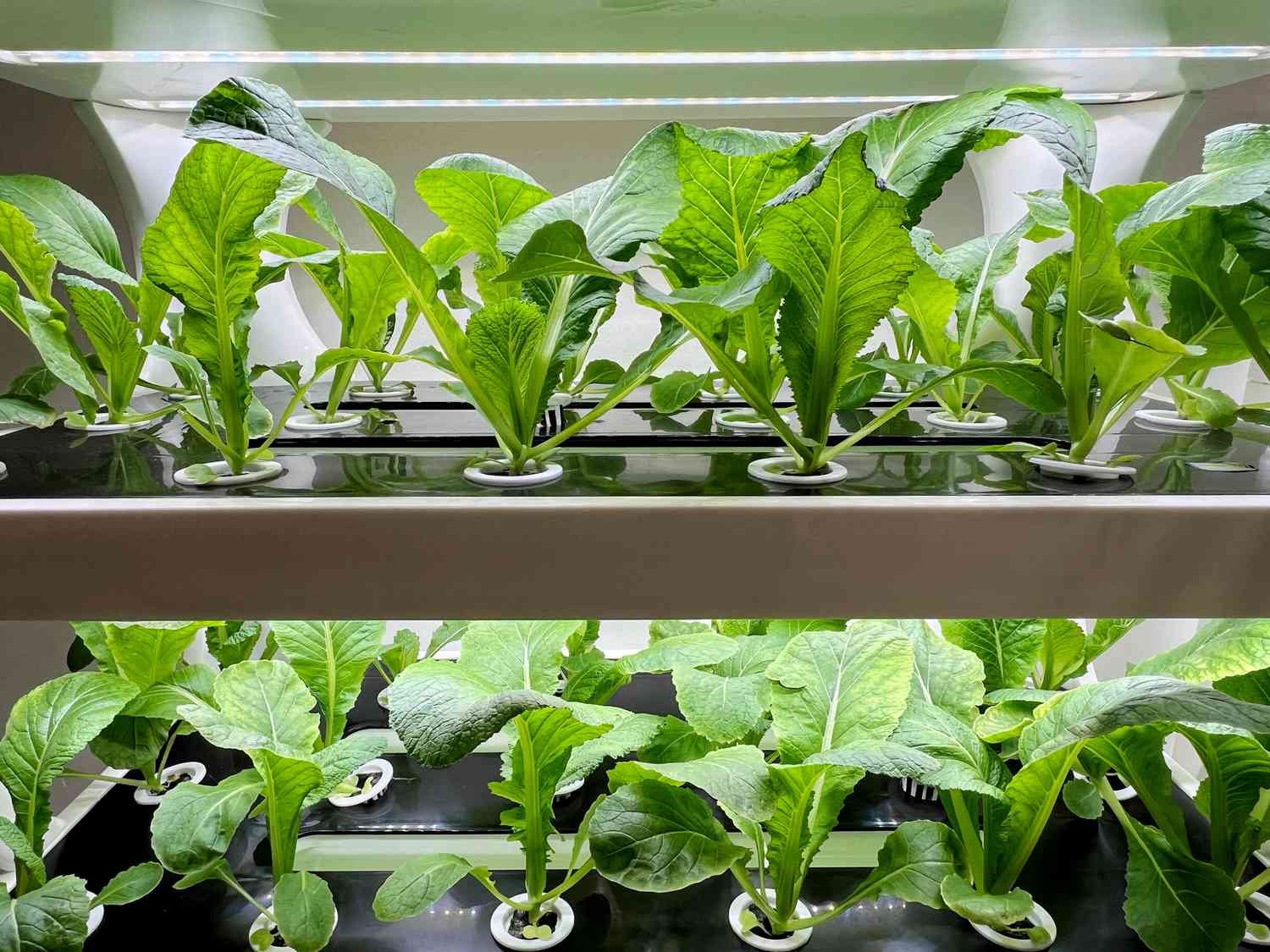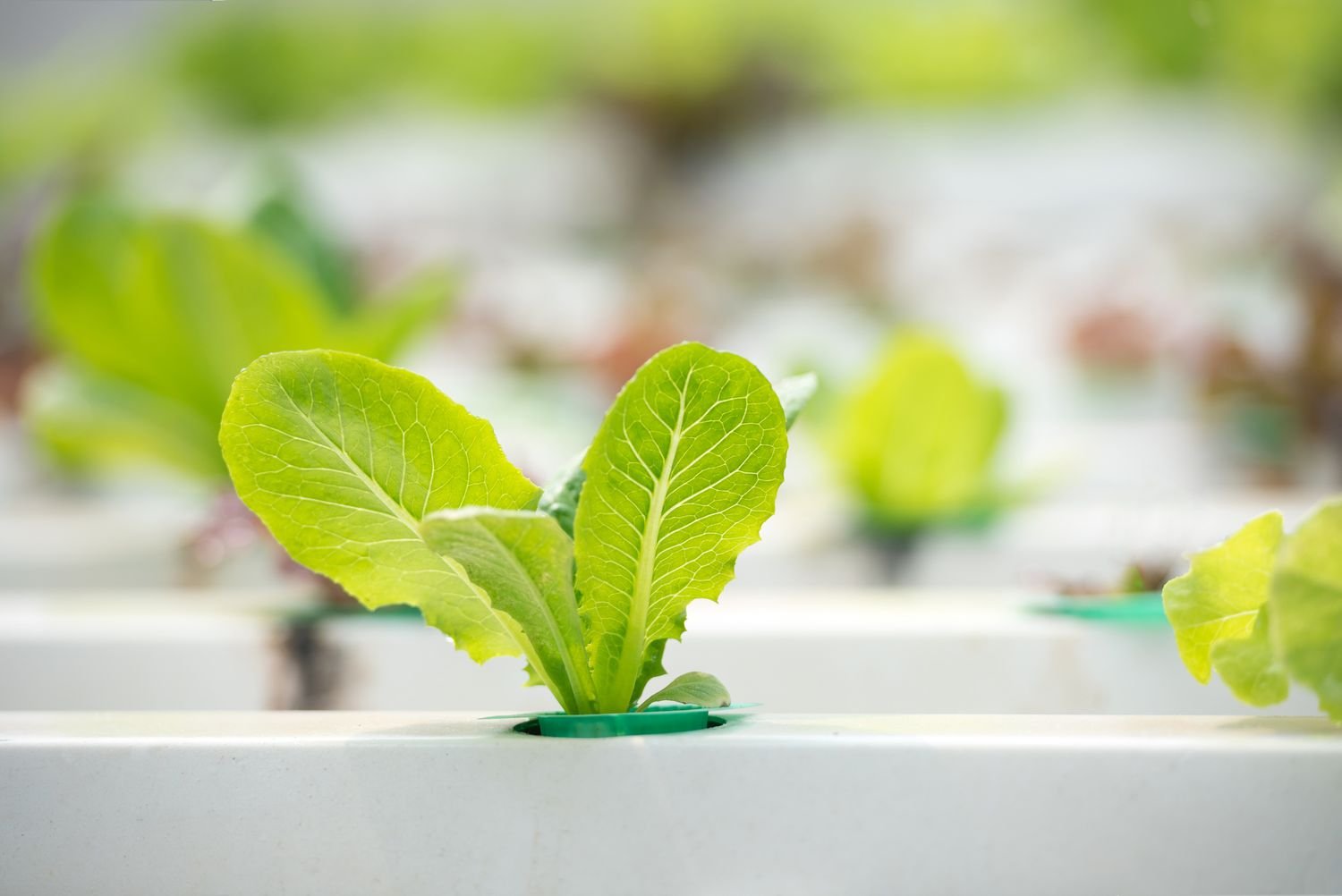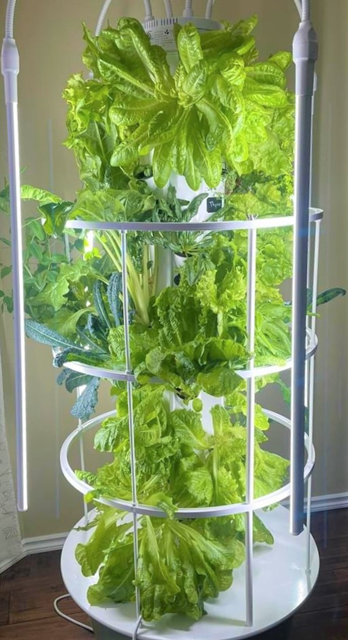

Hydroponics towers are vertical systems for growing plants without soil. They use water, nutrients, and a growing medium to support plant growth.
These towers are popular for urban gardening and small spaces. They offer efficient use of resources and can produce high yields. Imagine growing fresh herbs and vegetables right in your apartment. Hydroponics towers make this possible. They are perfect for people with limited space.
You don’t need a big backyard or garden. These towers use less water than traditional gardening methods. Plus, they can grow plants faster and healthier. The concept of vertical gardening is gaining popularity. It’s a sustainable way to grow food at home. Hydroponics towers are easy to set up and maintain. They are ideal for beginners and experienced gardeners alike. Get ready to explore the world of hydroponics towers!
Introduction To Hydroponics
Hydroponics is rapidly transforming how we grow plants. Picture vibrant greens sprouting in vertical towers without soil. It’s not science fiction; it’s hydroponics. This innovative method opens doors to sustainable agriculture, especially in urban settings. Let’s delve into the basics and benefits of hydroponics.
What Is Hydroponics?
Hydroponics is a method of growing plants using nutrient-rich water instead of soil. You simply plant seeds in a water-based solution. Nutrients are added directly to the water, allowing plants to absorb them efficiently. Hydroponics can be set up anywhere – indoors or outdoors – making it ideal for urban gardening.
Imagine growing basil and lettuce in your apartment without a backyard. A hydroponics tower makes it possible. The system ensures plants receive consistent nutrients and water. This eliminates the guesswork involved in traditional gardening.
Benefits Of Hydroponics
Hydroponics offers numerous benefits. First, it saves space. You can grow vertically, stacking layers of plants. This is perfect for city dwellers with limited space.
Second, it uses less water. Hydroponics recirculates water, reducing waste. It’s an eco-friendly option that conserves precious resources.
Third, you enjoy faster growth. Plants get nutrients directly, resulting in quicker yields. Imagine harvesting fresh veggies weeks earlier than expected.
Finally, hydroponics reduces pest problems. Without soil, many common pests can’t thrive. This means fewer chemicals and healthier produce. Do you want a garden that’s efficient and sustainable? Hydroponics might be your answer.

Credit: www.amazon.com
Urban Gardening Challenges
Urban gardening presents unique challenges for city dwellers. Limited space and poor soil quality often hinder successful plant growth. Hydroponics towers offer solutions to these common issues. They allow city gardeners to grow fresh produce with ease.
Space Limitations
Space is a major hurdle in urban gardening. Balconies and small patios are common gardening areas. Traditional methods require more room than available. Hydroponics towers use vertical space effectively. They allow multiple plants to grow in a small footprint. This method maximizes limited urban spaces.
Soil Quality Issues
Urban areas often have poor soil. Contaminants and lack of nutrients affect plant health. Hydroponics eliminates the need for soil. Plants grow in nutrient-rich water instead. This ensures optimal plant growth without soil concerns. Hydroponics towers provide a clean, efficient solution.
Hydroponics Tower Basics
Are you curious about growing plants without soil? Hydroponics towers might be your answer. They offer an innovative way to cultivate a variety of plants, right in your living room or backyard. These vertical gardens maximize space and simplify maintenance, making them perfect for urban dwellers and gardening enthusiasts alike.
Design And Structure
A hydroponics tower is essentially a vertical stack of containers filled with nutrient-rich water. Picture a tall column with multiple slots or pockets where plants grow. These towers can be sleek, modern structures or simple DIY builds using PVC pipes. The design allows you to grow more plants in a limited space, turning small areas into lush, green gardens.
Imagine walking into your home and being greeted by a tower of fresh basil, lettuce, and strawberries. The vertical design not only saves space but also adds a touch of nature to your decor. The structure is usually lightweight, easy to set up, and can be adjusted to fit your needs.
How It Works
Hydroponics towers work by circulating nutrient-rich water to the plant roots. You don’t need soil; instead, the roots are suspended in air, receiving nutrients directly from the water. This method accelerates growth, producing healthier plants faster than traditional gardening.
A pump moves water from the base to the top, creating a continuous flow down the tower. This ensures all plants receive equal nutrition. Have you ever wondered how to grow your favorite herbs and veggies indoors? Hydroponics towers make it possible, even in the smallest apartments.
Why not start your hydroponic journey today? With a tower, you can enjoy fresh produce year-round. They’re easy to maintain, and the rewards are delicious. What will you grow first?
Advantages Of Hydroponics Towers
Hydroponics towers are gaining popularity in urban gardening. These vertical gardening systems offer numerous benefits. They are ideal for small spaces and resource conservation. Let’s explore some key advantages.
Space Efficiency
Hydroponics towers maximize space usage. Traditional gardens need large areas. Towers grow plants vertically. They are perfect for apartments and small homes. You can grow more plants in less space. They are a great solution for urban areas.
Water Conservation
Hydroponics towers use less water than soil gardening. The system recirculates water. It reduces waste and conserves resources. This is crucial in areas with water scarcity. Towers help save water while growing healthy plants. They are an eco-friendly choice for modern gardeners.
Setting Up A Hydroponics Tower
Hydroponics towers offer a space-saving way to grow plants. They use water and nutrients instead of soil. Setting one up can seem daunting. But with the right steps, it becomes easy. This guide will walk you through the process.
Essential Materials
First, gather all the necessary materials. You’ll need a tower structure. Choose between PVC pipes or a pre-made tower kit. Both work well for beginners. You’ll also need a water pump. This circulates the nutrient solution. A reservoir tank will store the water. Make sure it’s large enough for your tower. Purchase a nutrient solution. This feeds your plants. Get grow cups or net pots. These hold your plants securely. Also, have some seeds or seedlings ready. Pick plants that thrive in hydroponics.
Step-by-step Guide
Start by assembling the tower structure. If using PVC pipes, connect them securely. Check for leaks. Place the reservoir tank at the base. Connect the water pump to the reservoir. Attach tubing from the pump to the tower. Ensure the pump can circulate water efficiently. Insert grow cups into the tower slots. Fill each cup with growing medium. Place seeds or seedlings in the cups. Mix the nutrient solution in the reservoir. Follow the instructions on the nutrient package. Turn on the water pump. Adjust the flow for steady circulation.
Monitor plant growth daily. Check water levels regularly. Refill as needed. Adjust the nutrient mix if plants show signs of stress. Ensure all parts are functioning well. Clean the system monthly. This prevents blockages and ensures healthy growth.

Credit: gnhydroponic.en.made-in-china.com
Choosing Plants For Hydroponics
Explore the versatility of a hydroponics tower by selecting leafy greens like lettuce and spinach. These plants thrive in vertical systems due to their compact growth and light requirements. Basil and mint also flourish, adding fresh flavors to your kitchen without soil.
Choosing the right plants for your hydroponics tower can be a game-changer in your gardening journey. Whether you’re a beginner or seasoned gardener, selecting plants that thrive in a soil-free environment is crucial. The choice determines not only the success of your harvest but also the joy of seeing your plants flourish. Let’s dive into the best options for both newcomers and those looking for a more challenging experience.Best Plants For Beginners
Starting with easy-to-grow plants can boost your confidence as a hydroponics gardener. Lettuce, spinach, and herbs like basil or mint are fantastic choices. They grow quickly and require minimal maintenance. Lettuce is forgiving; it thrives in various conditions and offers a quick turnaround. Spinach grows rapidly, allowing you to enjoy fresh greens in just a few weeks. Herbs such as basil and mint add flavor to your dishes and don’t demand much attention. Imagine the satisfaction of plucking fresh basil leaves for your homemade pizza. It’s a rewarding experience that makes your effort worthwhile. Plus, these plants can teach you the basics of hydroponics without overwhelming you.Advanced Plant Options
Once you’ve mastered the basics, it’s time to challenge yourself with more demanding plants. Tomatoes, peppers, and strawberries can be exciting to grow in a hydroponics tower. They require careful monitoring but offer delicious rewards. Tomatoes need support as they grow, and controlling their environment is key to their success. Peppers demand consistent nutrient levels but reward you with vibrant colors and flavors. Strawberries can be tricky, but their sweet yield is worth the effort. Are you ready for the thrill of harvesting your own juicy tomatoes? Advanced plants push you to refine your skills, making gardening an ever-evolving adventure. They test your patience and precision, but the satisfaction of a successful harvest is unparalleled. Choosing plants for hydroponics is an exciting journey of trial and triumph. Each choice you make shapes your experience and results. What will you grow next?Maintenance Tips
Keep your hydroponics tower thriving by regularly checking water levels and ensuring proper pH balance. Clean the system to prevent algae growth and maintain nutrient solution freshness. Regularly inspect plant roots for signs of disease to ensure healthy growth.
Hydroponics towers offer a fascinating and efficient way to grow plants without soil. However, maintaining these systems requires attention and care. By focusing on essential maintenance tips, you can ensure your hydroponics tower remains productive and healthy. From managing nutrient solutions to controlling pests and diseases, each step is crucial. Let’s dive into practical insights that will keep your hydroponics tower thriving.Nutrient Solutions
Keeping your nutrient solution in check is vital for plant health. Ensure you’re regularly testing the pH level. A pH level of 5.5 to 6.5 is ideal for most plants. Adjust the nutrient concentration according to your plants’ growth stage. Young seedlings need a gentler mix, while mature plants require more robust nutrients. Change the nutrient solution every two weeks. This prevents nutrient buildup and ensures fresh supplies for your plants.Pest And Disease Control
Pests and diseases can quickly impact your hydroponics system. Regularly inspect your plants for any signs of trouble, like yellowing leaves or unusual spots. Introduce beneficial insects like ladybugs to naturally control pests. They can be an effective ally in keeping your plants safe. Maintain cleanliness in your tower by sterilizing tools and containers. A clean environment reduces the risk of disease spreading. Have you ever noticed how a small change can make a big difference? A simple adjustment in the nutrient solution or a quick check for pests can save your entire crop. Being proactive with maintenance not only saves you time and effort but ensures a bountiful harvest. What small steps will you take today to optimize your hydroponics tower?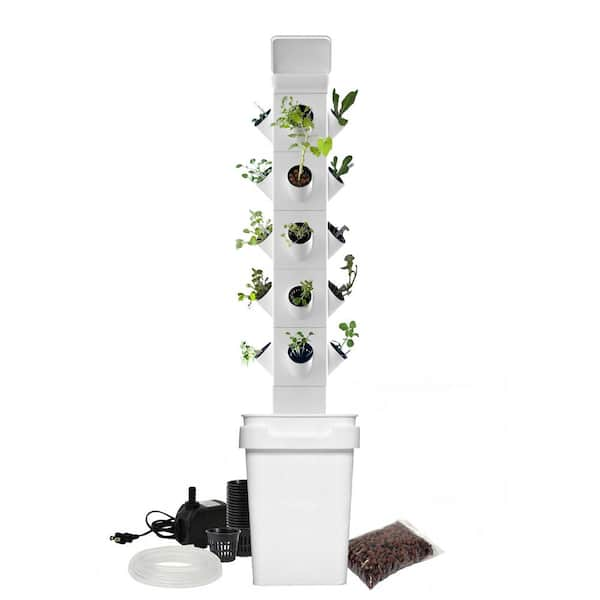
Credit: www.homedepot.com
Future Of Urban Gardening
The future of urban gardening is transforming cityscapes across the globe. More people are embracing green spaces within urban environments. Hydroponics towers are leading this change. They offer efficient ways to grow plants in tight spaces. This method doesn’t require soil, making it ideal for urban settings. As cities grow, sustainable gardening solutions become crucial. Hydroponics towers provide an innovative answer to urban challenges.
Trends In Hydroponics
Hydroponics is gaining popularity for its space-saving features. Urban dwellers can grow fresh produce at home. This trend reduces the need for traditional gardening space. Vertical gardens are becoming common in city apartments. They use hydroponic systems to maximize plant growth. Hydroponics towers are the centerpiece of this movement. They offer a practical solution for urban gardening needs.
Sustainability And Innovation
Hydroponics towers promote sustainable urban gardening practices. They use less water compared to soil gardening. This makes them environmentally friendly. Innovation in hydroponics technology is ongoing. New systems are more efficient and user-friendly. Urban gardeners can now manage their gardens with ease. The focus is on reducing waste and conserving resources.
Hydroponics towers stand as a symbol of urban gardening’s future. They integrate technology with nature, meeting modern needs. As cities expand, hydroponics will play a key role. It offers solutions for sustainable food production in urban areas.
Frequently Asked Questions
Are Hydroponic Towers Worth It?
Hydroponic towers are worth it for efficient space use, faster growth, and water conservation. They provide a sustainable way to grow fresh produce at home, reducing grocery costs and environmental impact. Ideal for urban spaces, they offer a modern solution for healthy living.
What Are The Disadvantages Of Using A Hydroponic Plant Tower?
Hydroponic plant towers require constant electricity for pumps and lights, increasing utility costs. They can be expensive to set up initially. Regular maintenance is essential to prevent system failures. Limited plant variety options may restrict crop choices. Potential for waterborne diseases can affect plant health.
Which Is Better, Hydroponics Or Aeroponics?
Hydroponics is efficient for beginners, offering stable growth conditions. Aeroponics provides faster growth and higher yields, but requires more precision. Choose hydroponics for simplicity and aeroponics for advanced cultivation. Both methods excel in water conservation and soil-free farming. Your choice depends on expertise, resources, and goals.
What Grows Best In Hydroponic Towers?
Hydroponic towers excel at growing leafy greens like lettuce, spinach, and kale. Herbs such as basil and parsley thrive too. Strawberries and cherry tomatoes can also be successfully cultivated. These plants benefit from efficient nutrient delivery and space-saving design. Optimal growth results in fresh, flavorful produce.
Conclusion
Hydroponics towers offer a smart way to grow plants indoors. They use less space and water, making them ideal for city living. Fresh produce is at your fingertips year-round. No soil means fewer pests and easy maintenance. Perfect for beginners and seasoned gardeners alike.
These towers help create a greener environment. They’re a step toward sustainable living. Invest in a hydroponics tower and enjoy fresh greens at home. It’s a simple way to embrace healthier eating habits. Consider it for your next gardening adventure.
Hydroponics towers make gardening accessible for everyone.