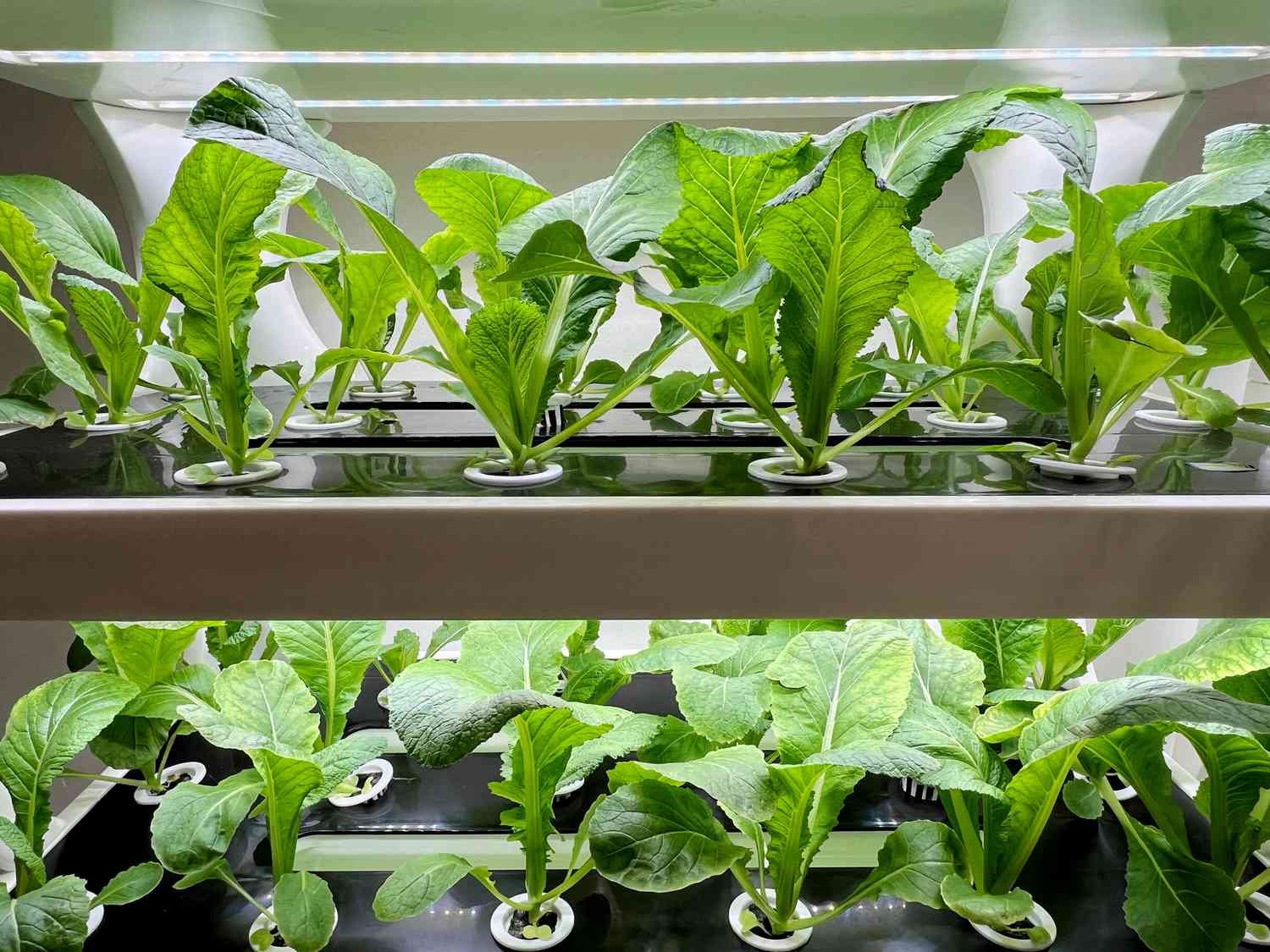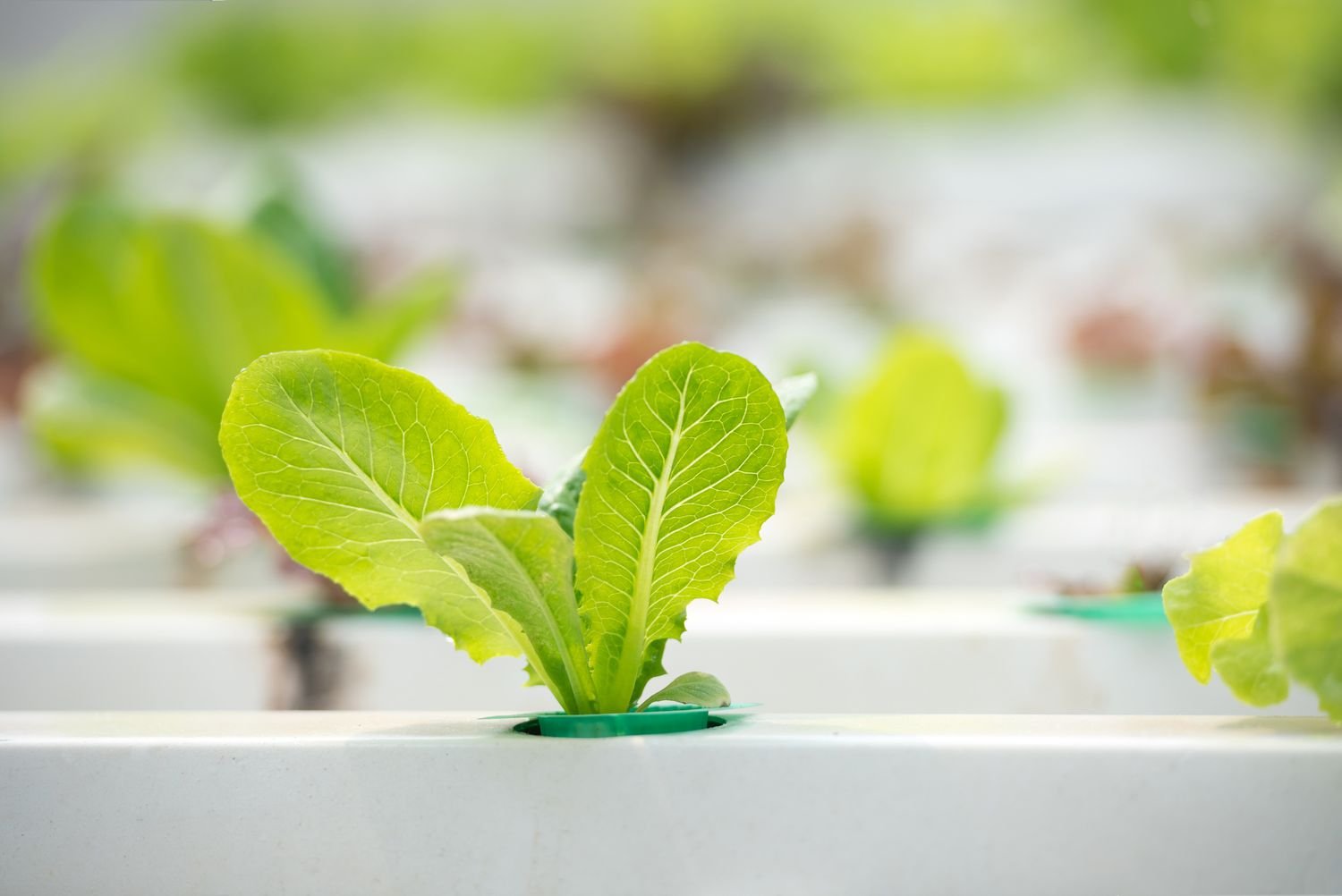
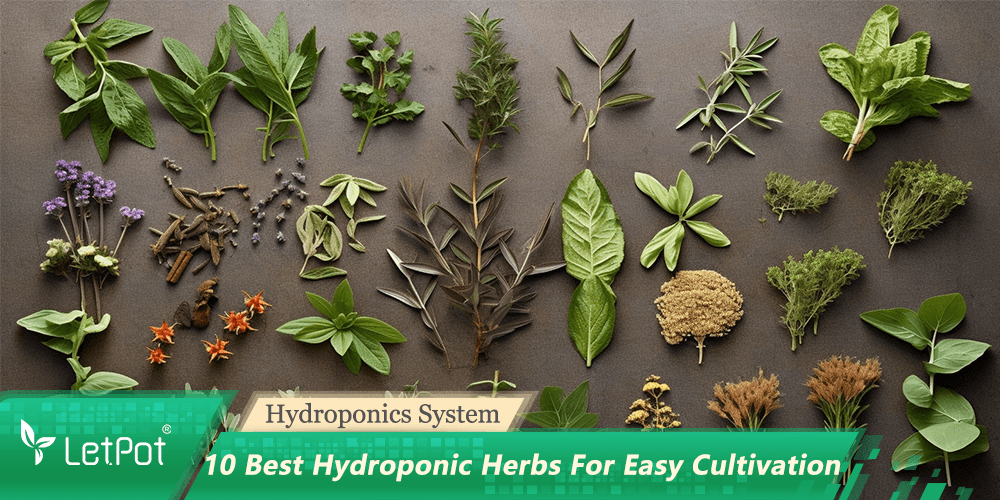
Hydroponics is a method of growing plants without soil. It uses water and nutrients to nourish plants.
Gardening enthusiasts are increasingly turning to hydroponics for growing herbs. Why? It saves space, conserves water, and often produces healthier plants. Whether you’re a beginner or a seasoned gardener, hydroponics can offer a rewarding experience. Herbs, in particular, thrive in hydroponic systems.
They grow faster and often have more flavor. But which herbs are best suited for this method? This guide will explore the top herbs for hydroponic gardening. We’ll look at their benefits and tips for growing them successfully. Get ready to transform your indoor garden with the best herbs for hydroponics!
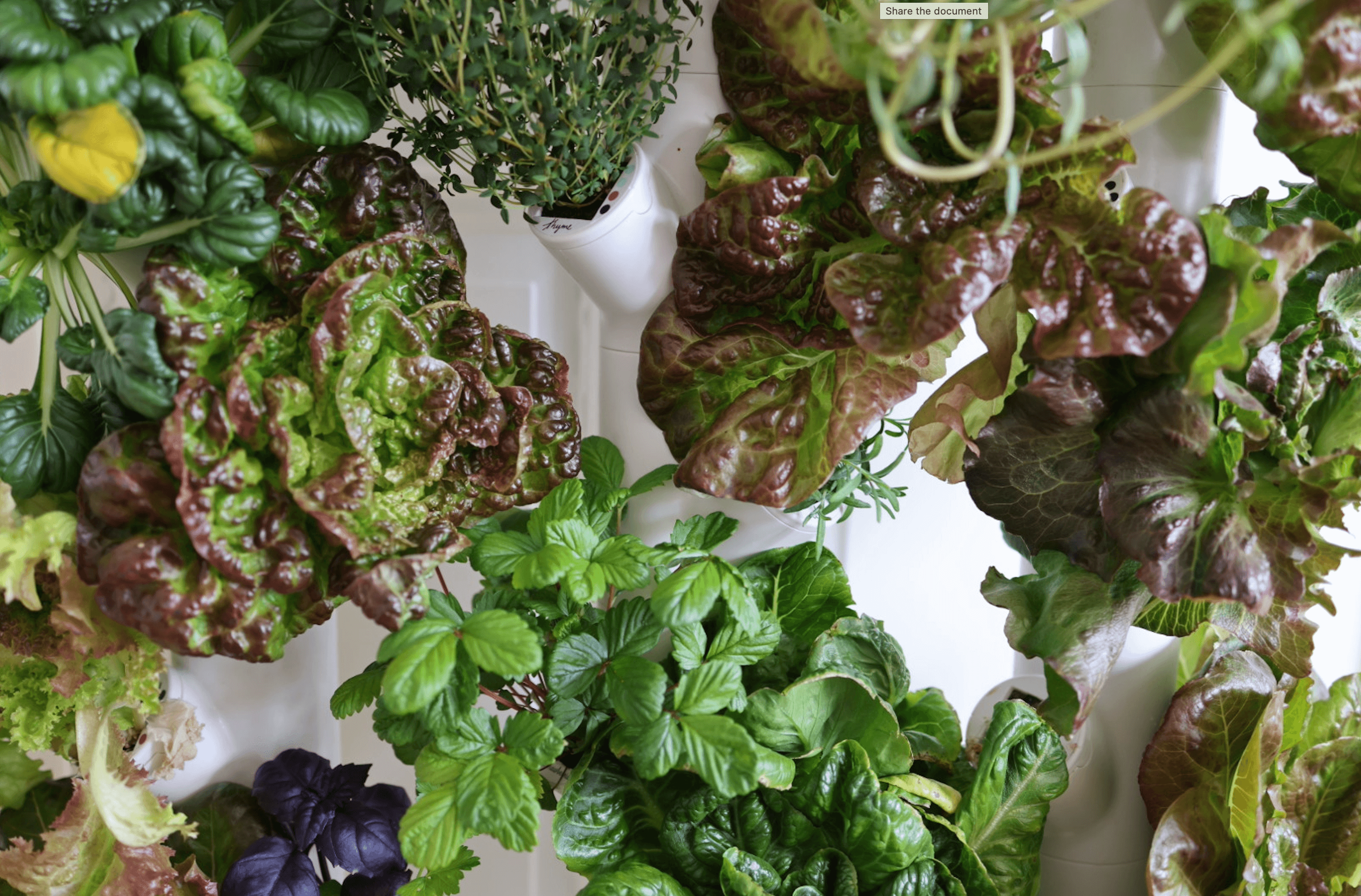
Credit: foodgardening.mequoda.com
Introduction To Hydroponic Gardening
Herbs like basil, mint, and cilantro thrive in hydroponic systems. These herbs grow well without soil, needing only water and nutrients. Hydroponic gardening offers a great way to cultivate fresh, flavorful herbs year-round.
Hydroponic gardening uses water instead of soil to grow plants. This method is becoming popular due to its efficiency and space-saving benefits. Growing herbs hydroponically can be a rewarding experience. You can grow fresh herbs year-round, even in small spaces.
Benefits Of Hydroponics
Hydroponics allows for faster plant growth. Plants get nutrients directly through water. This method uses less water than traditional gardening. It also reduces the risk of soil-borne diseases. You can grow plants indoors, making it ideal for urban settings.
Essentials For Hydroponic Systems
To start hydroponic gardening, you need a few essentials. First, a container or reservoir to hold water. You’ll also need a growing medium like perlite or clay pellets. A nutrient solution is crucial for plant growth. Lighting is important, especially if you’re growing indoors. Lastly, ensure proper ventilation to keep the system healthy.
“`
Credit: blog.1000bulbs.com
Top Herbs For Hydroponics
Hydroponics allows you to grow herbs without soil. It’s an efficient way to cultivate a variety of herbs at home. Certain herbs thrive better than others in hydroponic systems. Here, we’ll explore the top herbs for hydroponics.
Basil
Basil grows well in hydroponic systems. It needs a lot of light. Ensure it gets at least 12 hours of light daily. Basil loves warmth. Keep the temperature between 70-80°F. The herb also needs good airflow. This helps prevent mold. Basil is perfect for hydroponics due to its fast growth. It can be harvested multiple times.
Mint
Mint is another great choice for hydroponics. It spreads quickly. Mint prefers cooler temperatures. Keep it around 65-70°F. It doesn’t need as much light as basil. Six hours of light daily is enough. Mint is hardy. It can tolerate less ideal conditions. Regular pruning keeps mint healthy. It also prevents it from taking over your system.
Growing Basil Hydroponically
Growing basil hydroponically is a great way to enjoy fresh herbs year-round. Basil thrives in a hydroponic system and is relatively easy to care for, making it ideal for both beginners and seasoned gardeners. With the right conditions and care, hydroponic basil can produce lush, aromatic leaves that enhance your culinary creations.
Ideal Conditions
Basil needs warm temperatures, around 70-80°F. Ensure the water temperature stays between 65-75°F. Maintain a pH level of 5.5-6.5 for optimal growth. Provide 14-16 hours of light daily using LED or fluorescent lights. Basil thrives with nutrient-rich solutions, so use a balanced hydroponic nutrient mix. Good air circulation helps prevent mold and pests.
Care Tips
Prune basil regularly to encourage bushy growth. Cut just above a leaf pair to promote new shoots. Check the water level daily and replenish it as needed. Monitor the pH and nutrient levels weekly. Avoid overcrowding plants to ensure each one gets enough light and air. Watch out for pests like aphids and whiteflies, and treat them promptly. Harvest leaves when they are large enough, but never take more than one-third of the plant at once.
Cultivating Mint In Hydroponics
Mint is a popular choice for hydroponic gardening. It is easy to grow and highly aromatic. Hydroponic systems provide the perfect environment for mint. These systems help mint plants thrive without soil. In this section, we will explore the best practices for growing mint in hydroponics.
Optimal Environment
Mint requires a specific environment to grow well. Keep the temperature between 65°F and 70°F. Ensure the pH level is around 6.0 to 7.0. Mint plants need around 14-16 hours of light each day. Use LED grow lights for the best results. Ensure proper air circulation to prevent mold and mildew.
Maintenance Techniques
Regular maintenance is key for healthy mint plants. Prune the mint regularly to promote bushy growth. Remove any yellow or dead leaves. Keep an eye on the water level in your hydroponic system. Refill the water as needed. Use a balanced nutrient solution for mint. Follow the manufacturer’s instructions for the correct dosage.
Check the roots for signs of disease. Healthy roots are white and firm. Trim any brown or slimy roots. This will prevent diseases from spreading. Change the nutrient solution every two weeks. Clean the hydroponic system to avoid algae build-up.
| Factor | Optimal Range |
|---|---|
| Temperature | 65°F – 70°F |
| pH Level | 6.0 – 7.0 |
| Light Duration | 14 – 16 hours/day |
| Nutrient Change | Every 2 weeks |
Follow these tips to grow healthy mint in hydroponics. With the right care, your mint plants will flourish.
Other Popular Hydroponic Herbs
Hydroponic gardening is a fantastic way to grow herbs year-round. Apart from the usual basil and mint, there are other popular hydroponic herbs worth considering. These herbs not only add flavor to dishes but also thrive in water-based systems. Let’s dive into some of these herbs.
Cilantro
Cilantro is a favorite in many cuisines. It’s perfect for hydroponic systems. This herb loves a lot of light and slightly cool temperatures. Cilantro grows fast, so you can harvest leaves within a few weeks. It’s ideal for salsas and garnishes.
Here’s what you need for growing cilantro:
- High light conditions
- pH level between 6.5 and 7.5
- Regular nutrient solution
Thyme
Thyme is a resilient herb. It grows well in hydroponic setups. This herb prefers dry conditions and moderate light. Thyme’s small leaves pack a punch of flavor. It’s commonly used in soups, stews, and roasted meats.
Growing thyme successfully requires:
- Moderate light
- pH level between 5.5 and 7.0
- Less frequent watering
Both cilantro and thyme are excellent choices for your hydroponic garden. They are easy to manage and add diversity to your culinary creations.
Hydroponic System Types For Herbs
Growing herbs hydroponically is a smart choice for many reasons. It allows for faster growth, uses less water, and can be done indoors. But, picking the right hydroponic system is crucial. Different systems suit different herbs better. Let’s explore the best hydroponic system types for herbs.
Nutrient Film Technique
The Nutrient Film Technique, or NFT, is great for herbs. In this system, a thin film of nutrient-rich water flows over the roots. The roots get plenty of oxygen and nutrients. This setup is simple and efficient. It’s perfect for herbs like basil, mint, and thyme. The continuous flow of water keeps the plants happy. It also prevents root rot.
Deep Water Culture
Deep Water Culture, or DWC, is another excellent choice. In DWC, the plant roots are submerged in a nutrient solution. An air pump provides oxygen to the roots. This method is very effective for herbs. It’s especially good for larger herbs like parsley and cilantro. The constant nutrient supply boosts growth. It’s easy to set up and maintain.
Nutrient Solutions For Herbs
Growing herbs hydroponically offers many benefits. One of the most critical factors is providing the right nutrient solution. This ensures that the herbs receive all the essential nutrients they need for healthy growth. A well-balanced nutrient solution can make a significant difference in the quality and yield of your hydroponic herbs.
Essential Nutrients
Herbs require specific nutrients to thrive. These include macronutrients such as nitrogen, phosphorus, and potassium. Nitrogen helps in leaf growth, phosphorus supports root development, and potassium improves overall plant health. In addition to macronutrients, herbs need micronutrients like calcium, magnesium, and iron. These trace elements play a vital role in various plant functions and should not be overlooked.
Mixing And Monitoring
Creating the perfect nutrient mix requires careful attention. Start with a base nutrient solution designed for hydroponics. Follow the manufacturer’s instructions to ensure the correct proportions. It’s essential to monitor the pH and electrical conductivity (EC) of your nutrient solution. The ideal pH range for most herbs is between 5.5 and 6.5. Regularly check the EC levels to ensure your plants are getting the right amount of nutrients.
Maintaining a consistent nutrient solution is key. Change the solution every two to three weeks. This helps prevent nutrient imbalances and ensures your herbs stay healthy. Regular monitoring and adjustments will lead to a successful hydroponic herb garden.
Pest And Disease Management
Managing pests and diseases is crucial for maintaining healthy hydroponic herbs. Even in a controlled environment, plants can be vulnerable to issues. Proper management ensures your herbs stay vibrant and productive.
Common Issues
Even the best hydroponic systems can face pest and disease problems. Here are some common issues:
- Aphids: These small insects suck plant sap, weakening the herbs.
- Powdery Mildew: This fungal disease appears as white powder on leaves.
- Root Rot: Caused by overwatering, it leads to wilting and yellowing.
Preventive Measures
Preventing pests and diseases is easier than treating them. Follow these measures:
- Maintain Cleanliness: Keep the growing area clean to reduce pest attraction.
- Proper Ventilation: Ensure good airflow to prevent fungal growth.
- Regular Inspection: Check plants frequently for early signs of issues.
Implementing these steps will help you manage pests and diseases effectively, ensuring your hydroponic herbs thrive.
Harvesting And Storage
Harvesting and storing your hydroponic herbs properly ensures their best flavor and longevity. Knowing the right techniques for harvesting and methods for storage can help you enjoy your herbs longer. Let’s explore the key steps to harvest and store herbs from your hydroponic garden.
Harvesting Techniques
Use clean, sharp scissors or pruning shears to harvest herbs. Cut just above a leaf node or set of leaves. This encourages new growth. Harvest in the morning for the best flavor. Avoid harvesting more than one-third of the plant at a time. This keeps the plant healthy and productive.
Proper Storage Methods
Dry herbs by hanging them upside down in a dark, dry place. Once dried, store them in airtight containers. Keep these containers away from sunlight and heat. For fresh herbs, wrap them in a damp paper towel. Place the wrapped herbs in a plastic bag and store them in the refrigerator.
Conclusion
Hydroponics is perfect for growing herbs indoors. Basil, mint, and cilantro thrive well. They need minimal space and maintenance. Fresh herbs can boost your meals. You get to enjoy gardening year-round. Hydroponics offers a sustainable method. Grow your favorite herbs with ease.
Experiment with different varieties. Enjoy the benefits of fresh, homegrown herbs. Your hydroponic garden awaits! Happy growing!