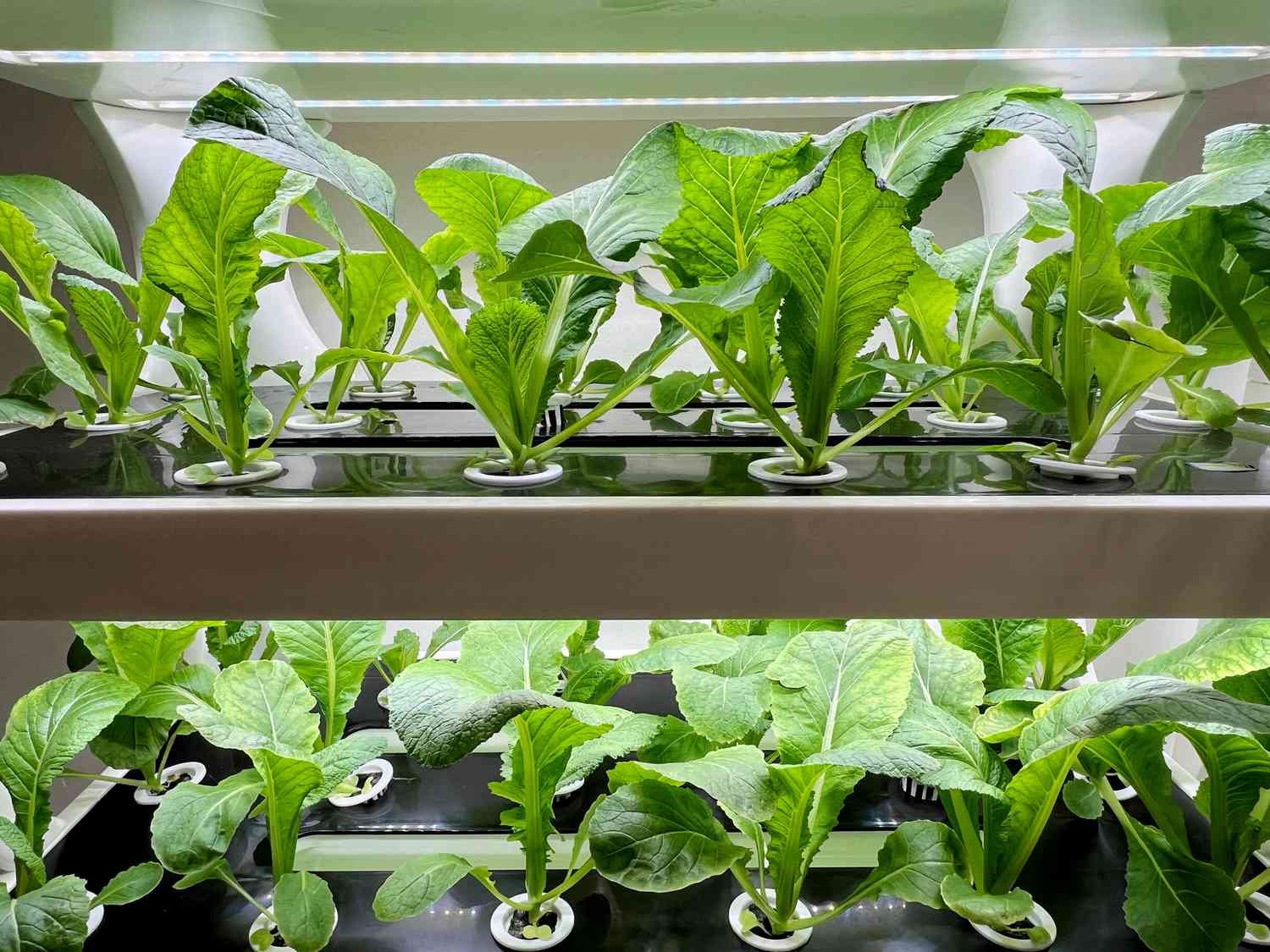

Some flowers thrive with little sunlight. They bring color to shady spots.
Gardening can be challenging when your yard or home lacks sunlight. Yet, many beautiful flowers grow well in low-light conditions. These flowers are perfect for adding charm to dim corners. Whether you have a shady garden or a room with minimal light, you can still enjoy vibrant blooms.
Understanding which flowers need less sunlight helps you choose the right plants. This guide will introduce you to flowers that flourish with limited sun, ensuring your garden or home stays colorful all year round. Let’s explore the best flowers for low-light areas, so you can start planning your shaded oasis today.

Credit: www.goodhousekeeping.com
Introduction To Low-light Flowers
Not all flowers need bright sunlight to thrive. Some flowers can grow well in low-light conditions. These flowers are perfect for shady spots in your home or garden. Understanding which flowers need little sunlight can help you make the most of every space.
Benefits Of Low-light Plants
Low-light plants come with several benefits. They can:
- Survive in shaded areas
- Improve indoor air quality
- Require less maintenance
These plants are ideal for offices or rooms with few windows. They can also reduce stress and create a calming environment.
Common Characteristics
Low-light flowers share common characteristics:
- Thick leaves: They often have thick, fleshy leaves that store water.
- Deep green color: Their leaves are usually a deep green, which helps them absorb the limited light available.
- Slow growth: They tend to grow more slowly than sun-loving plants.
These traits help them survive in less-than-ideal light conditions. Knowing these characteristics can help you identify low-light plants.
:max_bytes(150000):strip_icc()/ms-columbine-getty-35d26124d76d4c64a5cbdde9b28f0a65.jpg)
Credit: www.marthastewart.com
Best Flowers For Low-light Conditions
Finding flowers that thrive in low-light conditions can be challenging. Yet, some flowers need little sunlight to grow well indoors. These flowers bring beauty and life to your home, even in dim rooms. Below are some of the best flowers for low-light conditions.
Peace Lily
The peace lily is perfect for low-light areas. It has dark green leaves and delicate white flowers. This plant thrives in indirect sunlight and can even survive under fluorescent lights. Keep the soil moist, but not too wet. Peace lilies also help clean the air, making them a great indoor plant.
Begonia
Begonias are another excellent choice for low-light conditions. They come in various colors and patterns. These flowers grow well in shaded areas and do not need much direct sunlight. Water begonias when the top inch of soil feels dry. They can brighten up any dim corner with their vibrant blooms.
Indoor Vs. Outdoor Low-light Flowers
Indoor vs. outdoor low-light flowers can thrive with minimal sunlight. Choosing the right flowers for low-light areas can brighten up any space. In this section, we’ll explore some of the best options for both indoor and outdoor low-light flowers.
Indoor Options
Some flowers do well inside with little sunlight. The Peace Lily is a popular choice. It blooms with white flowers and needs minimal light. Another great option is the Snake Plant. It has tall, green leaves and can survive in low light.
The Spider Plant is also excellent for indoors. It has long, arching leaves and small white flowers. The ZZ Plant is another resilient indoor plant. Its waxy, dark green leaves thrive with little care and light.
Outdoor Options
Certain flowers can grow outside with limited sunlight. The Hostas plant is perfect for shady areas. It has large, green leaves and blooms with white or purple flowers. Astilbe is another great outdoor option. It has feathery, colorful blooms and prefers shade.
Impatiens are vibrant and do well in low light. They come in many colors and are easy to grow. Ferns are also suitable for outdoor shade. They have lush, green fronds and add texture to any garden.
These indoor and outdoor low-light flowers can brighten up any space with minimal sunlight. Choosing the right flowers can enhance your home and garden.
Care Tips For Low-light Flowers
Growing flowers in low-light conditions can be challenging. But, with the right care tips, you can enjoy beautiful blooms indoors or in shaded gardens. Here, we’ll provide essential care tips for low-light flowers. These tips include watering needs and soil requirements.
Watering Needs
Low-light flowers need less water than those in full sunlight. Overwatering can lead to root rot. To avoid this, follow these simple steps:
- Check the soil moisture before watering.
- Water only when the top inch of soil feels dry.
- Use a watering can with a narrow spout for precision.
- Ensure proper drainage to prevent waterlogging.
By following these steps, you can provide the right amount of water for your low-light flowers.
Soil Requirements
Choosing the right soil is crucial for the health of low-light flowers. Here are some key points to consider:
- Use well-draining soil to prevent root rot.
- Avoid heavy clay soils that retain too much water.
- Consider a mix of potting soil and perlite for better aeration.
- Ensure the soil pH is between 6.0 and 7.0 for most flowers.
Proper soil composition helps low-light flowers thrive in less-than-ideal light conditions.
Choosing The Right Location
Choosing the right location for flowers that need little sunlight is crucial. These plants thrive in low-light conditions, but they still require some light. Identifying the best spots at home and in the garden helps them grow healthy and strong.
Ideal Spots At Home
Certain areas in your home are perfect for low-light flowers. North-facing windows offer soft, indirect light. Hallways and bathrooms with small windows can also be ideal. These spots provide just enough light without direct sun exposure.
Corners of rooms with a lamp or artificial light can work too. Low-light plants like peace lilies and ferns thrive in these environments. Ensure the area is free from drafts and sudden temperature changes.
Garden Placement
In the garden, finding the right spot for low-light flowers is key. Plant them under trees or large shrubs. These spots provide shade and filtered light. Places near fences or walls that block direct sunlight also work well.
Choose areas with good soil drainage to avoid waterlogging. Shade-loving flowers like hostas and impatiens will flourish in these conditions. Regularly check the garden for any changes in light patterns.
Common Issues And Solutions
Flowers that need little sunlight can face various challenges. Knowing common issues and their solutions can help your plants thrive. Below, we will cover some of the most frequent problems and ways to address them.
Yellowing Leaves
Yellowing leaves can be a sign of several issues. It is important to diagnose the problem accurately to provide the right solution.
- Overwatering: Check if the soil is too wet. Reduce watering frequency and ensure proper drainage.
- Underwatering: Dry soil can cause yellow leaves. Water the plant thoroughly and regularly.
- Nutrient Deficiency: Lack of essential nutrients can lead to yellow leaves. Use a balanced fertilizer to nourish the plant.
Fungal Infections
Fungal infections can harm flowers, especially those that need little sunlight. Identifying and treating fungal issues early is key.
| Symptom | Solution |
|---|---|
| White spots on leaves | Apply a fungicide and improve air circulation |
| Black or brown leaf spots | Remove affected leaves and avoid overhead watering |
| Powdery mildew | Use a baking soda solution and increase light exposure |
Keeping the plant environment clean and dry can prevent fungal growth. Regularly inspect your plants for early signs of infection.
Companion Plants For Low-light Flowers
Many people assume that flowers need lots of sunlight to thrive. But some flowers can flourish in low-light conditions. This is great news for those with shady gardens or dimly lit homes. Pairing these low-light flowers with compatible plants can create a vibrant and healthy environment. Let’s explore the best companion plants for low-light flowers.
Compatible Indoor Plants
Indoor spaces often have limited sunlight, making it a challenge for many plants. Here are some great companions for low-light flowers indoors:
- Spider Plant: Thrives in low light and purifies the air.
- Pothos: Known for its hardiness and tolerance to low light.
- Peace Lily: Adds elegance and can bloom in dim light.
- Philodendron: Adaptable to various light conditions.
These plants can coexist with low-light flowers like Begonias, African Violets, and Peace Lilies. They enhance the indoor environment while requiring minimal light.
Outdoor Plant Pairings
Shady gardens can be a haven for certain plant combinations. Consider these pairings for your outdoor space:
| Low-Light Flower | Companion Plant |
|---|---|
| Hostas | Ferns |
| Impatiens | Astilbe |
| Bleeding Hearts | Heuchera |
| Toad Lily | Japanese Painted Fern |
These pairings can create a lush, vibrant garden even in shaded areas. They complement each other and thrive with minimal sunlight.

Credit: www.reddit.com
Seasonal Care For Low-light Flowers
Low-light flowers are perfect for those shady corners of your garden or home. They don’t need much sunlight to thrive. But, they do require some specific seasonal care to stay healthy and beautiful all year round.
Winter Care
Winter can be tough on low-light flowers. The cold and low light levels can be stressful for them. Here are some tips to help your flowers thrive during the winter months:
- Reduce Watering: Water your flowers less often. They need less water in winter.
- Maintain Humidity: Use a humidifier or place a tray of water near your plants. This helps keep the air moist.
- Keep Warm: Ensure your flowers are in a warm area. Avoid placing them near cold drafts or windows.
- Light: Place your flowers near a window with indirect light. If needed, use a grow light.
Summer Tips
Summer brings more light and higher temperatures. Low-light flowers still need care to ensure they don’t get too much sun or heat. Follow these tips for summer care:
- Water More Often: Increase watering frequency. The heat can dry out the soil quickly.
- Shade: Keep your flowers in a shaded area. Direct sunlight can harm them.
- Ventilation: Ensure good air circulation. This prevents mold and keeps your flowers healthy.
- Fertilize: Use a balanced fertilizer. This helps your flowers get the nutrients they need.
Conclusion
Shade-loving flowers bring beauty to low-light spaces. These plants thrive with minimal sunlight. Ideal for shaded gardens or indoor areas. They require little care and offer vibrant colors. Perfect for beginners or busy gardeners. Choose flowers like ferns, begonias, or hostas.
Enjoy their beauty without the need for direct sunlight. Brighten your home or garden easily. Embrace these wonderful, low-light flowers. Happy gardening!